How to Say "root" in Spanish
The most common Spanish word for “root” is “raíz” — use 'raíz' when referring to the underground part of a plant or the fundamental origin/source of a problem, word, or culture.
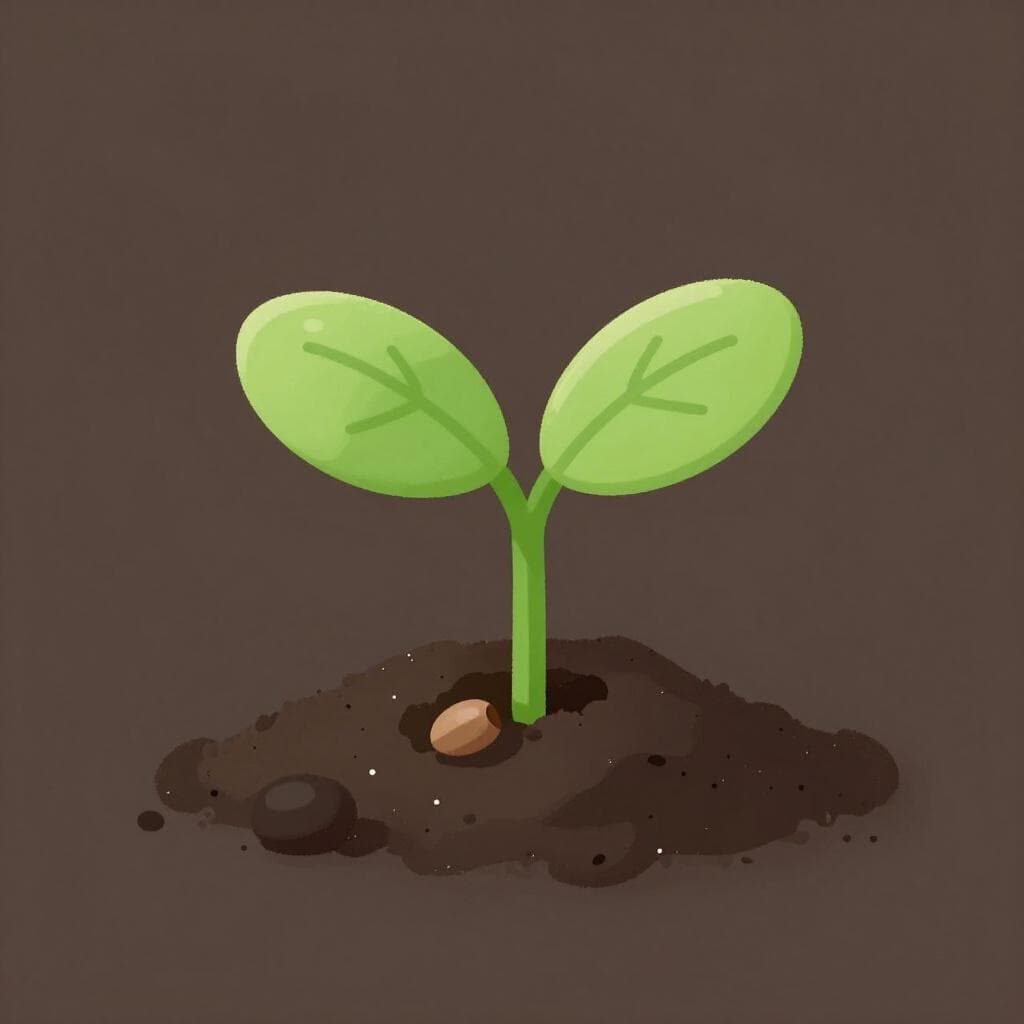
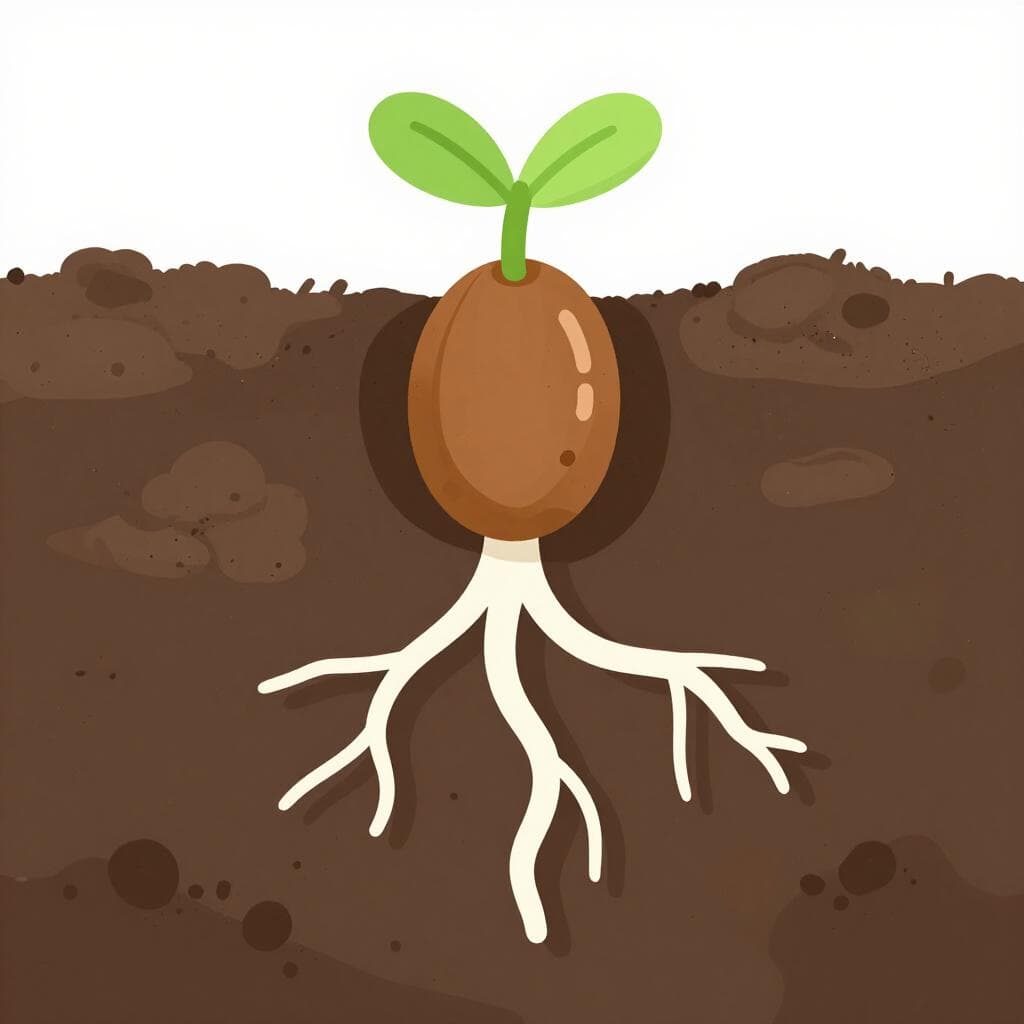
raíz
Examples
Las raíces del árbol son muy profundas.
The roots of the tree are very deep.
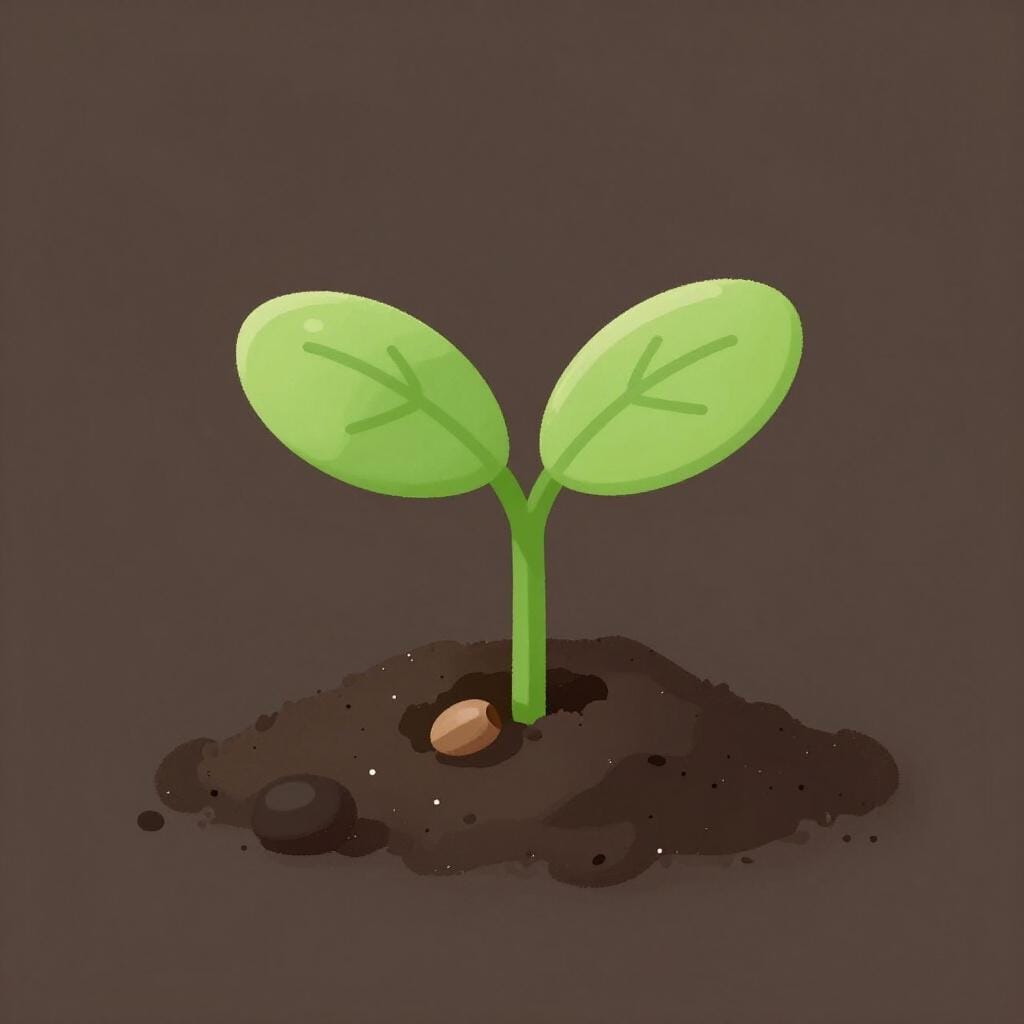
germen
HER-menˈxeɾmen
Examples
Ese pequeño desacuerdo fue el germen de su gran pelea.
That small disagreement was the seed of their big fight.
Aquí vemos el germen de una nueva teoría científica.
Here we see the seed of a new scientific theory.
El libro contiene el germen de sus ideas políticas.
The book contains the seed of his political ideas.
Using 'Germen' for abstract things
Just like in English we say 'the seed of an idea,' in Spanish, you use 'germen' to talk about how a complex situation started from something small.
Confusing with 'Semilla'
Mistake: “Using 'semilla' for abstract origins in a formal speech.”
Correction: While 'semilla' works, 'germen' sounds more sophisticated and precise when talking about the very first 'spark' or 'origin' of an idea.
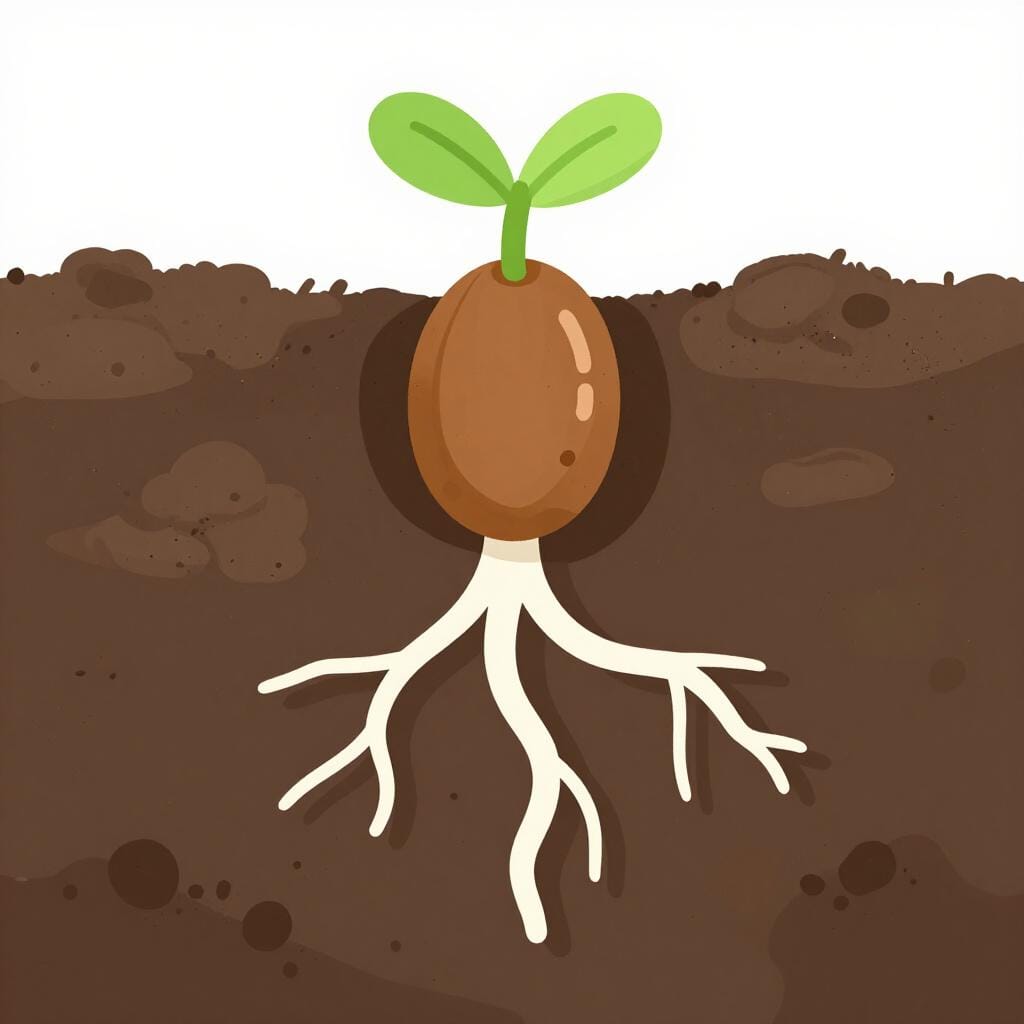
radical
rah-dee-KAHLraðiˈkal
Examples
En matemáticas, el signo de la raíz se llama radical.
In mathematics, the root sign is called a radical.
Para conjugar el verbo, primero identifica el radical.
To conjugate the verb, first identify the root.
The 'Root' of the Matter
In language learning, the 'radical' is the part of the word that stays the same while the endings change.
Raíz vs. Germen
Learn Spanish with Inklingo
Interactive stories, personalized learning, and more.