How to Say "seed" in Spanish
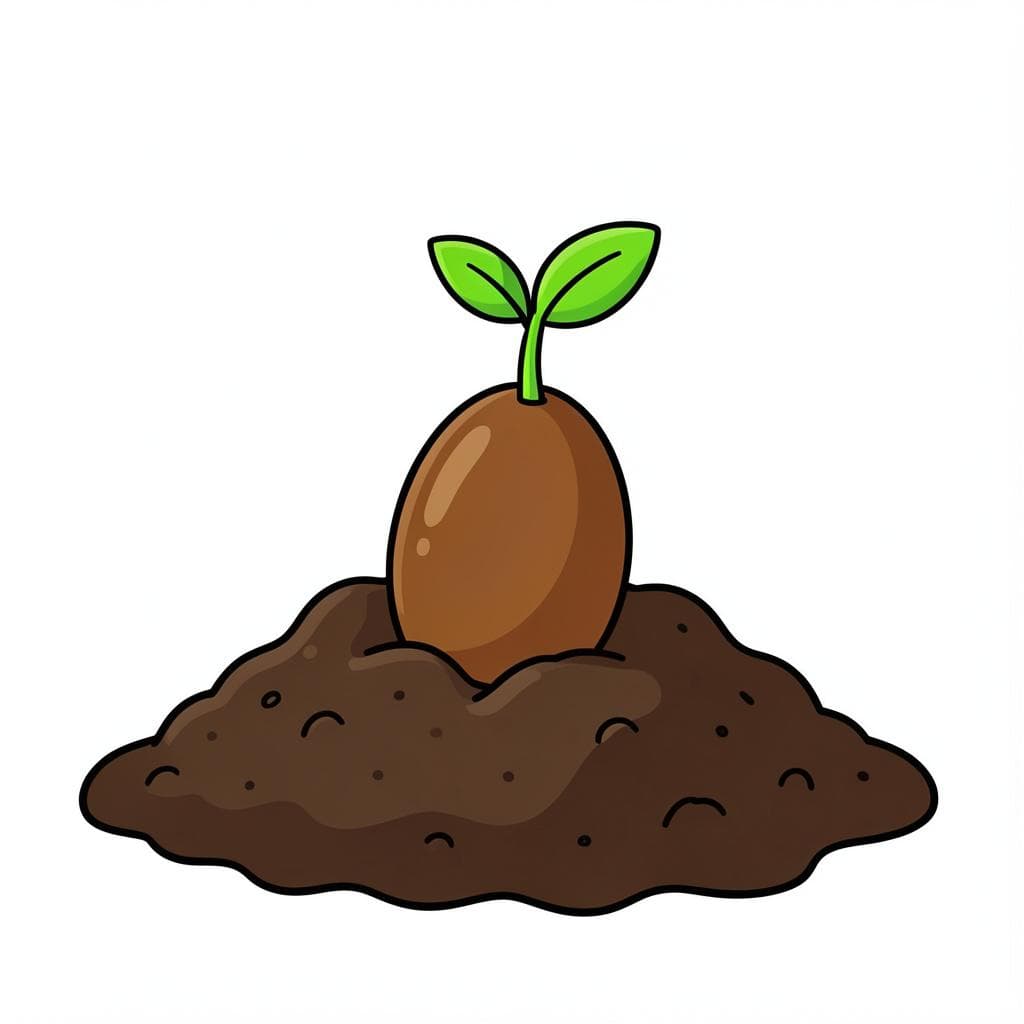
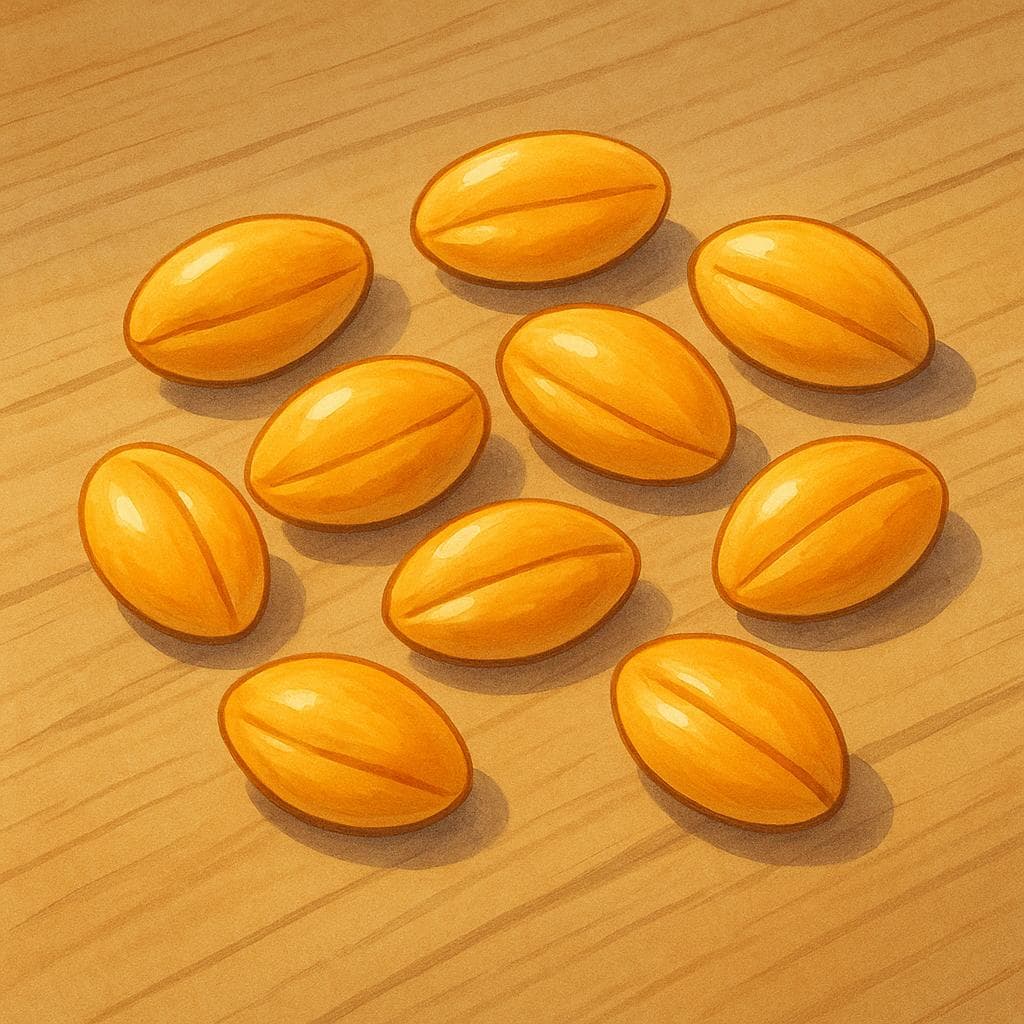
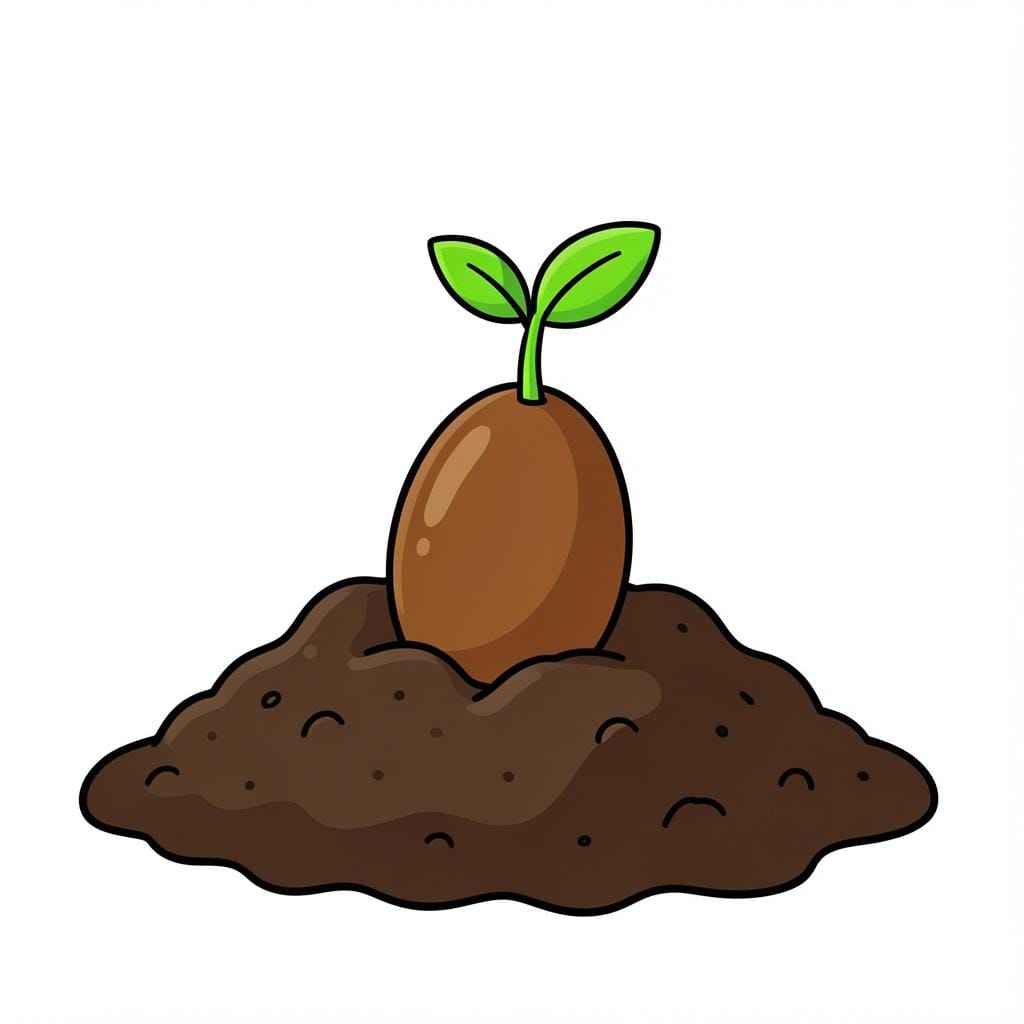
The most common Spanish word for “seed” is “semilla” — use 'semilla' for the botanical part of a plant from which a new plant grows, or metaphorically for the origin of an idea or feeling.

semilla
seh-MEE-yahseˈmiʝa
Examples
Planta la semilla en primavera para obtener flores.
Plant the seed in spring to get flowers.
Necesitas plantar la semilla en tierra húmeda.
You need to plant the seed in moist soil.
Esta sandía no tiene semillas.
This watermelon doesn't have seeds.
Las semillas de chía son muy saludables.
Chia seeds are very healthy.
Always Feminine
Even if you are talking about a masculine plant like 'el manzano' (the apple tree), the word 'semilla' stays feminine. Use 'la' and 'una' with it.
Figurative Use
Just like in English, you can use 'semilla' to talk about the start of a project, a conflict, or a love story.
Seed vs. Pip
Mistake: “Using 'hueso' for tiny seeds.”
Correction: Use 'hueso' (bone) for large pits like avocados or peaches, but 'semilla' or 'pepita' for small ones like apples or lemons.
grano
GRAH-nohˈɡɾano
Examples
El molino muele el grano de café para hacer el polvo.
The mill grinds the coffee bean to make the powder.
El agricultor cosechó mucho grano este año.
The farmer harvested a lot of grain this year.
Quiero un café hecho con granos enteros.
I want a coffee made with whole beans.
Solo queda un grano de arena en el reloj.
There is only one grain of sand left in the clock.
Always Masculine
Even though it refers to small, countable items like seeds, 'grano' is always a masculine noun ('el grano').
pipa
pee-pahˈpipa
Examples
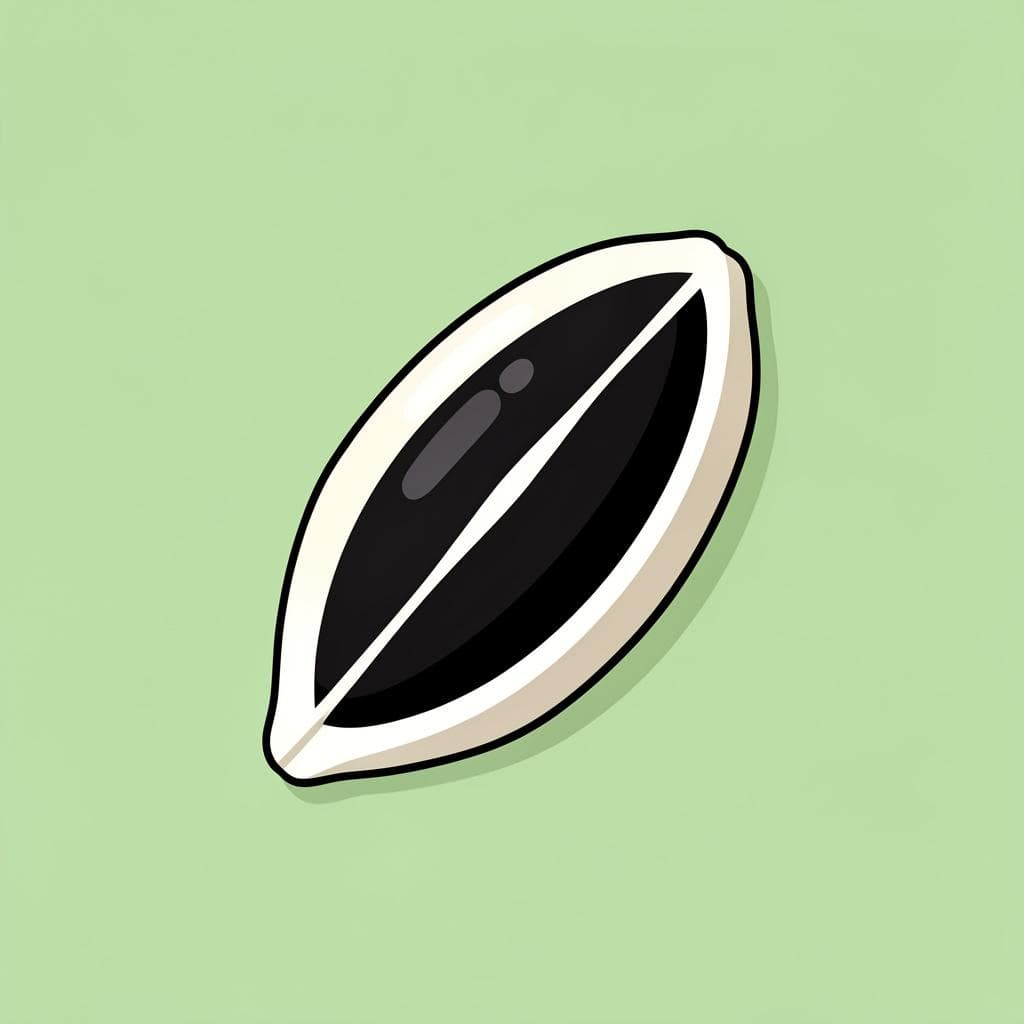
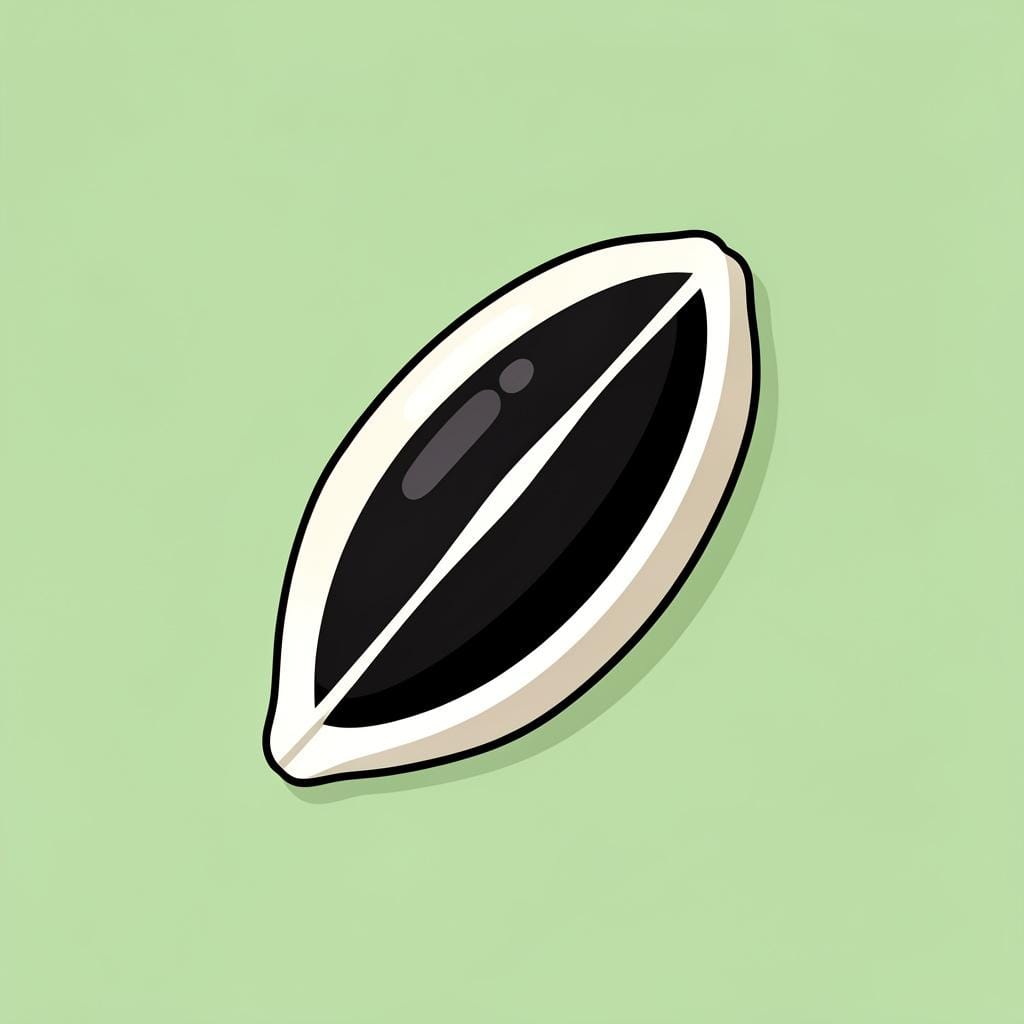
Me encantan las pipas de girasol tostadas.
I love toasted sunflower seeds.
Compramos una bolsa de pipas para ver el partido de fútbol.
We bought a bag of sunflower seeds to watch the soccer game.
¿Quieres pipas?
Do you want some sunflower seeds?
Pipas vs. Pepitas
Mistake: “Using 'pipas' for seeds inside a fruit.”
Correction: Use 'pipas' for snacks you crack open (sunflower/pumpkin) and 'pepitas' or 'semillas' for seeds inside a watermelon or apple.
germen
HER-menˈxeɾmen

Examples
La falta de comunicación fue el germen del conflicto.
The lack of communication was the seed of the conflict.
El germen de trigo es una gran fuente de vitaminas.
Wheat germ is a great source of vitamins.
Ese desinfectante mata cualquier germen en las manos.
That disinfectant kills any germ on your hands.
El biólogo analizó el germen de la planta bajo el microscopio.
The biologist analyzed the plant's embryo under the microscope.
Gender and Endings
Even though many nouns ending in 'n' are feminine (like 'canción'), 'germen' is masculine. Always use 'el' or 'un' with it.
The Plural Accent Change
When you make 'germen' plural, it becomes 'gérmenes'. You must add an accent mark on the first 'e' to keep the stress on the correct syllable.
Using 'Germen' for abstract things
Just like in English we say 'the seed of an idea,' in Spanish, you use 'germen' to talk about how a complex situation started from something small.
Mistaking it only for 'bacteria'
Mistake: “Saying 'germen' when you specifically mean a dirty bacteria.”
Correction: Remember that 'germen' also refers to the healthy part of a grain or seed, like 'germen de trigo'.
Confusing with 'Semilla'
Mistake: “Using 'semilla' for abstract origins in a formal speech.”
Correction: While 'semilla' works, 'germen' sounds more sophisticated and precise when talking about the very first 'spark' or 'origin' of an idea.
embrión
em-bree-OHNemˈbɾjon

Examples
La idea aún está en estado de embrión.
The idea is still in its embryonic stage.
Este pequeño boceto fue el embrión de su obra maestra.
This small sketch was the beginning of his masterpiece.
La reunión de ayer fue el embrión de una gran alianza.
Yesterday's meeting was the seed of a great alliance.
El proyecto está todavía en estado de embrión.
The project is still in its early stages.
Using 'el' as the starting point
When using the figurative sense, we almost always use the masculine article 'el' because we are talking about 'the' specific origin of something.
Confusing with 'comienzo'
Mistake: “El embrión de la película empezó a las ocho.”
Correction: El comienzo de la película empezó a las ocho. Use 'embrión' for the *origin* or *concept* of the movie, not the time it starts.
Literal vs. Figurative 'Seed'
Related Translations
Learn Spanish with Inklingo
Interactive stories, personalized learning, and more.