How to Say "grain" in Spanish
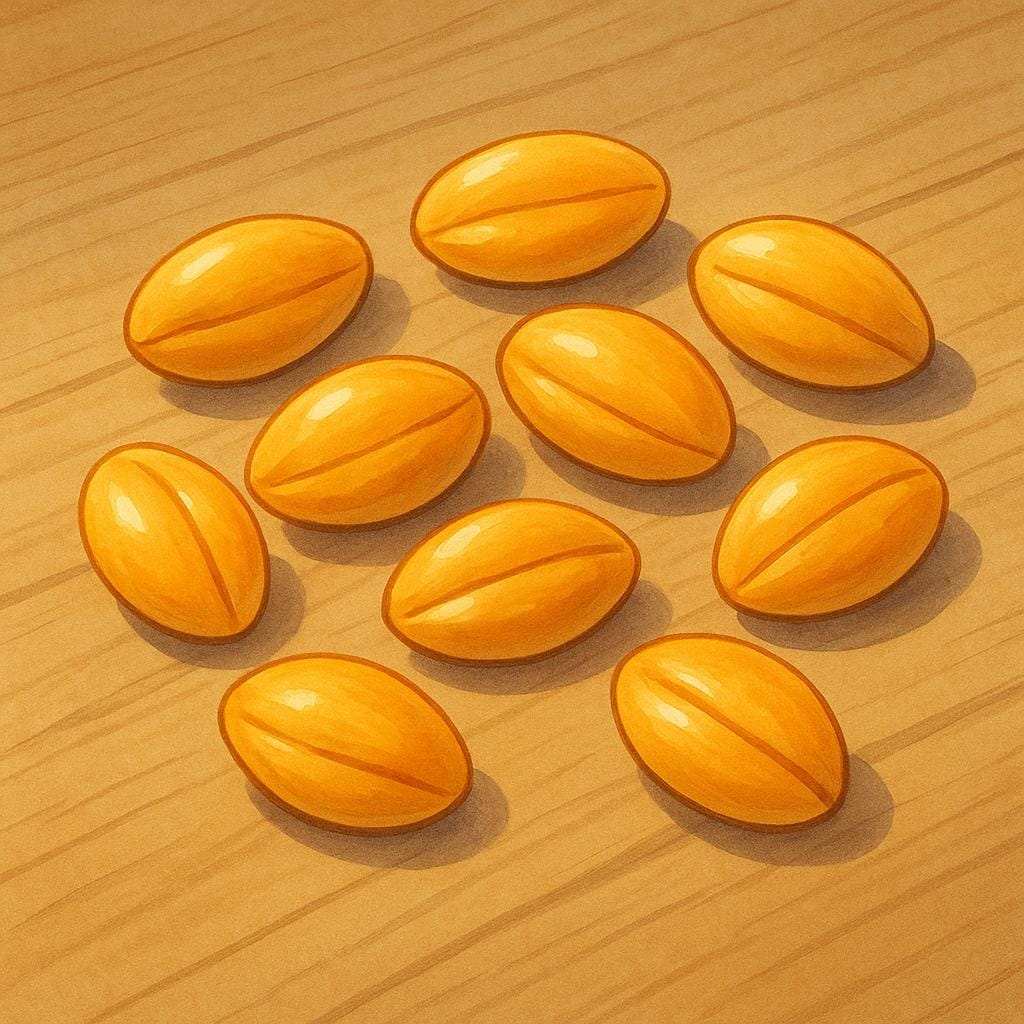
The most common Spanish word for “grain” is “grano” — use 'grano' when referring to harvested agricultural products in general, such as wheat, rice, or corn, before they are processed into food.
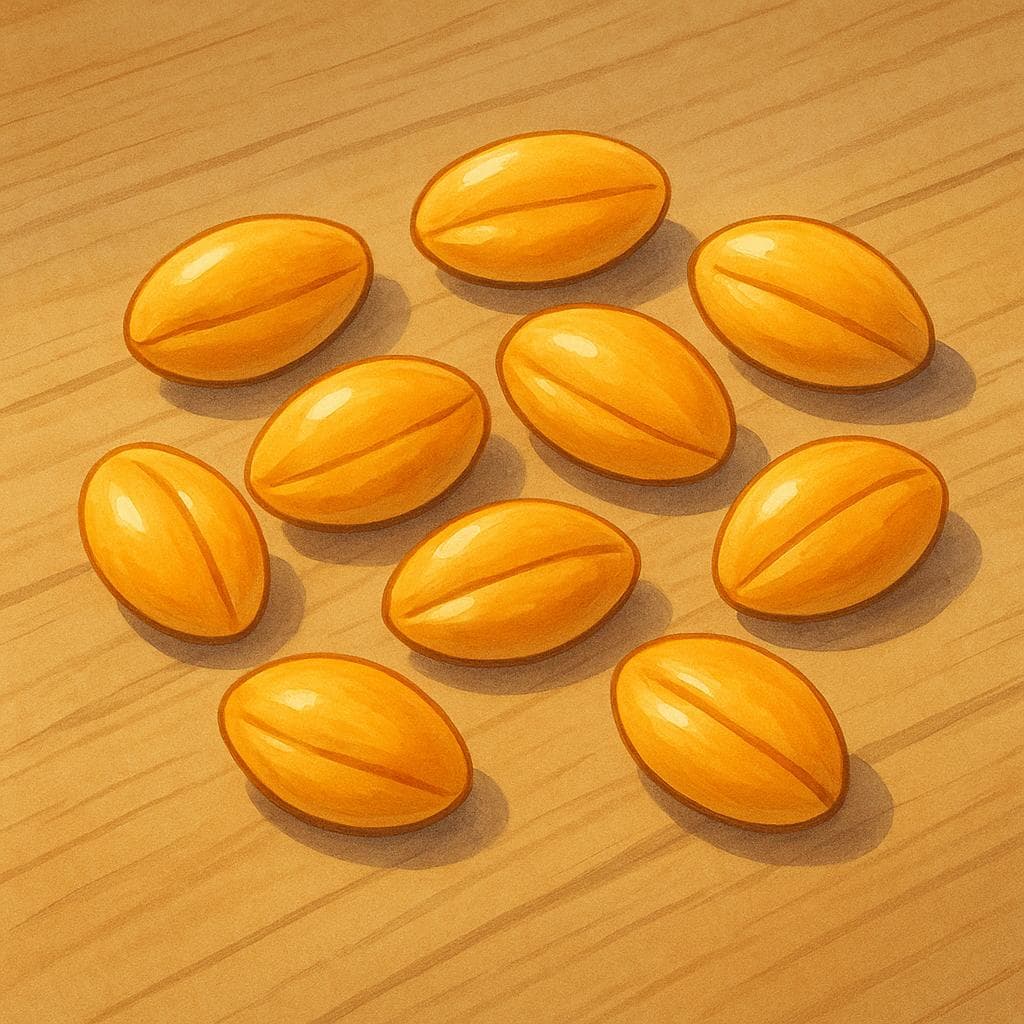
grano
GRAH-nohˈɡɾano
Examples
El agricultor cosechó mucho grano este año.
The farmer harvested a lot of grain this year.
Quiero un café hecho con granos enteros.
I want a coffee made with whole beans.
Solo queda un grano de arena en el reloj.
There is only one grain of sand left in the clock.
Always Masculine
Even though it refers to small, countable items like seeds, 'grano' is always a masculine noun ('el grano').
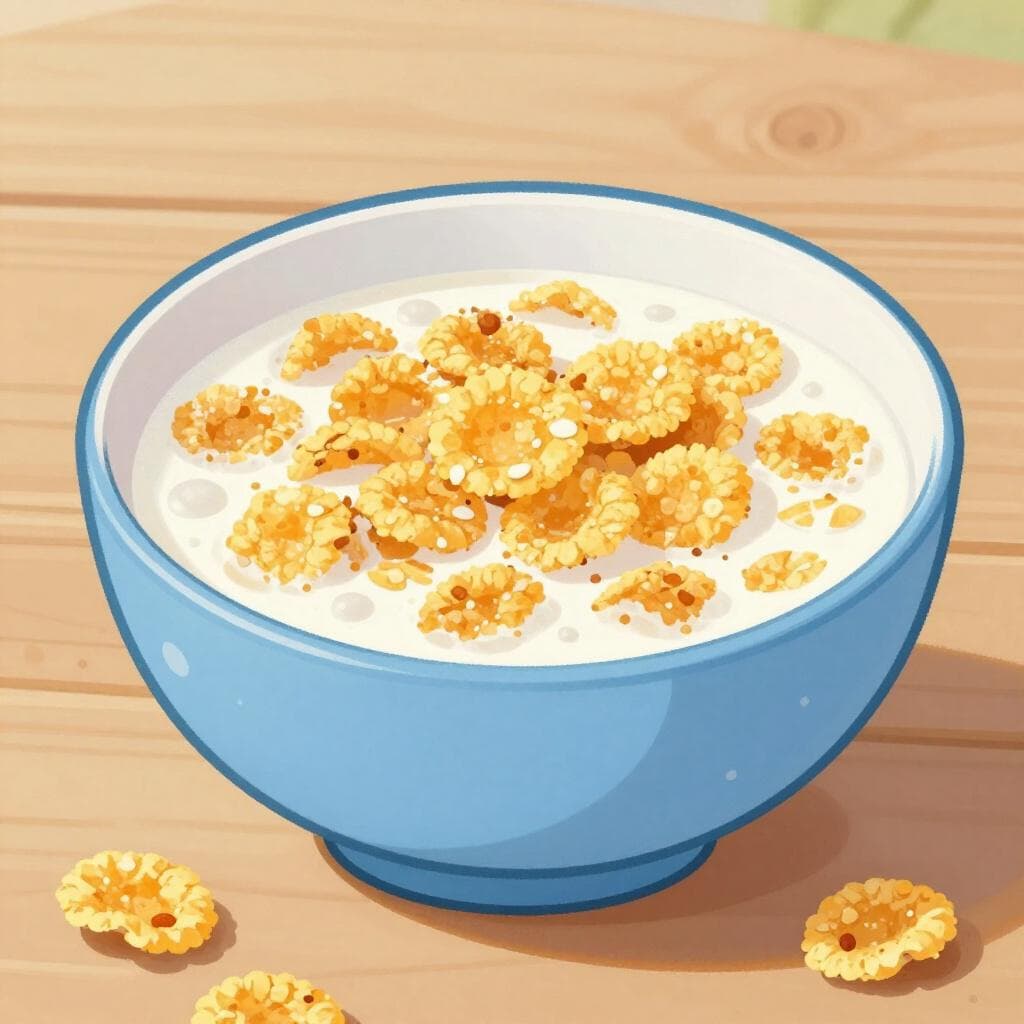
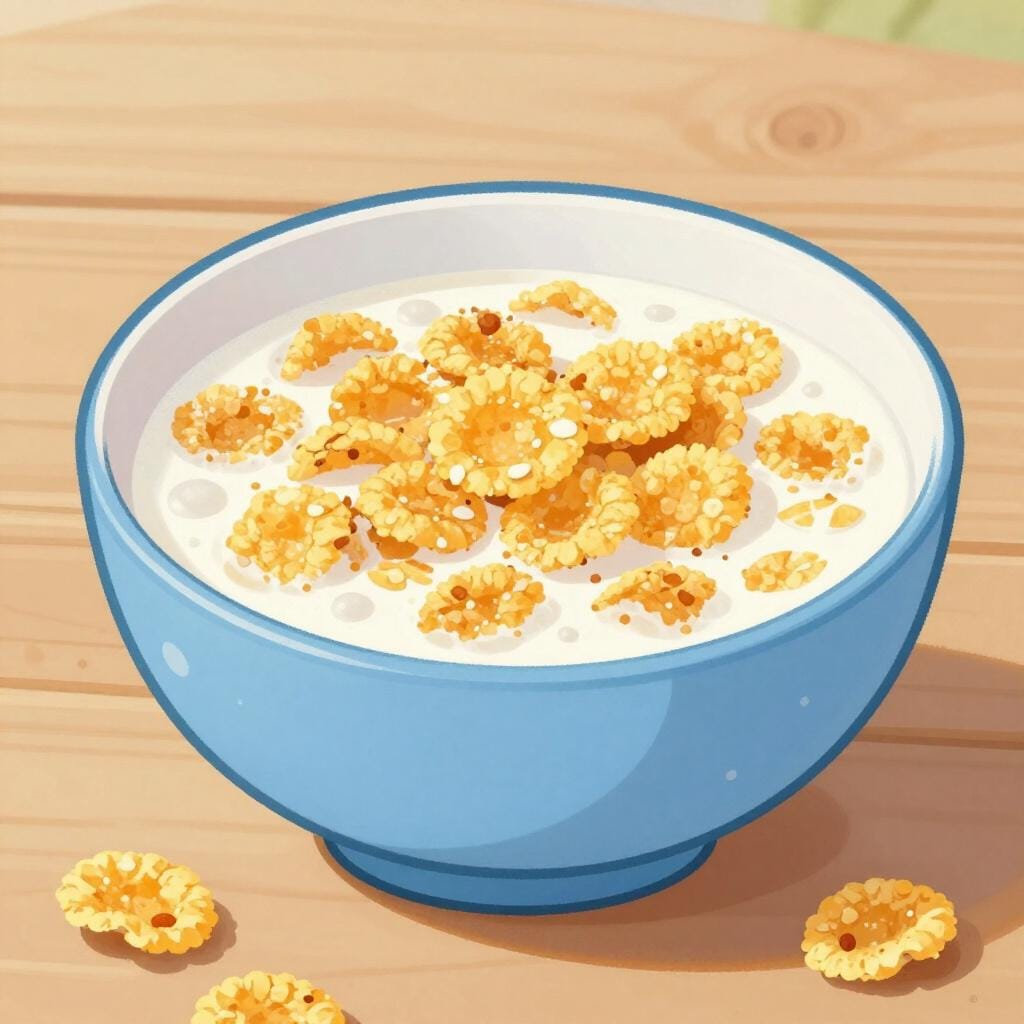
cereal
seh-reh-ahlseɾeˈal
Examples
Prefiero comer cereal con leche fría por la mañana.
I prefer to eat cereal with cold milk in the morning.
¿Quieres un tazón de cereales?
Do you want a bowl of cereal?
El trigo es el cereal más importante de esta región.
Wheat is the most important grain in this region.
Gender Identification
This word is masculine. Even though it ends in 'l', you should always use 'el' or 'un' with it: 'el cereal'.
Making it Plural
To talk about more than one, add '-es' to the end: 'los cereales'. In Spanish, people often use the plural 'cereales' even when talking about a single bowl of breakfast food.
The 'La' Trap
Mistake: “Me gusta la cereal.”
Correction: Me gusta el cereal. (The word is masculine, so it needs a masculine article).
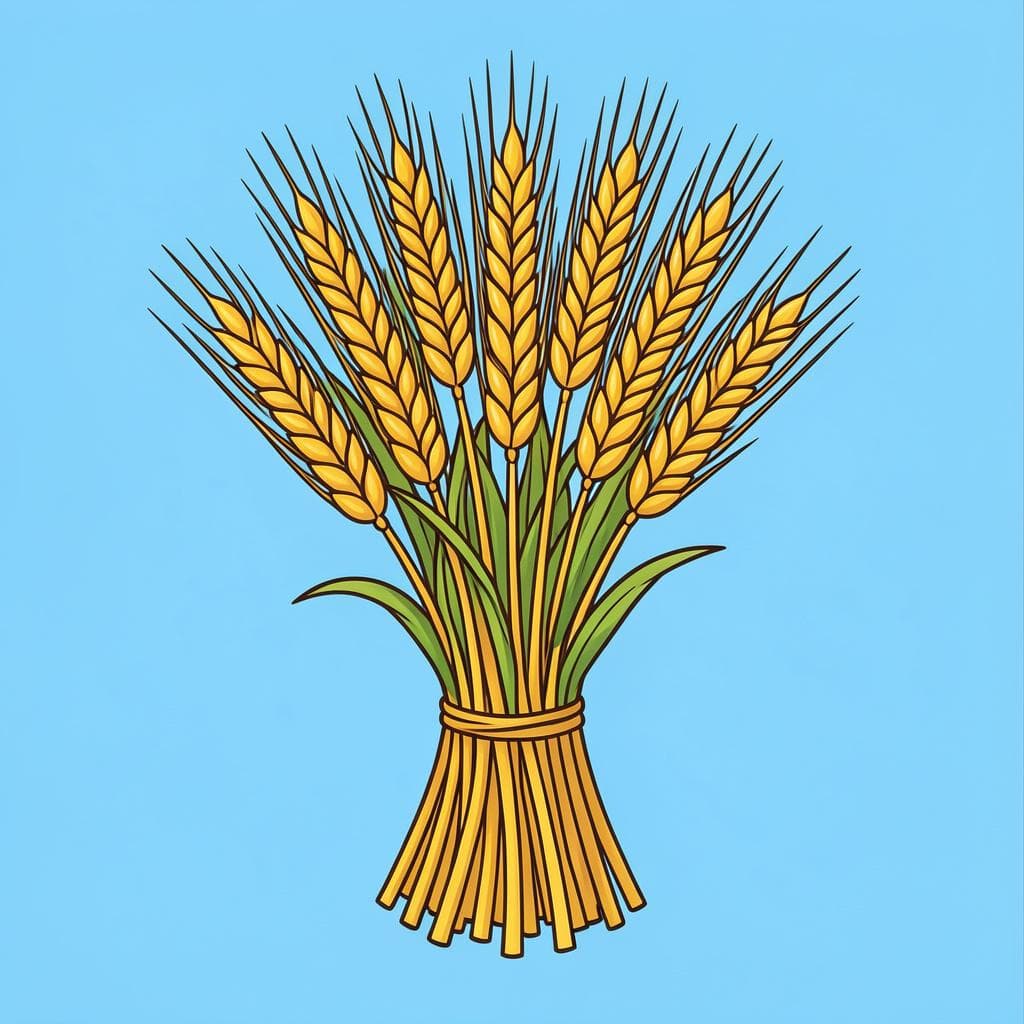
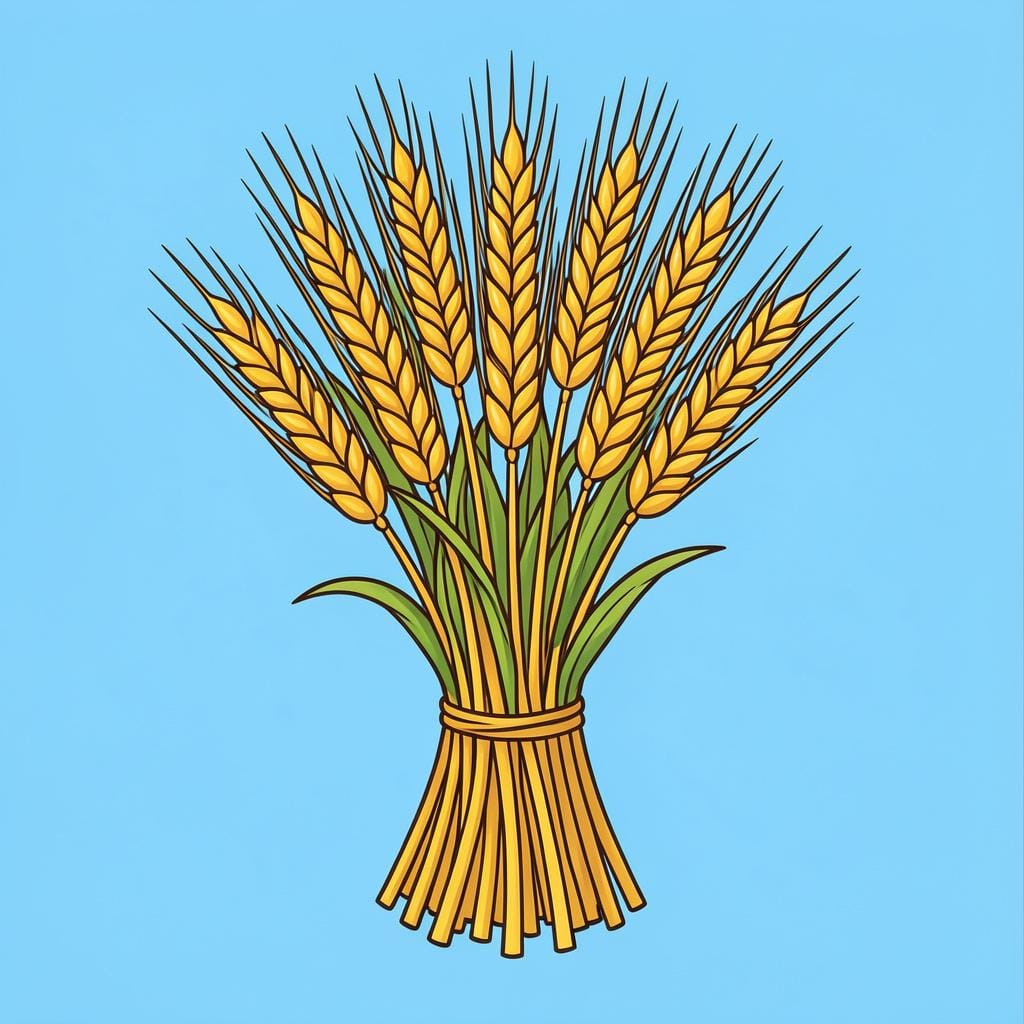
trigo
TREE-gohˈtɾi.ɣo
Examples
El pan está hecho de harina de trigo.
Bread is made from wheat flour.
Los campos de trigo son hermosos en verano.
The wheat fields are beautiful in the summer.
No puedo comer trigo porque soy celíaco.
I can't eat wheat because I am celiac.
Always Masculine
The word 'trigo' is always masculine. Even if you are talking about a lot of it, use 'el' or 'mucho'.
Singular vs. Plural
Like the word 'rice,' we usually use 'trigo' in the singular form to talk about the grain in general.
Confusing with flour
Mistake: “Using 'trigo' when you mean 'harina'.”
Correction: Use 'trigo' for the plant/grain and 'harina' for the white powder used in baking.
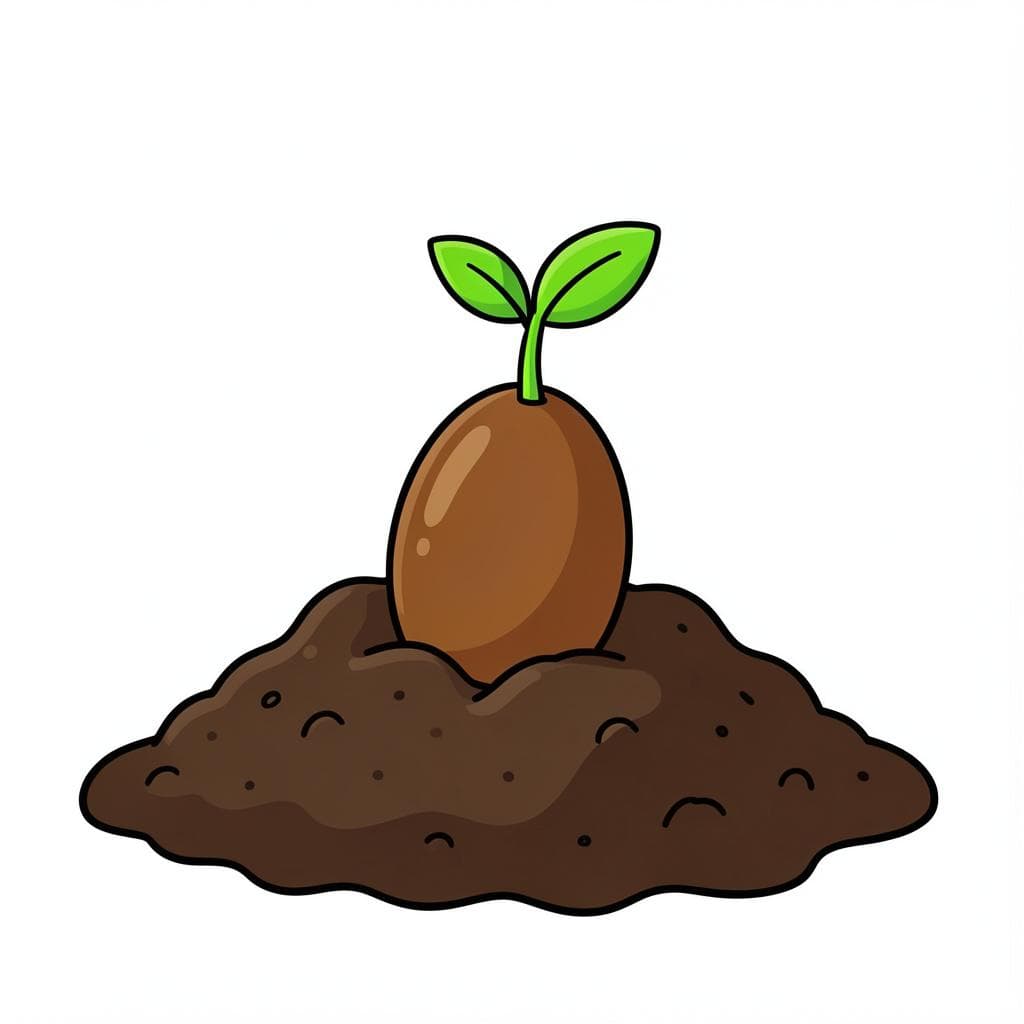
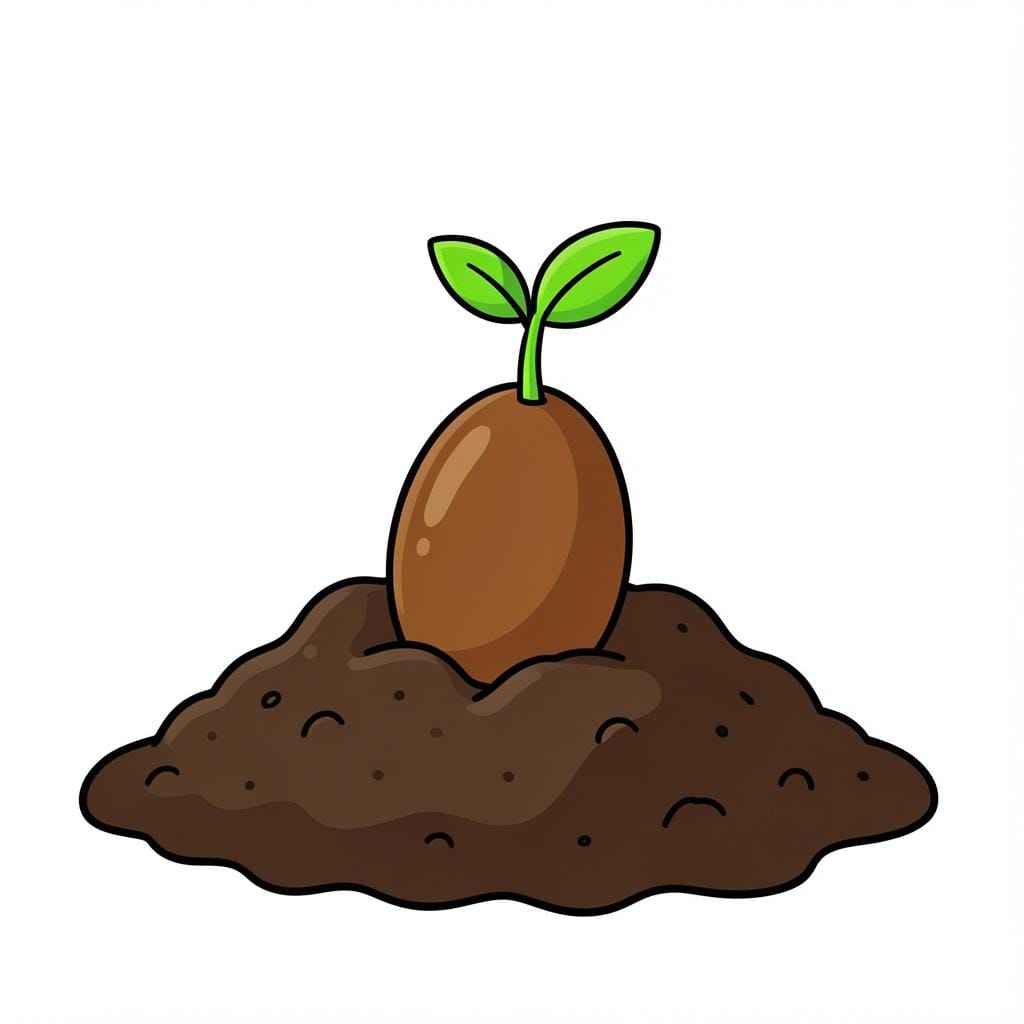
semilla
seh-MEE-yahseˈmiʝa
Examples
Necesitas plantar la semilla en tierra húmeda.
You need to plant the seed in moist soil.
Esta sandía no tiene semillas.
This watermelon doesn't have seeds.
Las semillas de chía son muy saludables.
Chia seeds are very healthy.
Always Feminine
Even if you are talking about a masculine plant like 'el manzano' (the apple tree), the word 'semilla' stays feminine. Use 'la' and 'una' with it.
Seed vs. Pip
Mistake: “Using 'hueso' for tiny seeds.”
Correction: Use 'hueso' (bone) for large pits like avocados or peaches, but 'semilla' or 'pepita' for small ones like apples or lemons.
Grano vs. Cereal
Learn Spanish with Inklingo
Interactive stories, personalized learning, and more.