How to Say "kernel" in Spanish
The most common Spanish word for “kernel” is “grano” — use 'grano' when referring to the seed of a cereal plant like corn or wheat.
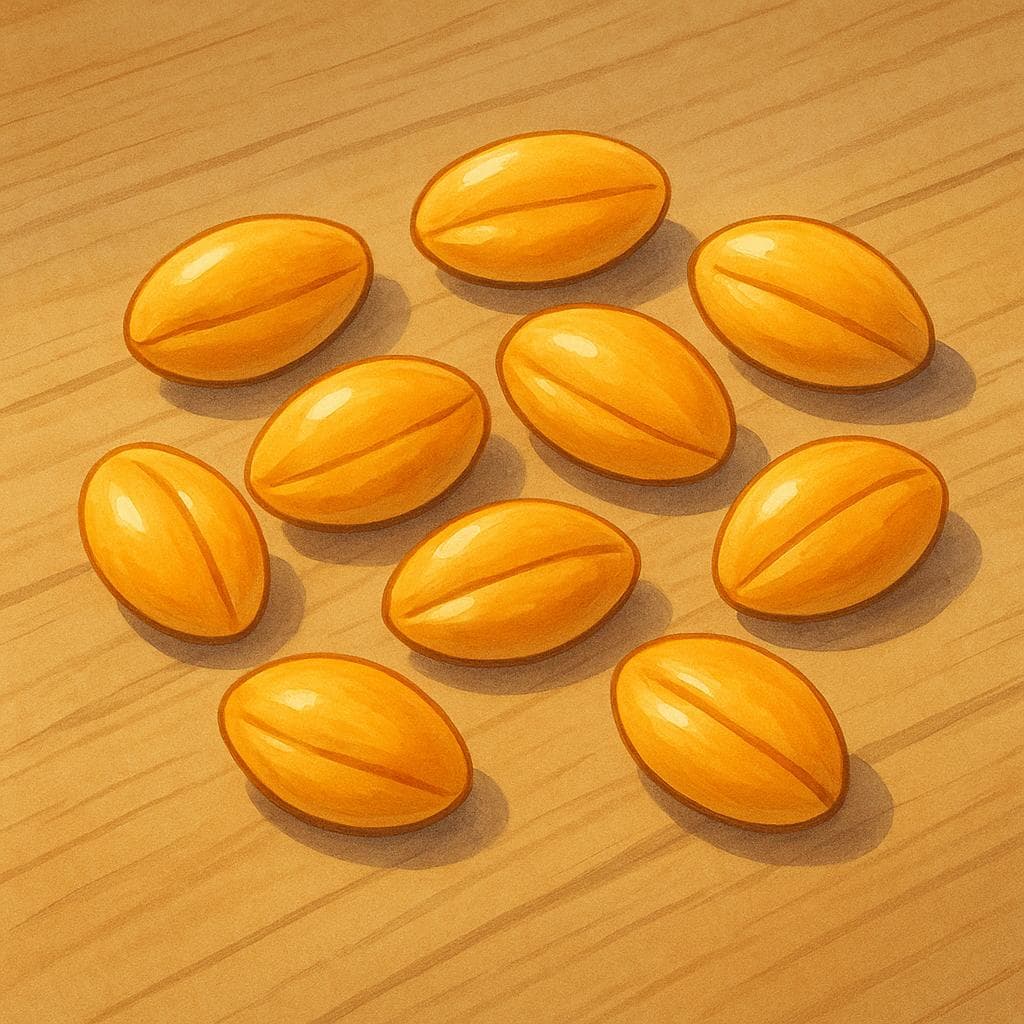
grano
GRAH-nohˈɡɾano
Examples
El maíz tiene granos deliciosos.
Corn has delicious kernels.
El agricultor cosechó mucho grano este año.
The farmer harvested a lot of grain this year.
Quiero un café hecho con granos enteros.
I want a coffee made with whole beans.
Solo queda un grano de arena en el reloj.
There is only one grain of sand left in the clock.
Always Masculine
Even though it refers to small, countable items like seeds, 'grano' is always a masculine noun ('el grano').
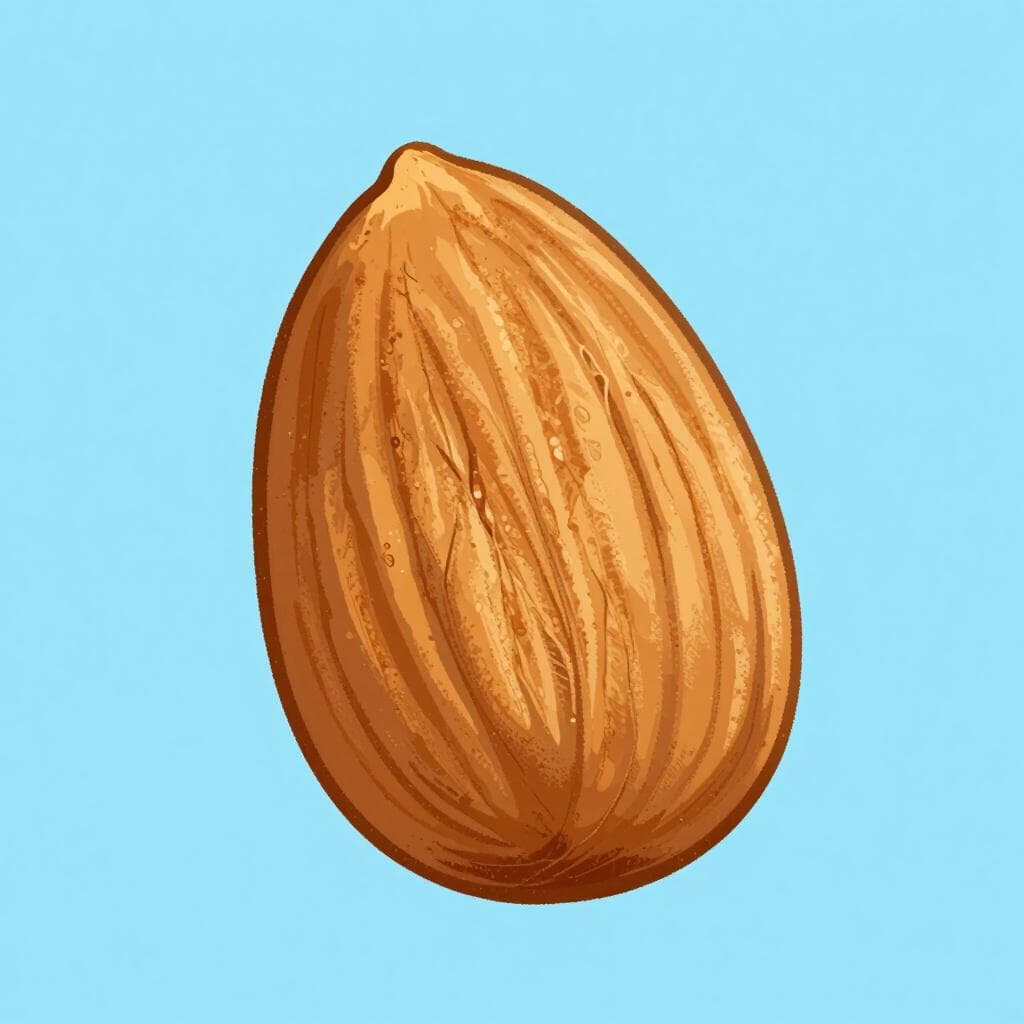
almendra
al-MEN-drahalˈmendɾa

Examples
La almendra del durazno es amarga.
The kernel of the peach is bitter.
Puse unas almendras en mi yogur.
I put some almonds in my yogurt.
Prefiero la leche de almendra en mi café.
I prefer almond milk in my coffee.
Esta tarta está hecha con almendra molida en lugar de harina.
This cake is made with ground almonds instead of flour.
Always Feminine
The word 'almendra' is a feminine noun, so you should always use 'la' or 'una' with it, even though it ends in 'a' like many other feminine words.
Singular vs. Plural in Cooking
When talking about an ingredient in general (like almond milk or almond flour), we often use the singular 'almendra'. When talking about the individual nuts you eat, use the plural 'almendras'.
Confusing the Nut with the Tree
Mistake: “Comí una manzana del almendra.”
Correction: Comí una almendra del almendro.
núcleo
Examples
El núcleo del sistema operativo Linux es muy robusto.
The kernel of the Linux operating system is very robust.
Grano vs. Almendra
Learn Spanish with Inklingo
Interactive stories, personalized learning, and more.