How to Say "particle" in Spanish
The most common Spanish word for “particle” is “grano” — use 'grano' when referring to a small, discrete piece of a larger substance, especially food grains or sand.
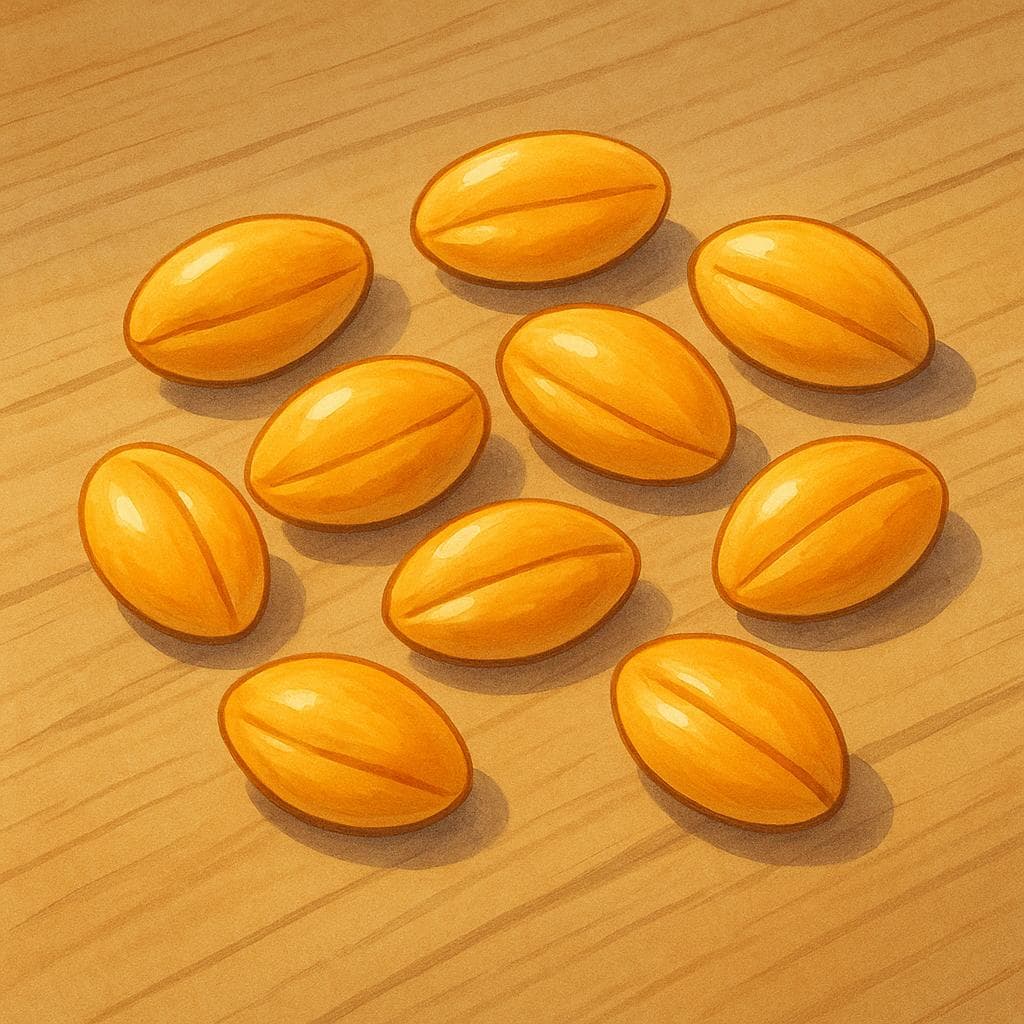
grano
GRAH-nohˈɡɾano
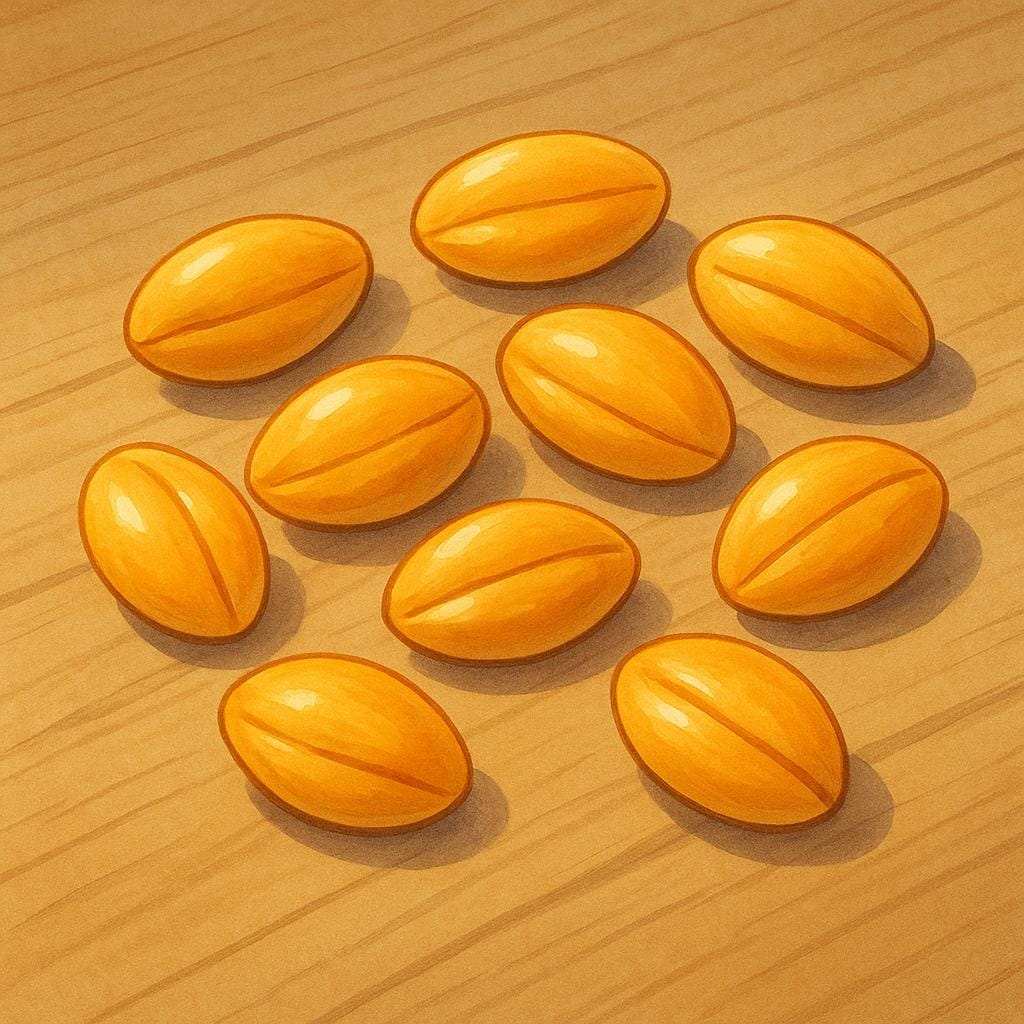
Examples
El agricultor cosechó mucho grano este año.
The farmer harvested a lot of grain this year.
Quiero un café hecho con granos enteros.
I want a coffee made with whole beans.
Solo queda un grano de arena en el reloj.
There is only one grain of sand left in the clock.
Always Masculine
Even though it refers to small, countable items like seeds, 'grano' is always a masculine noun ('el grano').
partícula
Examples
Había muchas partículas de polvo flotando en el aire.
There were many dust particles floating in the air.
átomo
Examples
El hidrógeno es el átomo más simple del universo.
Hydrogen is the simplest atom in the universe.
Material vs. Scientific Units
Learn Spanish with Inklingo
Interactive stories, personalized learning, and more.