How to Say "rude person" in Spanish
The most common Spanish word for “rude person” is “grosero” — use 'grosero' for someone who is generally impolite, lacks manners, or behaves in a way that offends others, often in a direct or noticeable manner.
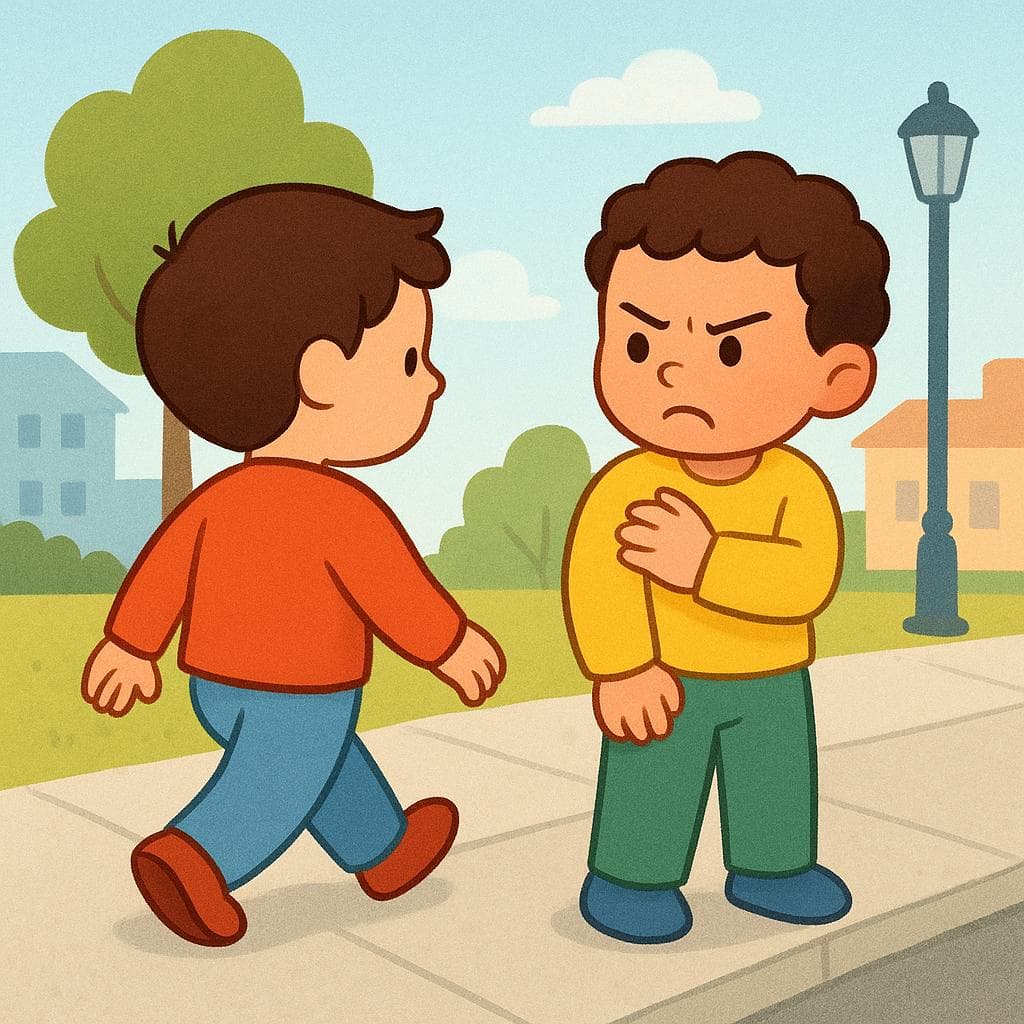
Use 'grosero' for someone who is generally impolite, lacks manners, or behaves in a way that offends others, often in a direct or noticeable manner.
Learn more →
Choose 'borde' to describe someone who is deliberately curt, unfriendly, or even aggressive in their rudeness, often implying a more confrontational attitude.
Learn more →groh-SEH-rohɡɾoˈse.ɾo
Examples
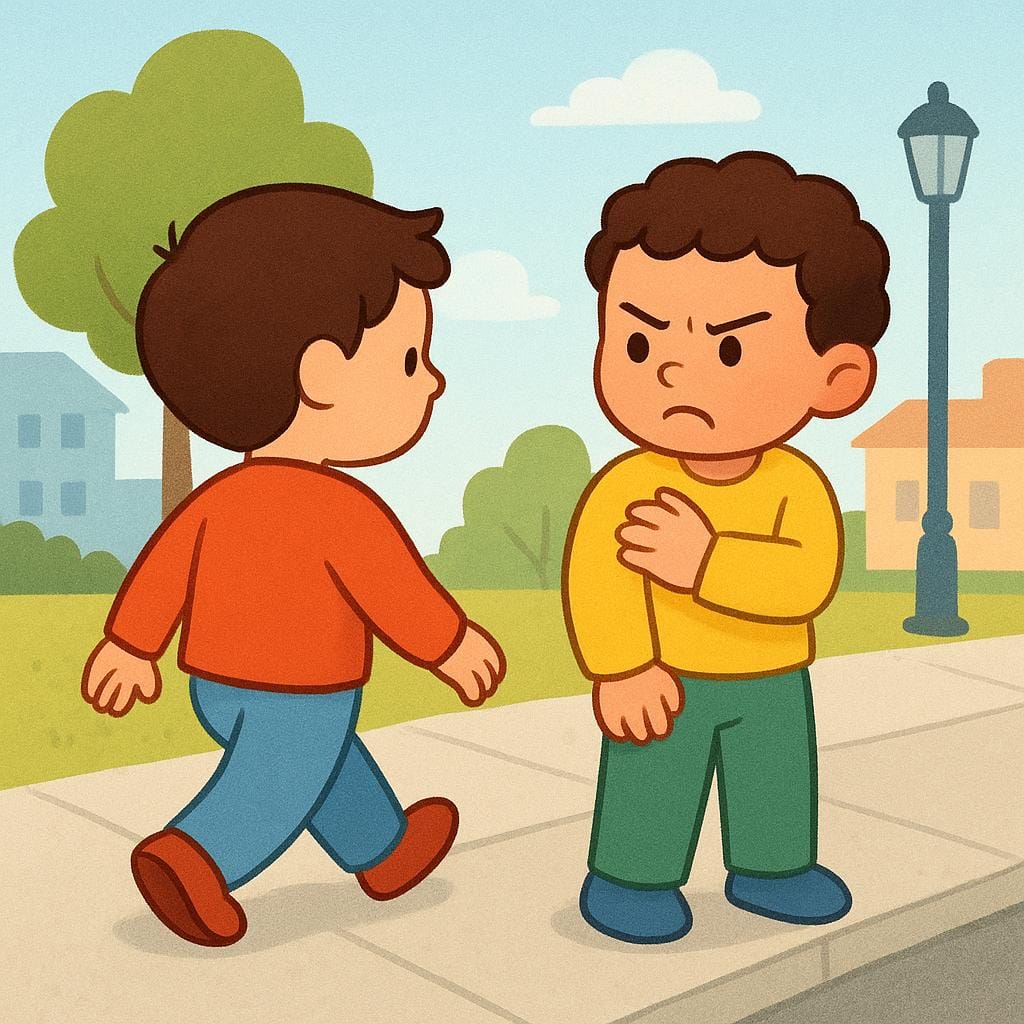
El grosero me empujó sin pedir disculpas.
The rude person pushed me without apologizing.
No quiero invitar a esos groseros a mi fiesta.
I don't want to invite those rude people (louts) to my party.
Gender Change
To refer to a rude woman, change the ending and the article: 'el grosero' (the rude man) becomes 'la grosera' (the rude woman).
BOAR-dehˈboɾ.ðe

Examples
El camarero fue un borde, ni siquiera nos miró al servir.
The waiter was a jerk; he didn't even look at us while serving.
No seas borde y pide disculpas.
Don't be rude and apologize.
Used as Adjective and Noun
In this context, 'borde' can be used as a noun ('es un borde') or as an adjective ('es muy borde'). It usually doesn't change form based on gender, even when referring to a woman.
Grosero vs. Borde
Learners often confuse 'grosero' and 'borde'. While 'grosero' is a more general term for rudeness, 'borde' implies a sharper, more confrontational, or intentionally unpleasant manner. Think of 'borde' as a more intense, often informal, version of 'grosero'.
Related Translations
Learn Spanish with Inklingo
Interactive stories, personalized learning, and more.