How to Say "coarse" in Spanish
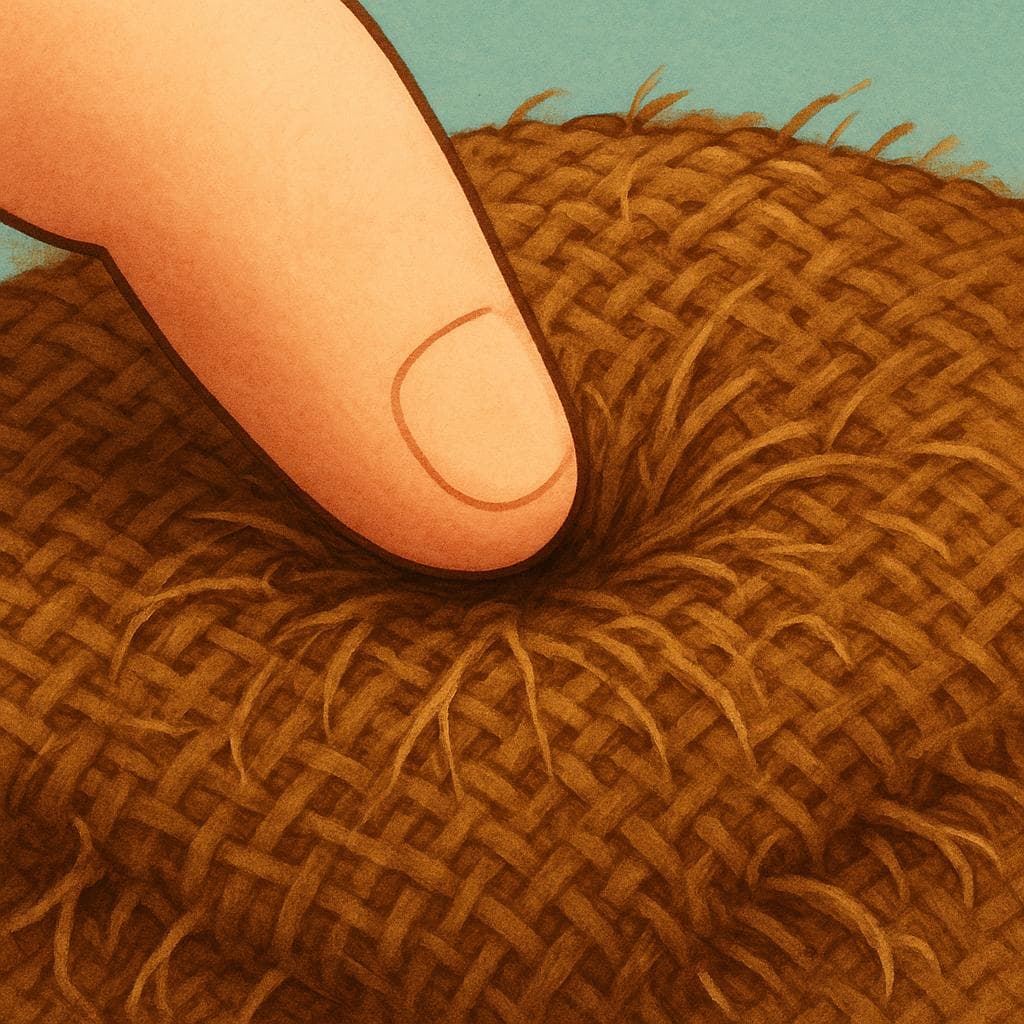
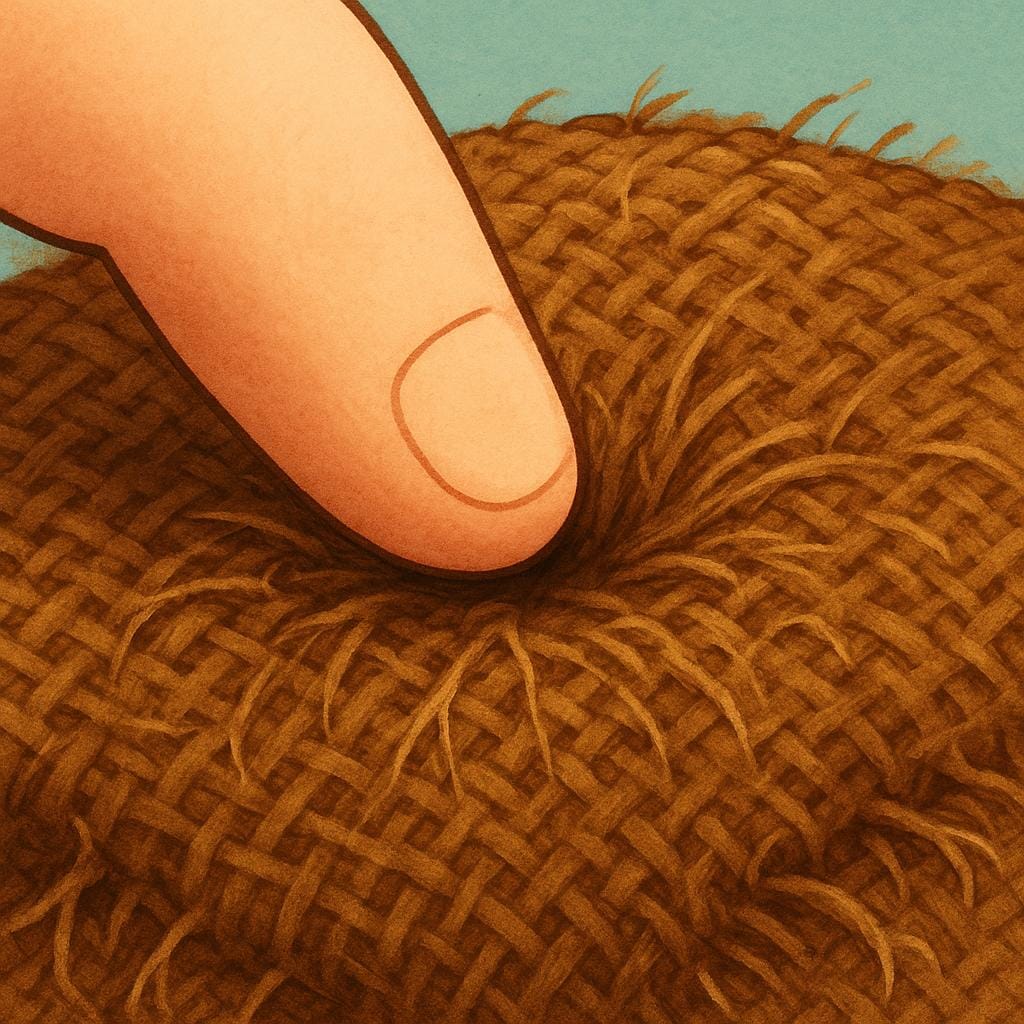
The most common Spanish word for “coarse” is “grosero” — use 'grosero' when describing a texture or quality that is rough, crude, or unrefined, often implying a lack of fineness.
English → Spanish
grosero
groh-SEH-rohɡɾoˈse.ɾo
adjectiveB2general
Use 'grosero' when describing a texture or quality that is rough, crude, or unrefined, often implying a lack of fineness.
Examples
El pintor usó un pincel de cerdas muy groseras.
The painter used a brush with very coarse bristles.
Necesitamos sal grosera para sazonar la carne.
We need coarse salt to season the meat.
Physical Description
In this sense, 'grosero' describes the physical quality or texture of an object, like sand, fabric, or salt.
áspero
adjectiveA2general
Use 'áspero' primarily for the physical texture of fabrics or materials that feel rough or abrasive to the touch.
Examples
La lija es muy áspera para este mueble.
The sandpaper is too rough for this piece of furniture.
Grosero vs. Áspero
Learners often confuse 'grosero' and 'áspero'. Remember that 'áspero' is almost always about physical texture (like sandpaper or rough fabric), while 'grosero' can also refer to a more abstract lack of refinement or quality, in addition to texture.
Learn Spanish with Inklingo
Interactive stories, personalized learning, and more.