How to Say "run" in Spanish
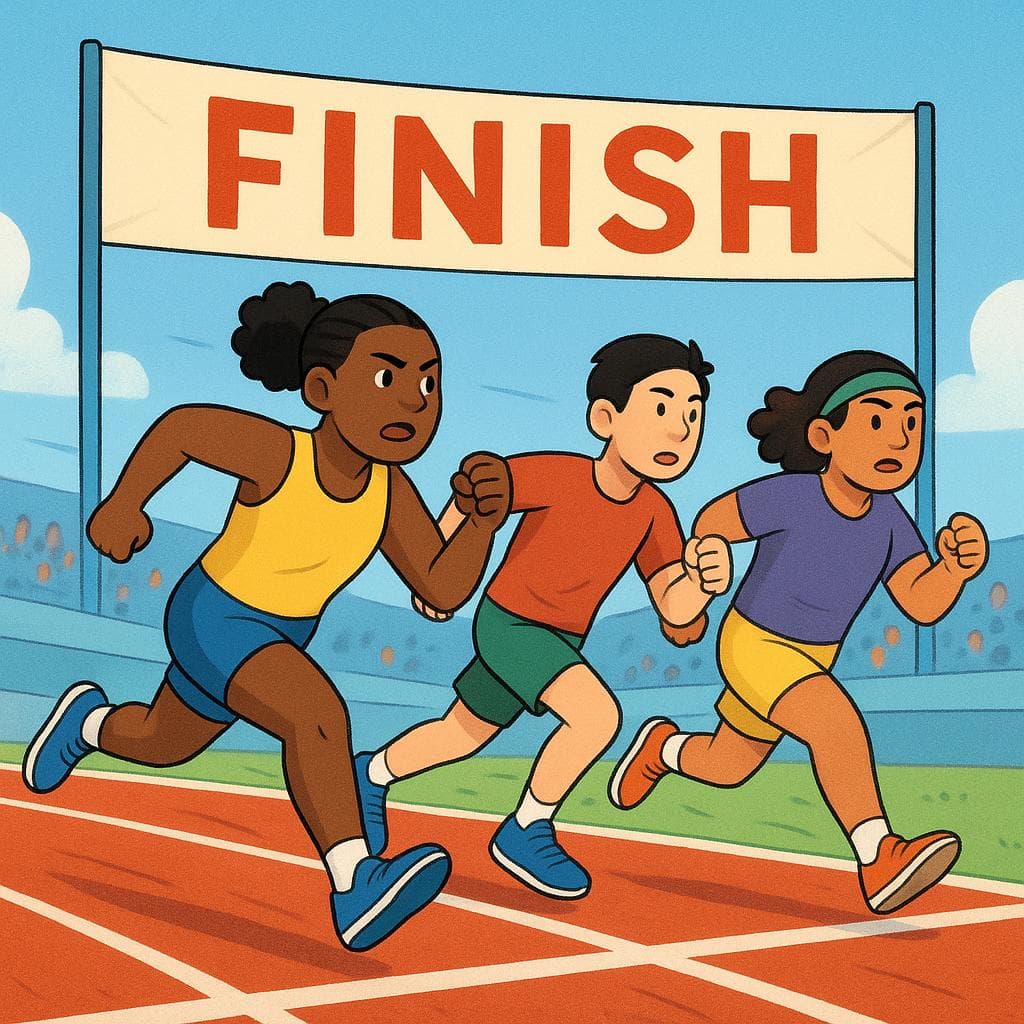
The most common Spanish word for “run” is “corra” — use 'corra' when referring to the act of moving quickly on foot, often in a race or for exercise. This is the most direct translation for the action of running.






corra
KOH-rrahˈko.ra

Examples
Espero que ella corra en el parque hoy.
I hope she runs in the park today.
No creo que el agua corra por aquí.
I don't think the water flows through here.
¡Por favor, corra!
Please, run! (to a person you address formally)
The 'Switch' Rule
For verbs ending in -ER (like correr), the 'special forms' used for wishes or polite commands switch their ending to -A. That's why 'corre' becomes 'corra'.
Confusing 'Corre' and 'Corra'
Mistake: “Using 'corre' when talking to a boss or stranger.”
Correction: Use 'corra' for formal situations (Usted) and 'corre' for friends (Tú).
carrera
kah-RREH-rrahkaˈreɾa
Examples
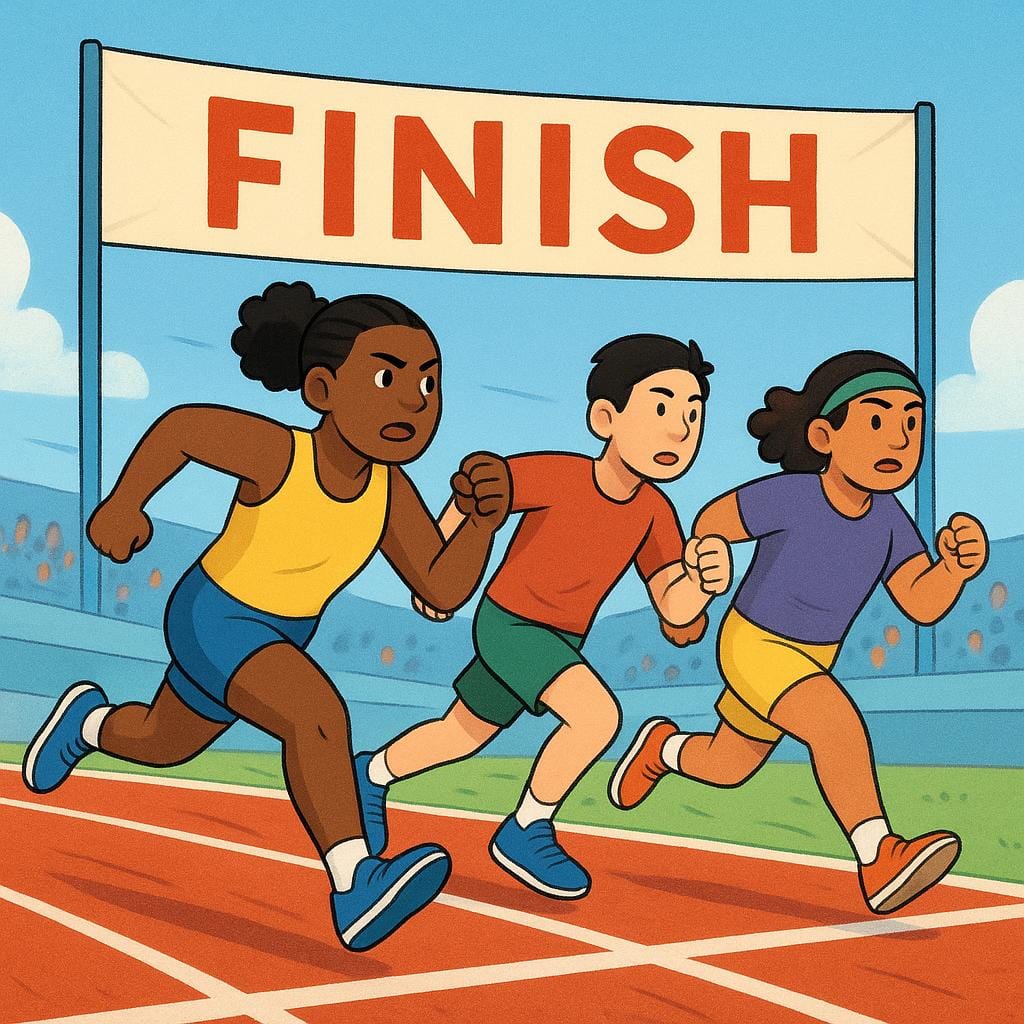
Mi hermano ganó la carrera de 100 metros.
My brother won the 100-meter race.
La carrera de Fórmula 1 fue muy emocionante.
The Formula 1 race was very exciting.
Vamos a echar una carrera hasta la esquina.
Let's have a race to the corner.
¡Qué mala suerte! Se me hizo una carrera en las medias nuevas.
What bad luck! I got a run in my new stockings.
racha
rah-chahˈrat͡ʃa

Examples
El equipo lleva una racha de cinco victorias seguidas.
The team is on a five-game winning streak.
Estoy pasando por una mala racha en el trabajo.
I'm going through a rough patch at work.
¡Qué buena racha tienes!
What a lucky streak you're having!
Always Feminine
Even though it ends in 'a', just remember it always uses feminine words like 'la' or 'una'. Use 'buena' or 'mala' to describe it.
Using 'racha' for long eras
Mistake: “Using 'racha' for a 10-year period.”
Correction: Use 'racha' for shorter, temporary bursts of luck or behavior. For long historical periods, use 'época'.
ejecutado
eh-heh-koo-TAH-dohexekuˈtaðo

Examples
El plan fue ejecutado sin ningún error.
The plan was carried out without any errors.
La pieza musical fue ejecutada a la perfección por el pianista.
The musical piece was performed perfectly by the pianist.
El código ha sido ejecutado correctamente.
The code has been run correctly.
Matching the Gender
Since this word describes a thing, its ending must match. Use 'ejecutado' for masculine items (like 'el plan') and 'ejecutada' for feminine ones (like 'la tarea').
Using with 'Ser' vs 'Haber'
When you use 'ser' (to be) before it, you are describing the state of a task. When you use 'haber' (to have), you are saying that someone has finished an action.
Forgetting the 'A' for Feminine Words
Mistake: “La obra fue ejecutado.”
Correction: La obra fue ejecutada. (Because 'obra' is feminine, the description needs to end in 'a' too.)
marchar
mar-CHARmaɾˈtʃaɾ

Examples
El negocio marcha muy bien este trimestre.
The business is going very well this quarter.
Pregunté cómo marchaba la construcción de la casa.
I asked how the construction of the house was progressing.
El motor ya no marcha, creo que está roto.
The engine no longer works, I think it's broken.
Impersonal Use
This meaning is often used in the third person (él/ella/usted) to talk about non-human things or situations, like asking '¿Cómo marcha todo?' (How is everything going?).
ciclo
SEE-kloh/ˈθiklo/ (Spain), /ˈsiklo/ (Latin America)

Examples
Asistimos al ciclo de conferencias sobre historia antigua.
We attended the series of lectures on ancient history.
El cineclub presentará un ciclo de películas de Almodóvar.
The film club will present a series/run of Almodóvar films.
corrida
ko-rree-dahkoˈriða
Examples
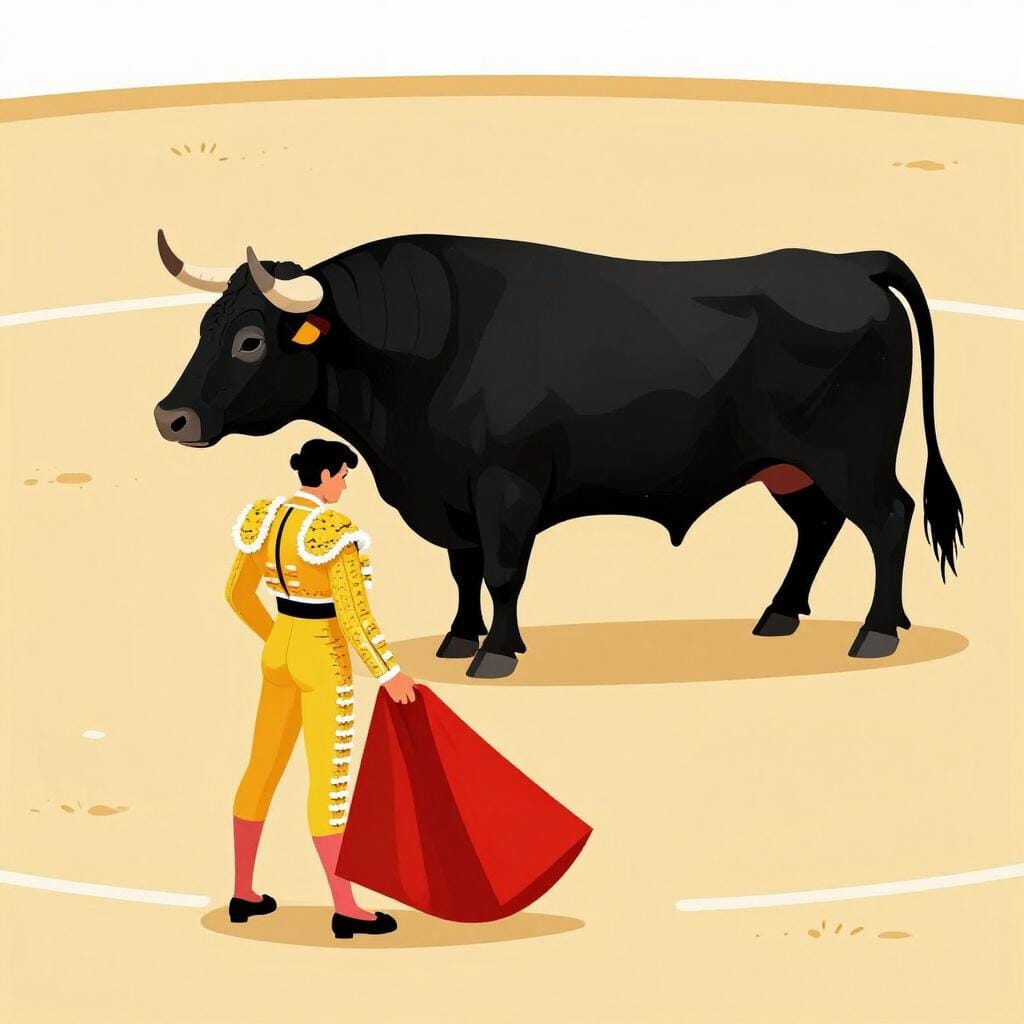
La corrida de toros comienza a las cinco de la tarde.
The bullfight starts at five in the afternoon.
¿A qué hora sale la última corrida para la Ciudad de México?
What time does the last bus run leave for Mexico City?
Llevo una semana corrida de mucho trabajo.
I've had a straight week of a lot of work.
Feminine Noun
Even though 'corrida' comes from the verb 'correr' (to run), it is always a feminine word. Use 'la' or 'una' with it.
Using 'de corrida' as a Description
When you want to say you did something without stopping, use 'de corrida' after the action. For example: 'Leí el libro de corrida' (I read the book in one sitting).
Corrida vs. Carrera
Mistake: “Voy a participar en una corrida de 5km.”
Correction: Voy a participar en una carrera de 5km. Use 'carrera' for athletic races; 'corrida' is mostly for bullfights or bus schedules.
Action vs. Series
Related Translations
Learn Spanish with Inklingo
Interactive stories, personalized learning, and more.