How to Say "satisfied" in Spanish
The most common Spanish word for “satisfied” is “satisfecho” — use 'satisfecho' when you feel pleased or content with a specific outcome, result, or situation.




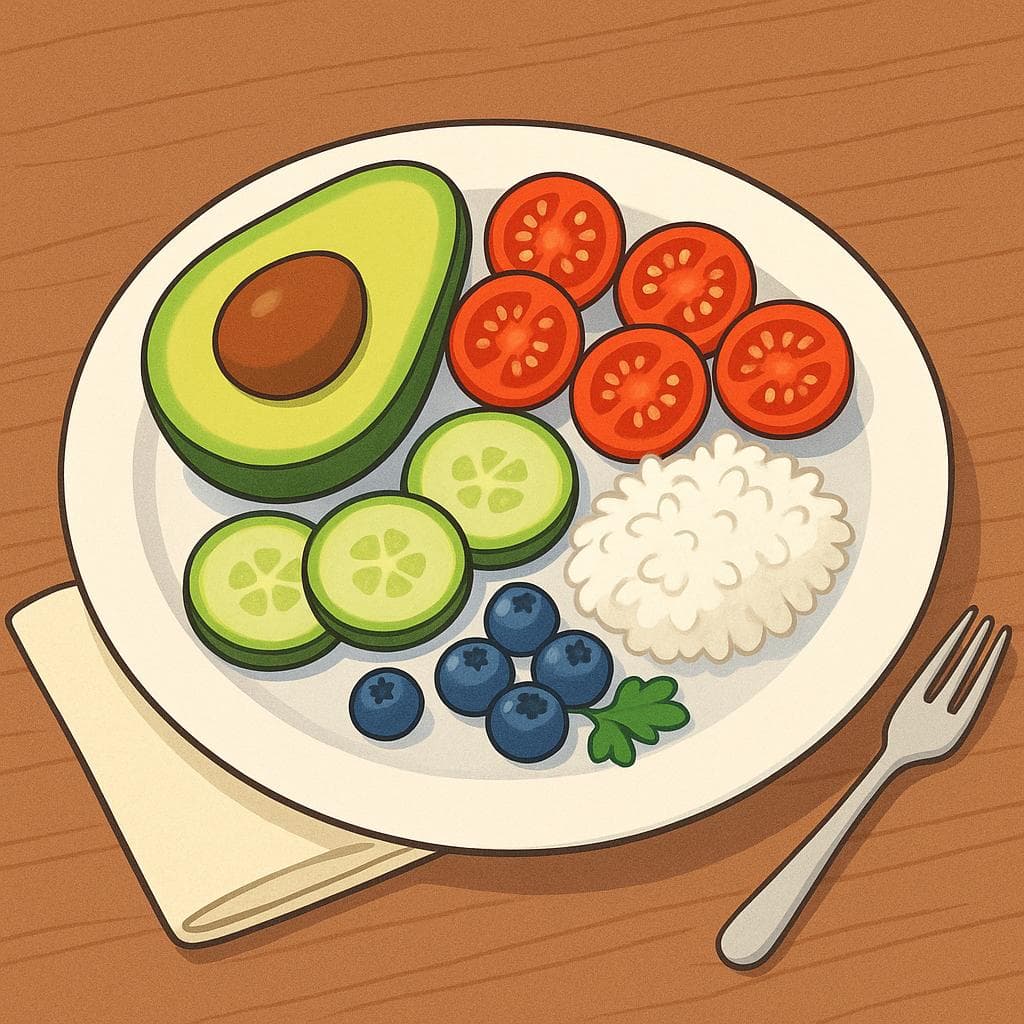
satisfecho
sah-tees-FEH-chohsa.tisˈfe.t͡ʃo

Examples
Estoy muy satisfecho con el resultado de mi examen.
I am very satisfied with the result of my exam.
Después de la cena, el niño se sintió completamente satisfecho.
After dinner, the boy felt completely full (and satisfied).
Si estás satisfecho con el servicio, puedes dejar una propina.
If you are pleased with the service, you can leave a tip.
State of Being (Estar)
Use 'satisfecho' almost always with the verb 'estar' (to be) because it describes a temporary state or feeling, not a permanent characteristic.
The Irregular Root
This word is the past participle of the verb 'satisfacer' (to satisfy). Although it looks like it ends in -echo, it follows the pattern of 'hacer' (hecho) because 'satisfacer' is related to 'hacer'.
Using Ser Instead of Estar
Mistake: “Soy satisfecho.”
Correction: Estoy satisfecho. (You must use 'estar' because satisfaction is a current, changeable feeling, not a fundamental part of who you are.)
complacido
kom-pla-SEE-dohkomplaˈθiðo

Examples
Estoy muy complacido con el progreso de los estudiantes.
I am very pleased with the students' progress.
El director se mostró complacido por los resultados trimestrales.
The director seemed satisfied with the quarterly results.
Ella no parecía del todo complacida con la explicación que le dieron.
She didn't seem entirely content with the explanation they gave her.
Matching People and Gender
Since this is an adjective, you must change the ending to match who you are talking about. Use 'complacido' for a man, 'complacida' for a woman, 'complacidos' for a group of men (or mixed), and 'complacidas' for a group of women.
Which 'To Be' to use?
Always use 'estar' (the temporary form of 'to be') when saying you are pleased. This is because being pleased is a feeling or a state of mind, not a permanent character trait.
Don't use 'ser'
Mistake: “Soy complacido con mi regalo.”
Correction: Estoy complacido con mi regalo. (Use 'estar' for feelings/emotions).
conforme
kon-FOR-mehkonˈfoɾme

Examples
Estoy conforme con el precio final.
I am satisfied with the final price.
¿Están todos conformes?
Is everyone in agreement?
Using 'Estar'
When 'conforme' means satisfied, it almost always pairs with the verb 'estar' (to be) because it describes a temporary feeling or state of mind.
Masculine vs Feminine
Mistake: “Ella está conforma.”
Correction: Ella está conforme. Words ending in 'e' usually stay the same for both men and women.
realizado
reh-ah-lee-SAH-dohrea.liˈθa.ðo

Examples
Ella se siente muy realizada en su nueva profesión.
She feels very fulfilled in her new profession.
Es un hombre plenamente realizado.
He is a fully fulfilled man.
Using with 'sentirse'
This meaning is almost always paired with the verb 'sentirse' (to feel) or 'estar' (to be) to describe a state of mind.
servido
ser-VEE-dohseɾˈβiðo

Examples
La mesa está servida. ¡Podemos empezar a comer!
The table is set. We can start eating!
El plato principal fue servido con una salsa picante.
The main dish was served with a spicy sauce.
No más postre, gracias. Estoy servido.
No more dessert, thank you. I've had enough (I am satisfied).
Agreement is Key
When 'servido' is used as an adjective (usually after 'estar' or 'ser'), it must change its ending to match the thing it describes: 'servida' (feminine singular), 'servidos' (masculine plural), 'servidas' (feminine plural).
Forgetting Gender
Mistake: “La comida está servido.”
Correction: La comida está servida. (Since 'comida' is feminine, the adjective must also be feminine.)
convenció
Examples
Ella me convenció de ir al cine.
She convinced me to go to the movies.
Satisfecho vs. Complacido vs. Conforme
Related Translations
Learn Spanish with Inklingo
Interactive stories, personalized learning, and more.