How to Say "fulfilled" in Spanish
The most common Spanish word for “fulfilled” is “cumplió” — use 'cumplió' when referring to the past tense of a person or entity completing an action, such as fulfilling a promise or reaching a specific age.



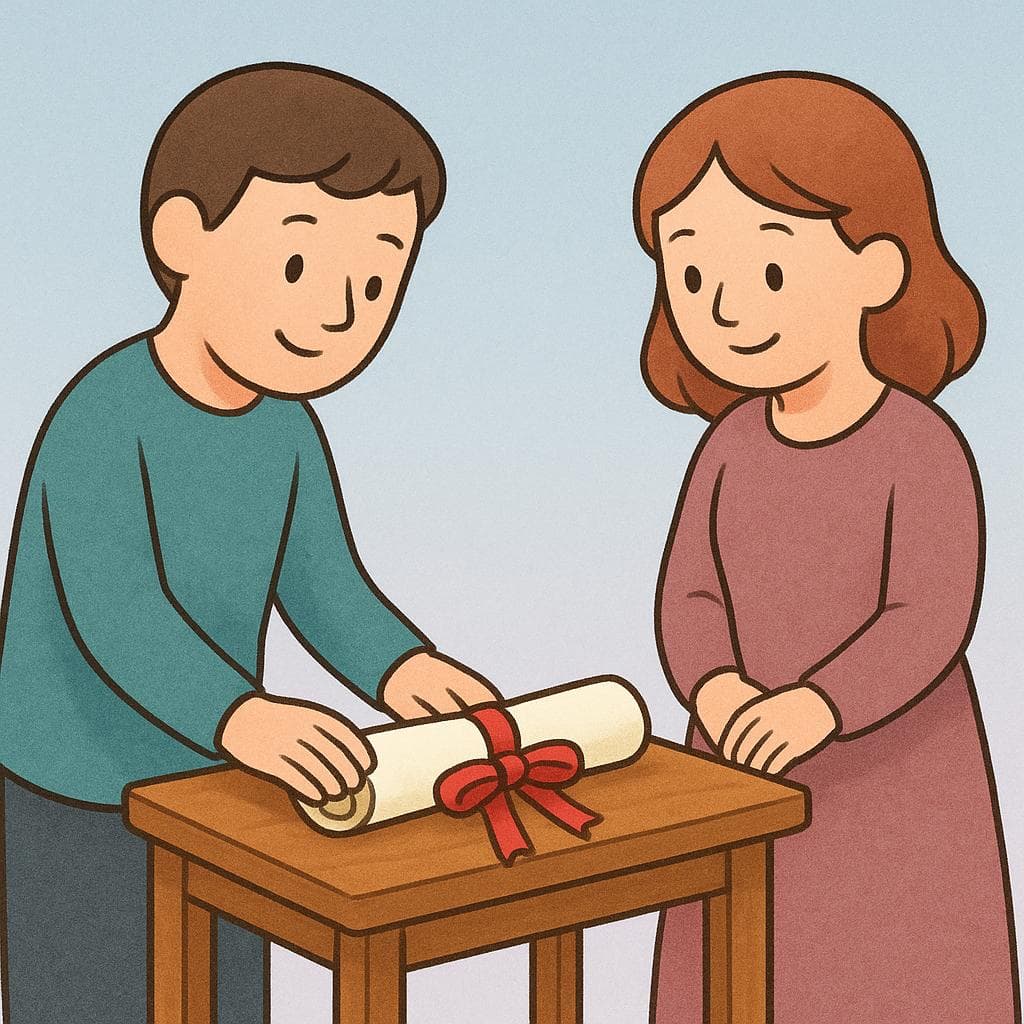
cumplió
koom-plee-OHkumˈpljo

Examples
El equipo cumplió con todas las expectativas del cliente.
The team fulfilled all the client's expectations.
Ayer mi hermano cumplió veinte años.
Yesterday my brother turned twenty years old.
Ella cumplió su promesa y vino a la fiesta.
She kept her promise and came to the party.
El equipo cumplió el objetivo del mes.
The team met the goal for the month.
The Power of the Accent
The accent on the 'o' (ó) tells you this happened in the past. Without the accent, 'cumplio' isn't a word, and 'cumple' means he or she is doing it right now.
Using 'Be' for Age
Mistake: “Él fue 20 años.”
Correction: Él cumplió 20 años.
cumplido
koom-PLEE-dohkumˈpliðo

Examples
La misión fue cumplida con éxito por el equipo.
The mission was successfully fulfilled by the team.
Necesitas tener dieciocho años cumplidos para obtener la licencia.
You need to be eighteen years old (complete) to get the license.
Toda la documentación está cumplida, podemos seguir adelante.
All the documentation is complete/fulfilled, we can move forward.
Agreement is Key
Since this word acts as an adjective, it must match the noun it describes. For example, 'la promesa cumplida' (feminine singular) or 'los deberes cumplidos' (masculine plural).
realizado
reh-ah-lee-SAH-dohrea.liˈθa.ðo

Examples
Ella se siente muy realizada en su nueva profesión.
She feels very fulfilled in her new profession.
Es un hombre plenamente realizado.
He is a fully fulfilled man.
Using with 'sentirse'
This meaning is almost always paired with the verb 'sentirse' (to feel) or 'estar' (to be) to describe a state of mind.
satisfecho
sah-tees-FEH-chohsa.tisˈfe.t͡ʃo
Examples
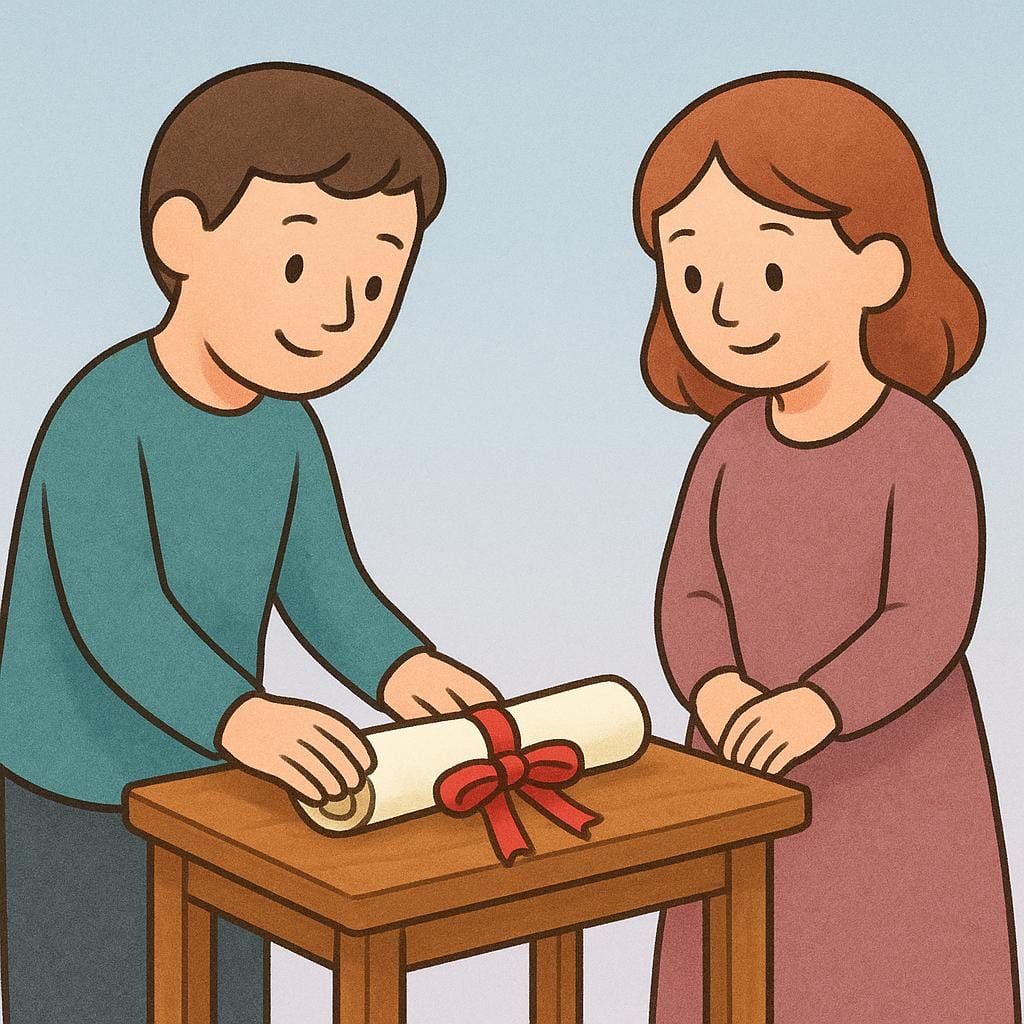
El requisito de la visa fue satisfecho por el solicitante.
The visa requirement was fulfilled by the applicant.
Una vez que el pago esté satisfecho, se enviará la mercancía.
Once the payment is met (paid), the merchandise will be sent.
Formal Usage (Ser)
In this formal sense, 'satisfecho' describes a permanent state of completion (the requirement IS fulfilled), so it often uses the verb 'ser' in passive constructions.
Confusing Duty vs. Personal Satisfaction
Related Translations
Learn Spanish with Inklingo
Interactive stories, personalized learning, and more.