How to Say "scenario" in Spanish
The most common Spanish word for “scenario” is “escenario” — use 'escenario' when referring to a specific, hypothetical, or possible situation, outcome, or setting, especially in planning or prediction.
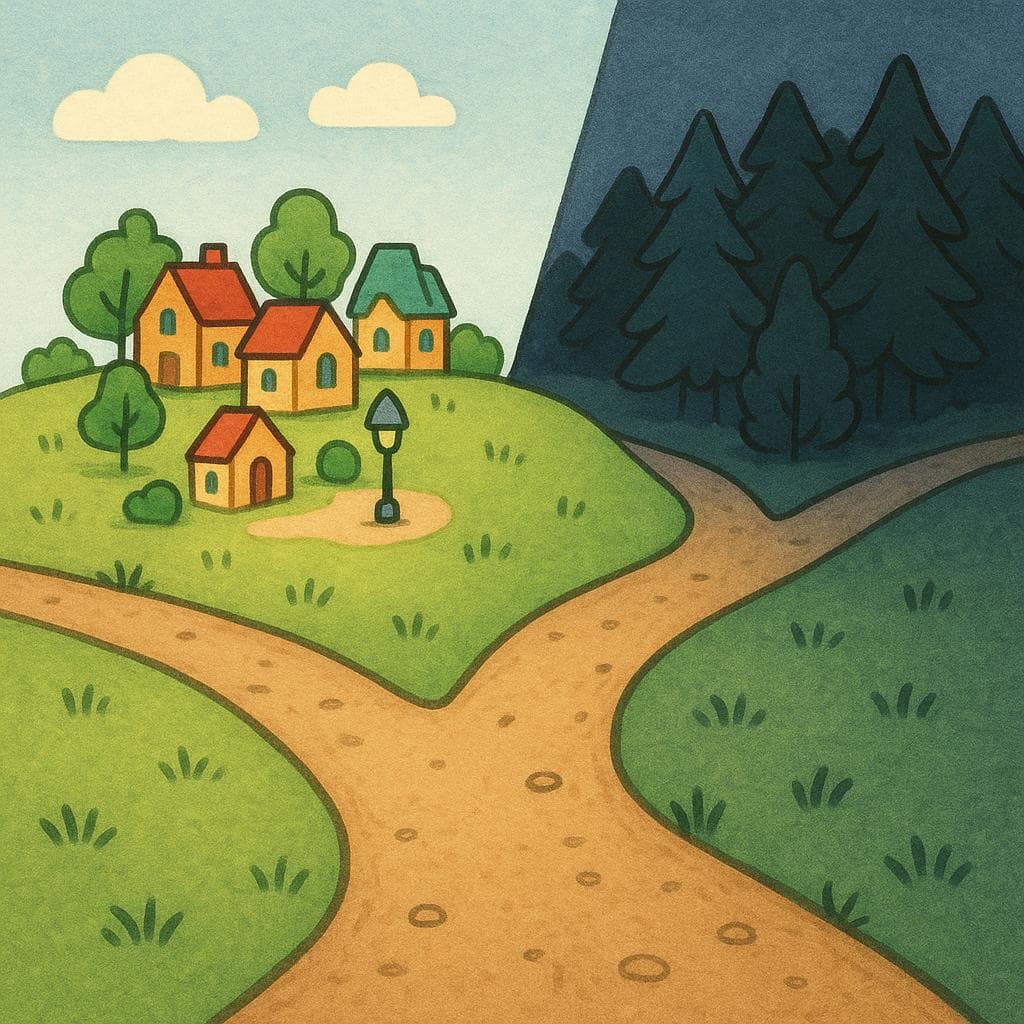
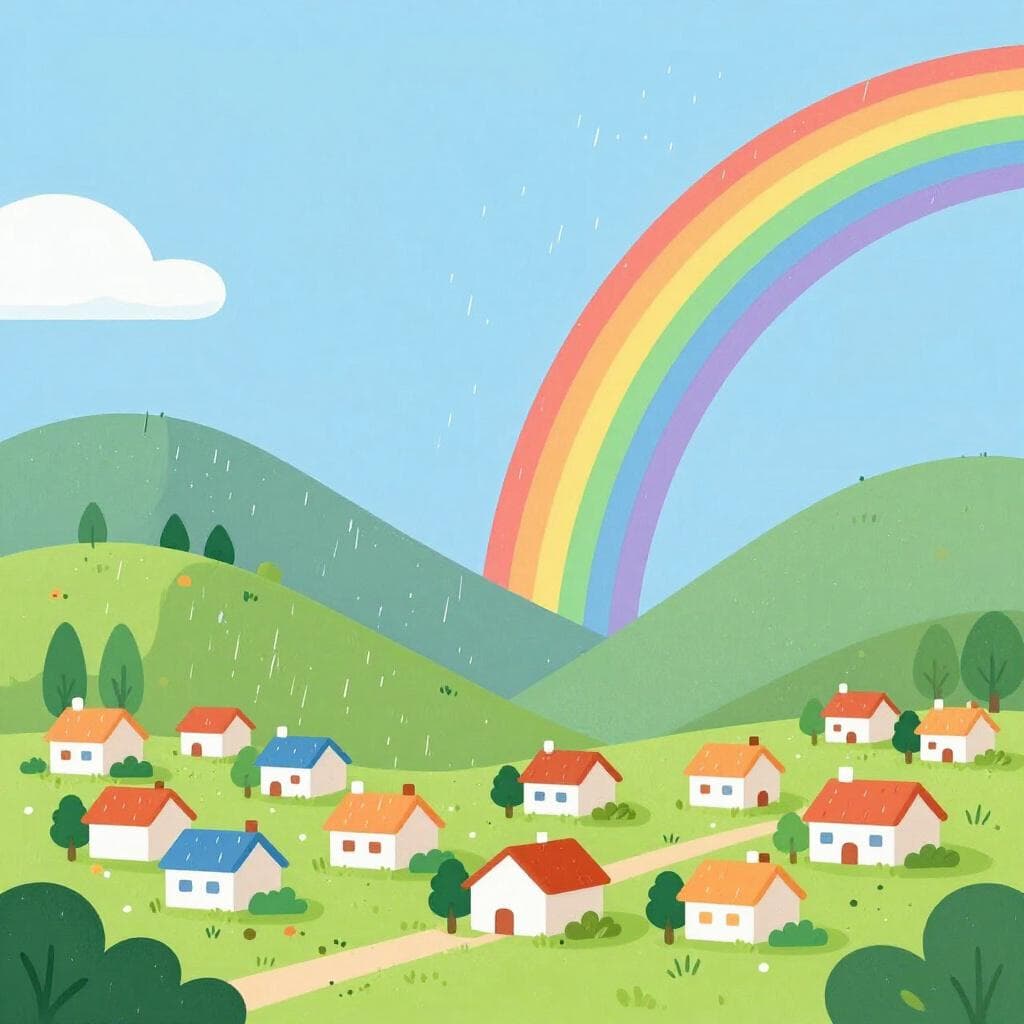
escenario
es-seh-NAH-reeoheseˈnaɾjo
Examples
Tenemos que prepararnos para el peor escenario posible.
We have to prepare ourselves for the worst possible scenario.
El escenario político ha cambiado mucho en el último mes.
The political setting (or context) has changed a lot in the last month.
Este nuevo acuerdo crea un escenario optimista para el futuro de la empresa.
This new agreement creates an optimistic scenario for the future of the company.
Adjective Use
In this abstract meaning, 'escenario' is often paired with adjectives that describe quality or risk, such as 'optimista,' 'pesimista,' 'incierto,' or 'económico'.
panorama
pah-noh-RAH-mahpanoˈɾama
Examples
El panorama económico está mejorando poco a poco.
The economic situation is improving bit by bit.
Es difícil predecir el panorama político para el próximo año.
It is difficult to predict the political outlook for next year.
Antes de decidir, analicemos el panorama general.
Before deciding, let's analyze the big picture.
Abstract Usage
When used figuratively, it functions just like the word 'outlook' or 'situation' in English.
Avoid 'Contexto' for Outlook
Mistake: “El contexto económico para el futuro es bueno.”
Correction: El panorama económico para el futuro es bueno. Use 'panorama' when talking about future prospects or a broad overview.
Scenario vs. Outlook
Related Translations
Learn Spanish with Inklingo
Interactive stories, personalized learning, and more.