How to Say "shackles" in Spanish
The most common Spanish word for “shackles” is “cadenas” — use 'cadenas' for general restraining devices that are essentially chains, often used for securing objects rather than people.


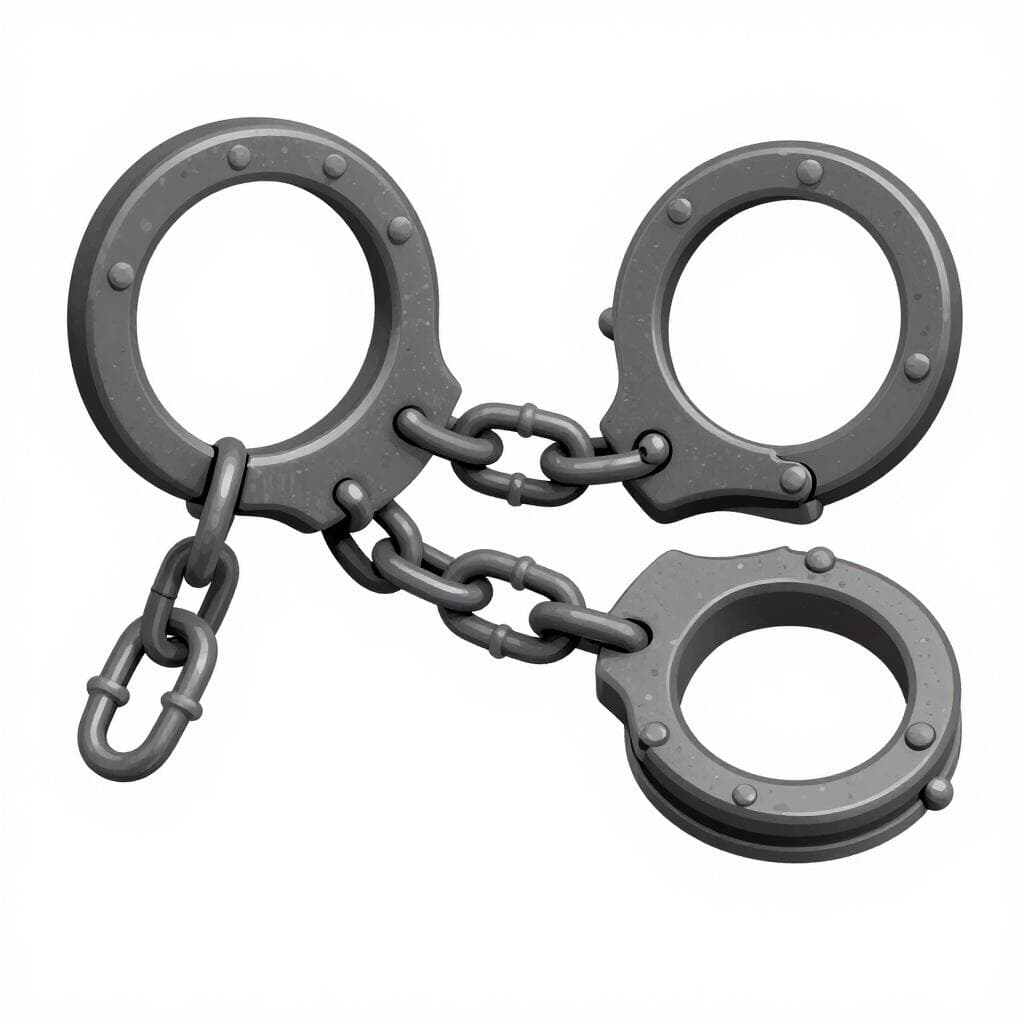
cadenas
kah-DEH-nahskaˈðe.nas

Examples
Necesitamos cadenas para asegurar la bicicleta.
We need chains to secure the bicycle.
Puso las cadenas en los neumáticos por la nieve.
He put the chains on the tires because of the snow.
Always Plural in This Form
Remember that 'cadenas' is the plural form of the feminine noun 'cadena'. Use feminine plural adjectives with it (e.g., 'cadenas pesadas').
Gender Confusion
Mistake: “Los cadenas”
Correction: Las cadenas. 'Cadena' is always feminine, even in plural.
esposas
es-POH-sasesˈposas

Examples
El ladrón fue arrestado y le pusieron las esposas.
The thief was arrested and they put the handcuffs on him.
Necesitas la llave para quitar las esposas.
You need the key to remove the handcuffs.
Always Plural
In this meaning, 'esposas' is almost always used in the plural, even though it refers to a single pair of restraints, much like the English word 'handcuffs'.
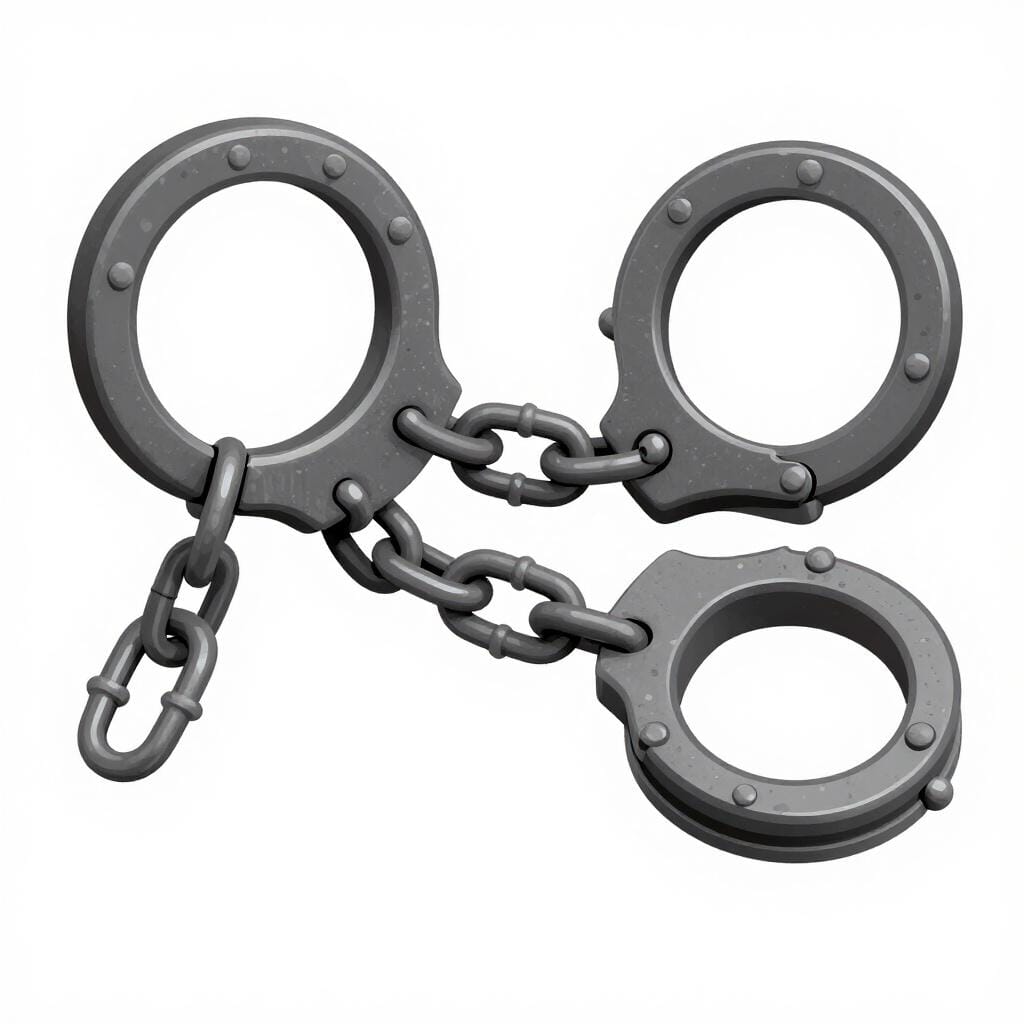
grillo
GREE-yohˈɡɾiʝo
Examples
El prisionero caminaba con dificultad debido a los grillos.
The prisoner walked with difficulty because of the shackles.
Antiguamente, ponían grillos a los acusados para que no escaparan.
In the old days, they put fetters on the accused so they wouldn't escape.
Always Plural for Restraints
Just like 'handcuffs' in English, when referring to restraints, you almost always use the plural 'grillos' because they come in pairs.
Confusing Handcuffs with Leg Restraints
Learn Spanish with Inklingo
Interactive stories, personalized learning, and more.