grillo
“grillo” means “cricket” in Spanish. It has 3 different meanings depending on context:
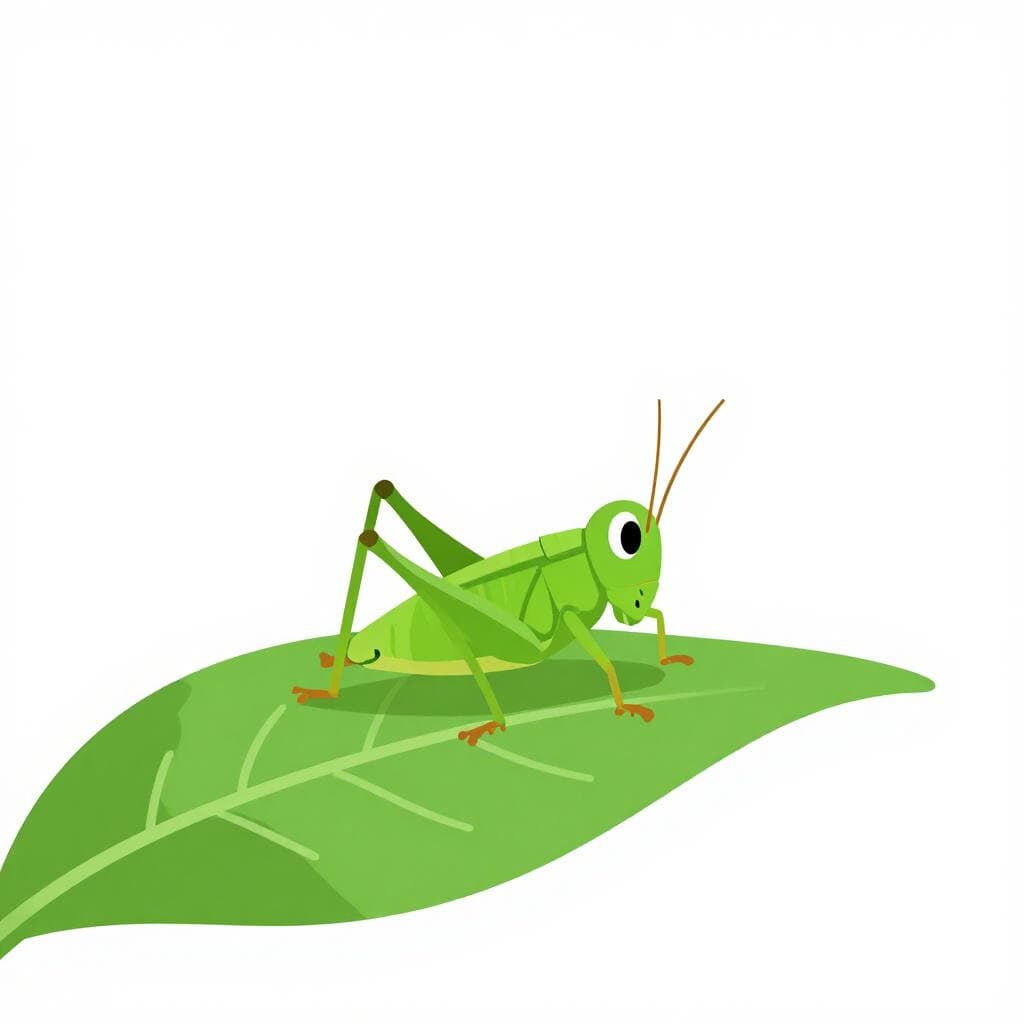


cricket
Also: chirper
📝 In Action
Había un grillo cantando en mi habitación y no me dejaba dormir.
A2There was a cricket chirping in my room and it wouldn't let me sleep.
Los grillos son conocidos por el sonido que hacen con sus alas.
B1Crickets are known for the sound they make with their wings.
El silencio era tal que solo se escuchaba el ruidito de un grillo.
B2The silence was such that only the little noise of a cricket could be heard.
sprout

📝 In Action
No te comas esa patata, que ya le han salido grillos.
B2Don't eat that potato; it has already grown sprouts.
Tengo que plantar estas cebollas porque tienen grillos muy largos.
C1I have to plant these onions because they have very long sprouts.
shackles, fetters

📝 In Action
El prisionero caminaba con dificultad debido a los grillos.
C1The prisoner walked with difficulty because of the shackles.
Antiguamente, ponían grillos a los acusados para que no escaparan.
C2In the old days, they put fetters on the accused so they wouldn't escape.
Translate to Spanish
🗣️ Practice in a Tongue Twister
✏️ Quick Practice
Quick Quiz: grillo
Question 1 of 3
If you find 'grillos' on your potatoes, what should you do?
📚 More Resources
👥 Word Family▼
📚 Etymology▼
From the Latin word 'gryllus,' which was an imitation of the sound the insect makes.
First recorded: 13th century
Cognates (Related words)
💡 Master Spanish
Take your Spanish to the next level. Read 200+ illustrated and narrated Spanish stories tailored to your level with the Inklingo app!
Frequently Asked Questions
Is 'grilla' the female version of 'grillo'?
No. While 'grilla' is used in some countries to mean a 'list' or slang for a 'problem,' it is not used for a female insect. 'Grillo' is a fixed masculine noun.
How do you say 'to chirp' in Spanish?
The most common way is 'cantar' (to sing), but you can also say 'chirriar' or simply 'hacer cri-cri'.
Is 'grillo' the same as 'saltamontes'?
No. A 'grillo' is a cricket (usually black and active at night), while a 'saltamontes' is a grasshopper (usually green/brown and active during the day).