How to Say "slavery" in Spanish
The most common Spanish word for “slavery” is “esclavitud” — use 'esclavitud' to refer to the historical or legal condition of people being owned as property by others.

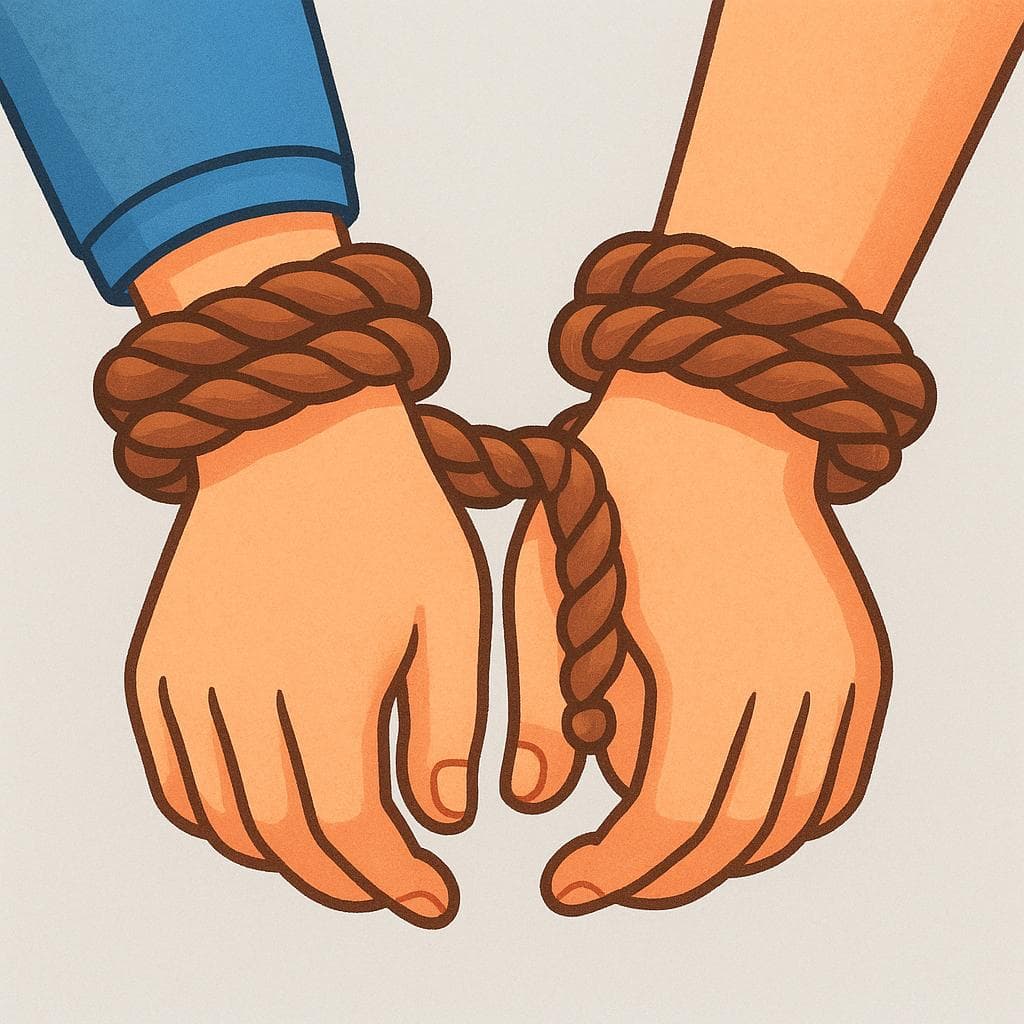
esclavitud
es-klah-bee-toodesklaβiˈtuð

Examples
Muchos países abolieron la esclavitud en el siglo XIX.
Many countries abolished slavery in the 19th century.
Luchar contra la esclavitud es un deber humano.
Fighting against slavery is a human duty.
Este trabajo es una verdadera esclavitud; no tengo tiempo para descansar.
This job is real slavery; I don't have time to rest.
Feminine Ending Pattern
In Spanish, almost all words ending in '-tud' (like salud, actitud, juventud) are feminine. You should always use 'la' or 'una' with this word.
Abstract Concept Usage
When talking about slavery as a general concept, you usually include the article 'la' (e.g., 'La esclavitud es mala') even when English would just say 'Slavery is bad'.
Gender Error
Mistake: “el esclavitud”
Correction: la esclavitud (because words ending in -tud are feminine).
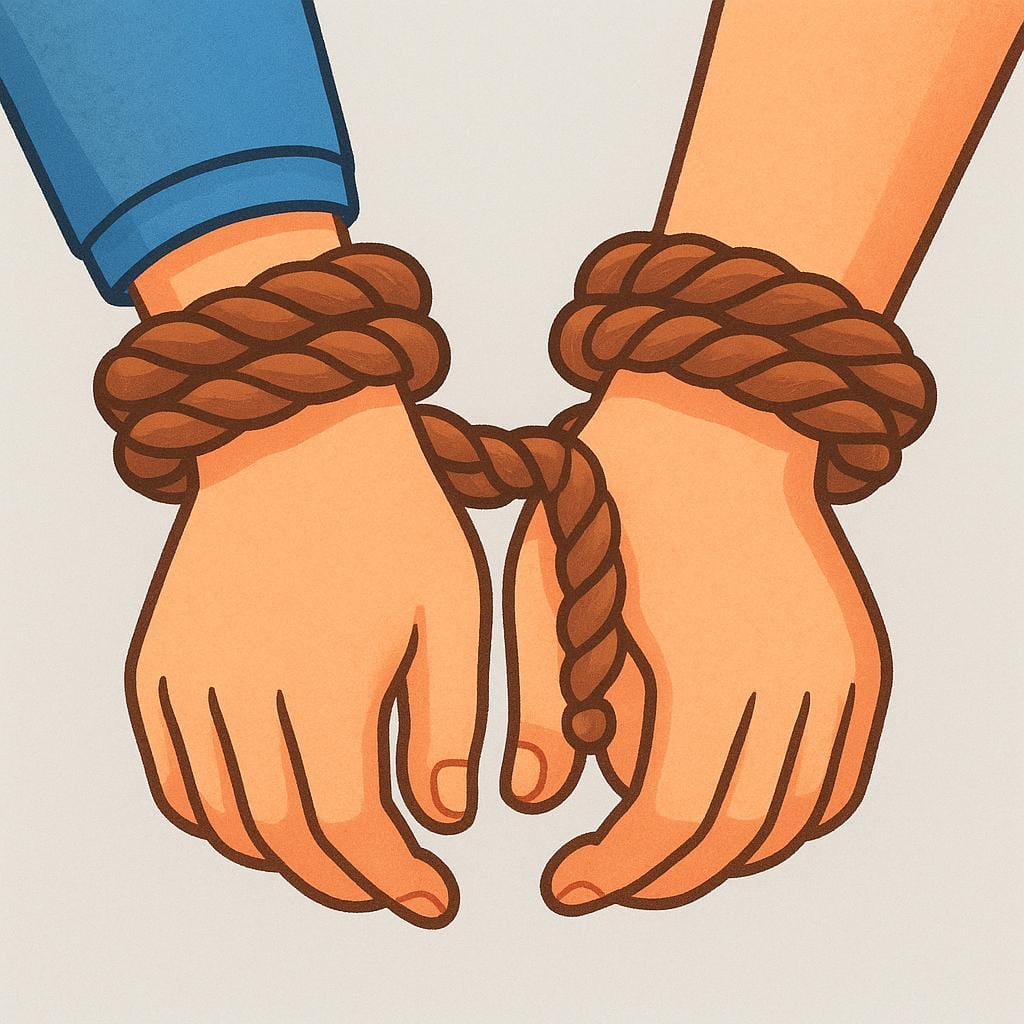
cadenas
kah-DEH-nahskaˈðe.nas
Examples
El pueblo rompió las cadenas de la tiranía.
The people broke the chains of tyranny.
Las cadenas del pasado nos impiden avanzar.
The bonds of the past prevent us from moving forward.
Metaphorical Usage
In this context, 'cadenas' is a powerful metaphor for anything that restricts freedom, whether political, social, or emotional.
Metaphorical vs. Literal Chains
Learn Spanish with Inklingo
Interactive stories, personalized learning, and more.