How to Say "slave" in Spanish
The most common Spanish word for “slave” is “esclavo” — use 'esclavo' when referring to a person who is legally owned by another person and forced to work without pay, especially in contexts like historical slavery in the Americas.
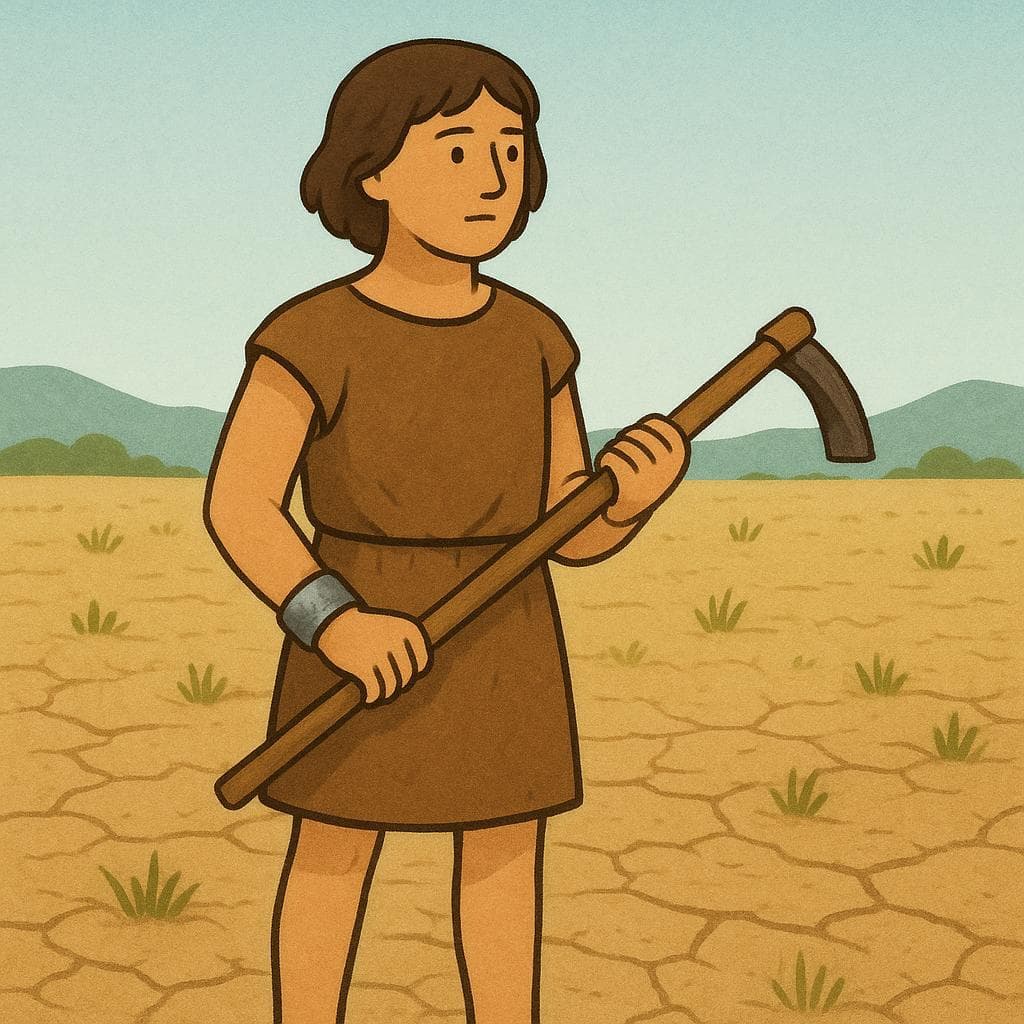

esclavo
ess-CLAH-vohesˈklaβo
Examples
Millones de esclavos fueron transportados a América.
Millions of slaves were transported to America.
El esclavo deseaba su libertad más que nada.
The slave desired his freedom more than anything.
Gender Agreement for People
Since this word refers to a person, its form changes based on the person's gender: 'el esclavo' (the male slave) and 'la esclava' (the female slave).
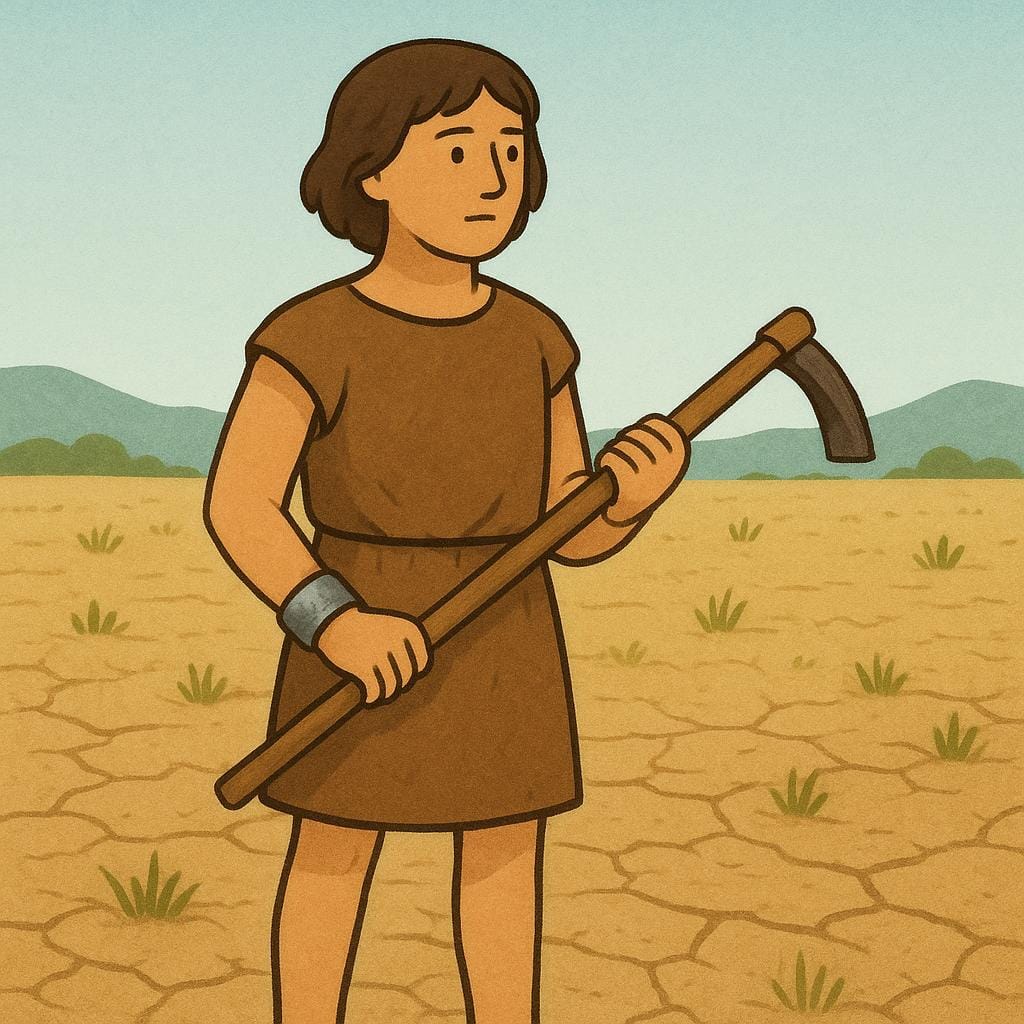
siervo
SYER-boˈsjeɾβo

Examples
En la Edad Media, el siervo trabajaba las tierras del señor feudal.
In the Middle Ages, the serf worked the feudal lord's lands.
Muchos se consideran siervos de Dios.
Many consider themselves servants of God.
No soy siervo de nadie; soy un hombre libre.
I am no one's servant; I am a free man.
Gender and Endings
Since this refers to a person, it ends in 'o' for a male and 'a' (sierva) for a female.
Historical Context
In modern Spanish, we don't use this word for a typical 'employee.' Use 'empleado' or 'sirviente' for household staff.
The 'Deer' Trap
Mistake: “Using 'siervo' when talking about the animal.”
Correction: Use 'ciervo' (with a 'C') for a deer. They sound identical in Latin America!
Esclavo vs. Siervo
Learn Spanish with Inklingo
Interactive stories, personalized learning, and more.