How to Say "sleeping" in Spanish
The most common Spanish word for “sleeping” is “durmiendo” — use 'durmiendo' when you want to emphasize the ongoing action of sleeping, similar to the English '-ing' form.
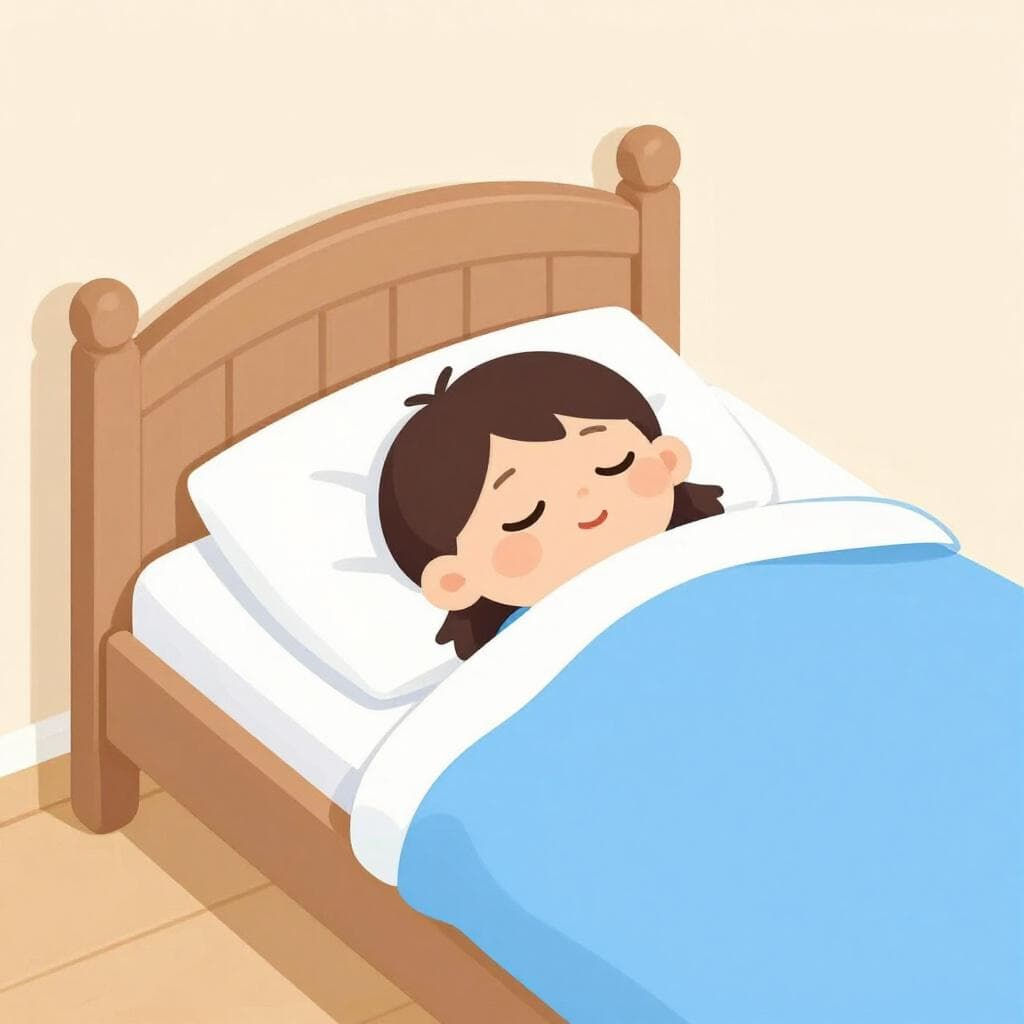

door-mee-EN-dohduɾˈmjendo
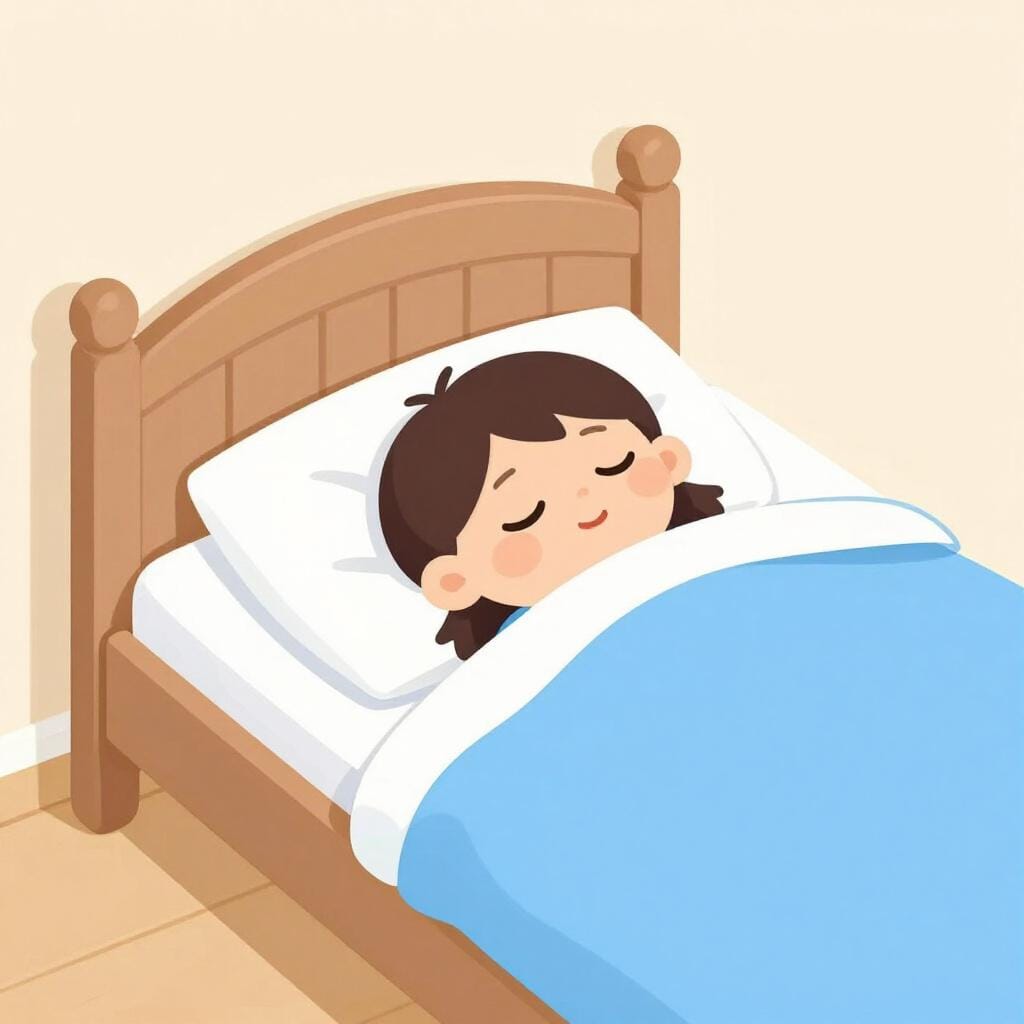
Examples
El bebé está durmiendo en su cuna.
The baby is sleeping in his crib.
El niño está durmiendo profundamente ahora mismo.
The boy is sleeping deeply right now.
Estuve durmiendo casi diez horas este fin de semana.
I was sleeping almost ten hours this weekend.
Ella se cayó de la cama durmiendo.
She fell out of bed while sleeping.
The '-ing' Form
This word is the Spanish way to say 'sleeping' (the '-ing' form). We call it the Verbal Adverb, and you use it to show an action in progress.
Continuous Actions
To say 'I am sleeping,' you must combine 'durmiendo' with a form of 'estar' (to be): 'Estoy durmiendo.' This construction tells us what is happening right now.
Forgetting the Stem Change
Mistake: “Muchos niños están *dormiendo*.”
Correction: Muchos niños están *durmiendo*. The verb 'dormir' is irregular; the 'o' changes to a 'u' in this form, unlike regular verbs.
Using the Infinitive
Mistake: “Yo estoy *dormir*.”
Correction: Yo estoy *durmiendo*. Always use the Verbal Adverb ('durmiendo') after 'estar' to describe current action.
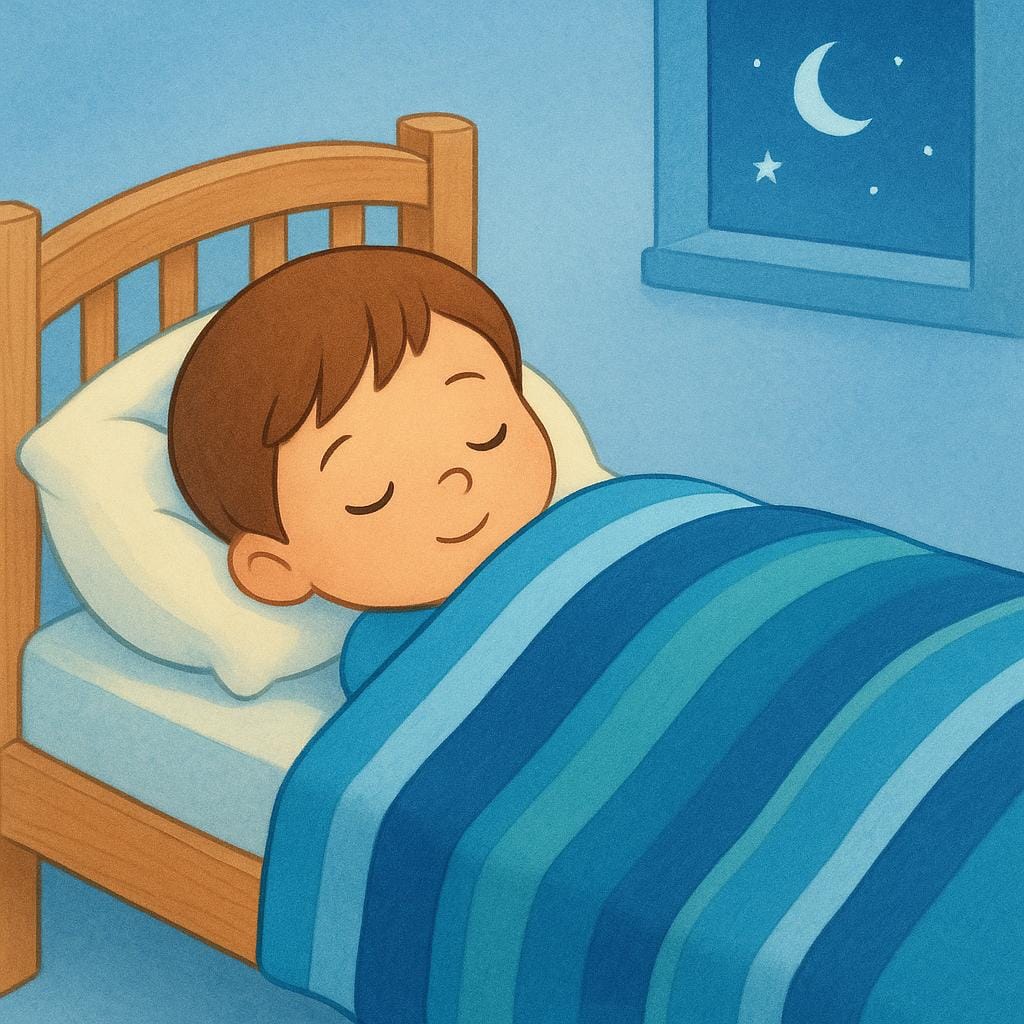
dor-MEE-dohdoɾˈmiðo
Examples
Mi perro está dormido junto a la chimenea.
My dog is asleep next to the fireplace.
Mi hermano pequeño está dormido en el sofá.
My little brother is asleep on the sofa.
¡No me hables, tengo la mano dormida!
Don't talk to me, my hand is numb (asleep)!
El volcán Popocatépetl se considera un volcán dormido.
The Popocatépetl volcano is considered a dormant volcano.
Adjective Agreement
As an adjective, 'dormido' must match the person or thing it describes: 'dormida' (feminine singular), 'dormidos' (masculine plural), 'dormidas' (feminine plural).
Using ESTAR
When talking about someone being asleep right now, use the verb 'estar' (to be in a temporary state), not 'ser' (to be permanent). Example: 'Él está dormido.'
Using SER instead of ESTAR
Mistake: “El niño es dormido.”
Correction: El niño está dormido. You must use 'estar' because being asleep is a temporary state or condition, not a permanent characteristic.
Action vs. State
The most common mistake is using 'dormido' when you mean the ongoing action of sleeping. Remember, 'durmiendo' is for the action in progress (like '-ing'), while 'dormido' describes the state of being asleep.
Related Translations
Learn Spanish with Inklingo
Interactive stories, personalized learning, and more.