How to Say "stain" in Spanish
The most common Spanish word for “stain” is “mancha” — use 'mancha' for a spot or blotch caused by dirt, liquid, or a substance that has discolored a surface.
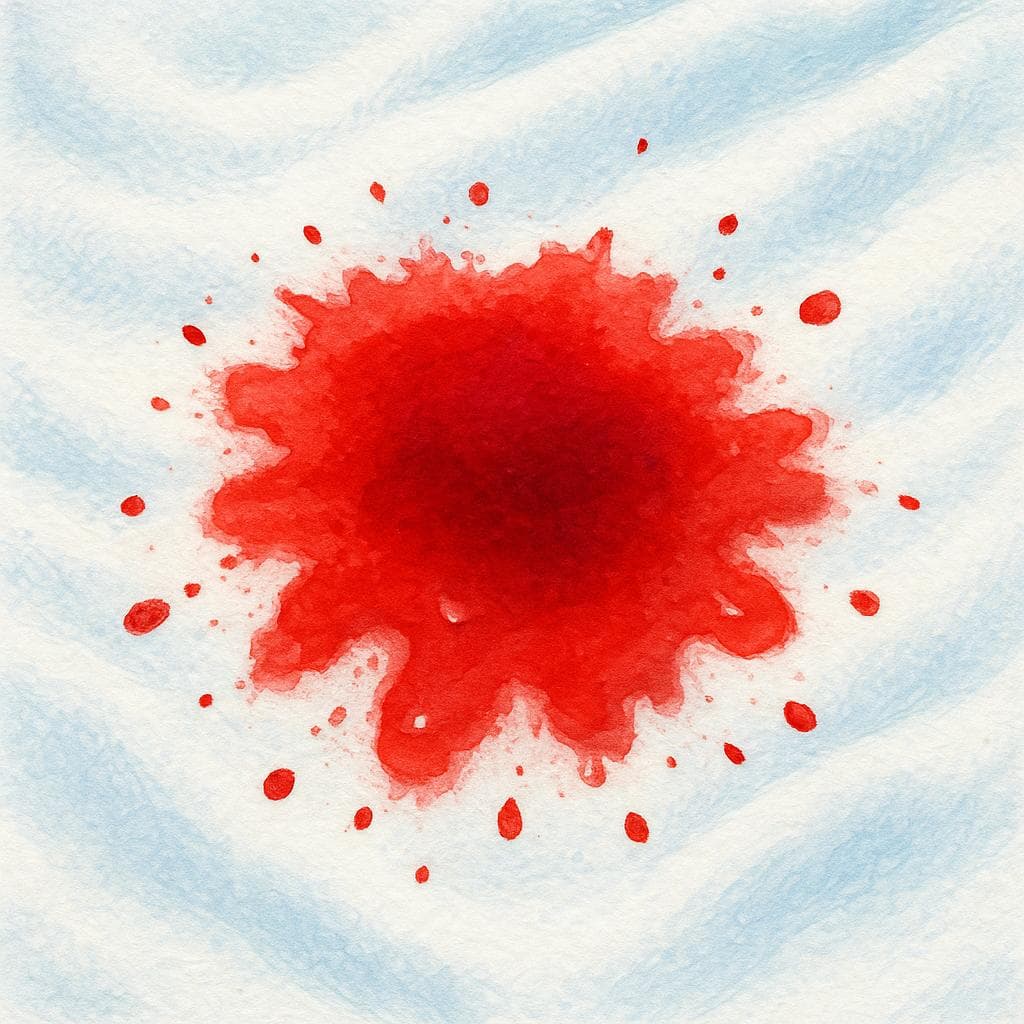
mancha
MAHN-chahˈmanʧa
Examples
Hay una mancha de café en mi camisa.
There is a coffee stain on my shirt.
Necesito quitar esta mancha de vino de la alfombra.
I need to get this wine stain out of the carpet.
Mi camisa blanca tiene una mancha de grasa.
My white shirt has a grease spot on it.
Mi perro siempre mancha el suelo cuando come.
My dog always stains the floor when he eats.
Gender Reminder
Even though 'mancha' ends in '-a', remember that Spanish nouns are either masculine or feminine. 'Mancha' is always feminine, so you must use 'la mancha' or 'una mancha'.
Identifying the Verb
When 'mancha' is used as a verb, it means 'he/she/it stains' (present tense) or it is the informal command telling someone to 'stain' something. Context is key to telling it apart from the noun.
mancha
MAHN-chahˈmanʧa
Examples
Ten cuidado de no manchar la pared con las manos sucias.
Be careful not to stain the wall with your dirty hands.
Necesito quitar esta mancha de vino de la alfombra.
I need to get this wine stain out of the carpet.
Mi camisa blanca tiene una mancha de grasa.
My white shirt has a grease spot on it.
Mi perro siempre mancha el suelo cuando come.
My dog always stains the floor when he eats.
Gender Reminder
Even though 'mancha' ends in '-a', remember that Spanish nouns are either masculine or feminine. 'Mancha' is always feminine, so you must use 'la mancha' or 'una mancha'.
Identifying the Verb
When 'mancha' is used as a verb, it means 'he/she/it stains' (present tense) or it is the informal command telling someone to 'stain' something. Context is key to telling it apart from the noun.
marca
MAR-cahˈmaɾka
Examples
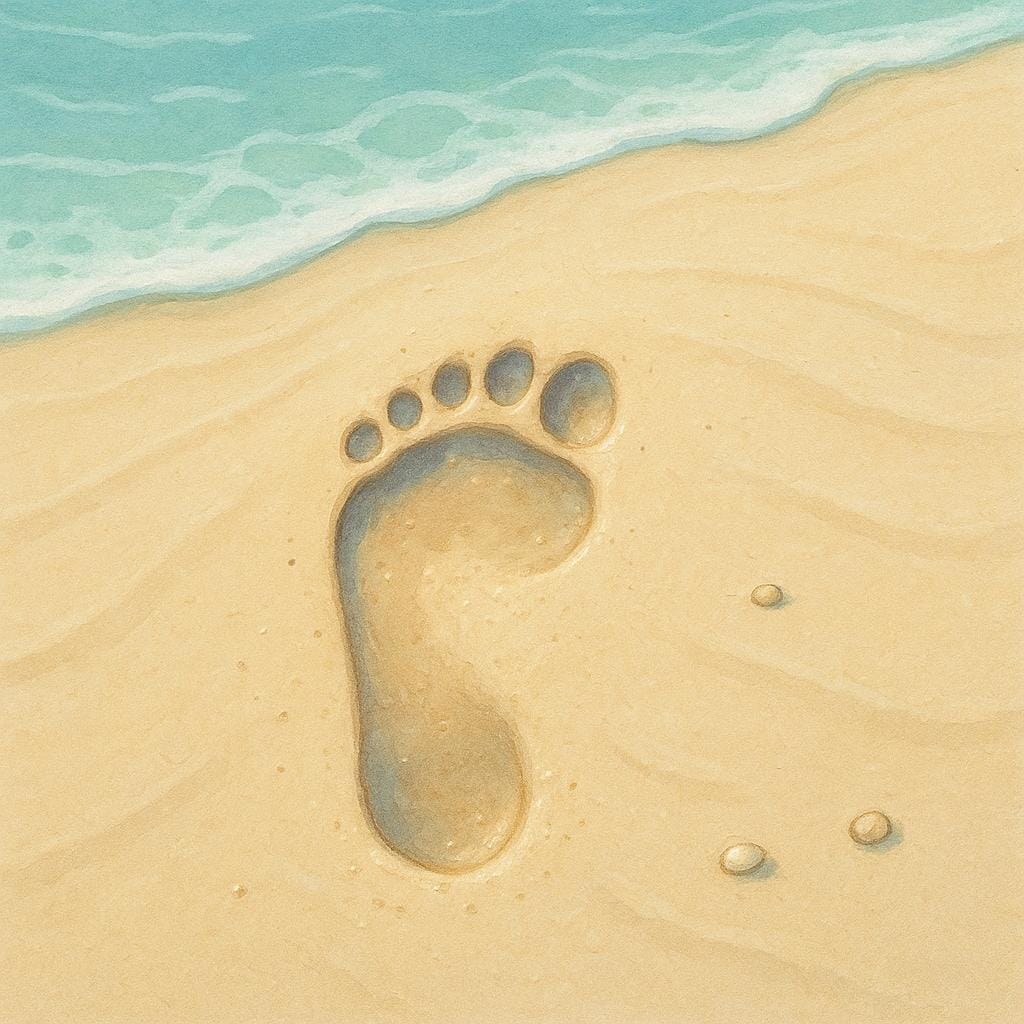
El mueble dejó una marca en el suelo cuando lo movimos.
The furniture left a mark on the floor when we moved it.
Hay una marca de zapato en el suelo.
There is a shoe mark on the floor.
Su caída dejó una pequeña marca en la rodilla.
His fall left a small mark (scar) on his knee.
Necesitas hacer una marca con lápiz antes de cortar.
You need to make a mark with a pencil before cutting.
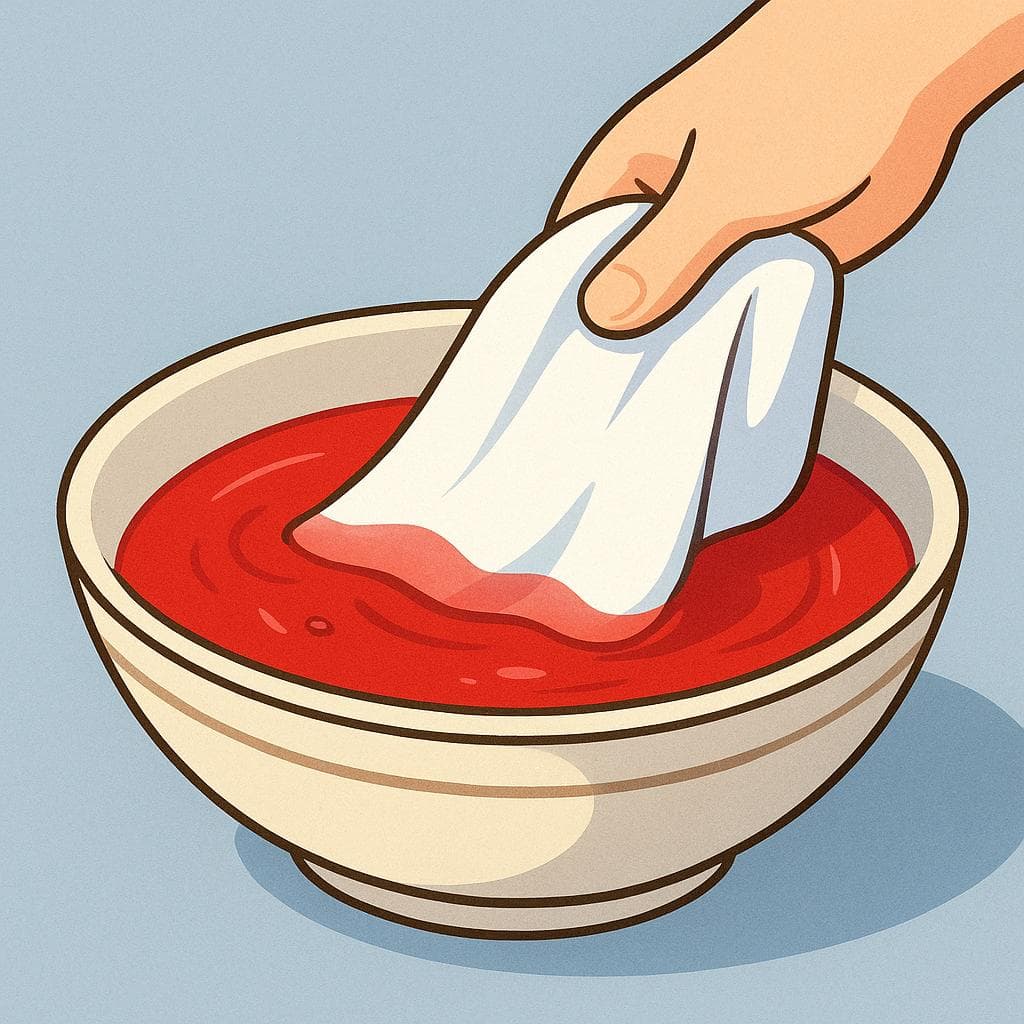
tinta
teen-tahˈtinta
Examples
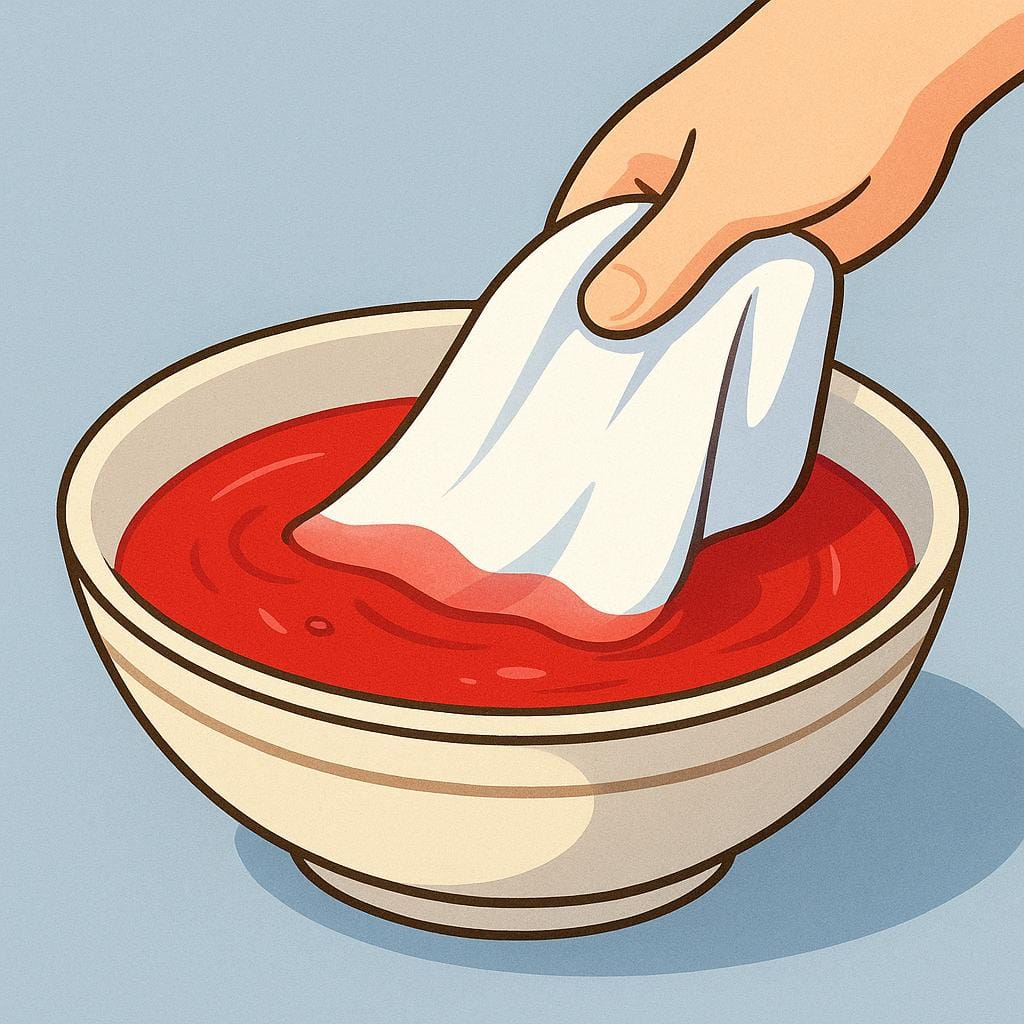
Necesito comprar tinta para teñir la madera de mis muebles.
I need to buy ink/dye to color the wood of my furniture.
El peluquero me aplicó una tinta temporal para cambiar el tono de mi cabello.
The hairdresser applied a temporary dye to change the shade of my hair.
La fábrica utiliza tintas vegetales para teñir las camisetas.
The factory uses vegetable dyes to color the t-shirts.
La prensa le ha echado mala tinta por sus comentarios recientes.
The press has given him a bad reputation (literally: 'thrown bad ink') for his recent comments.
tinta
teen-tahˈtinta
Examples
Se rumorea que el político tiene mala tinta entre sus colegas.
It is rumored that the politician has a bad reputation among his colleagues.
El peluquero me aplicó una tinta temporal para cambiar el tono de mi cabello.
The hairdresser applied a temporary dye to change the shade of my hair.
La fábrica utiliza tintas vegetales para teñir las camisetas.
The factory uses vegetable dyes to color the t-shirts.
La prensa le ha echado mala tinta por sus comentarios recientes.
The press has given him a bad reputation (literally: 'thrown bad ink') for his recent comments.
Mancha vs. Marca
Related Translations
Learn Spanish with Inklingo
Interactive stories, personalized learning, and more.