How to Say "stains" in Spanish
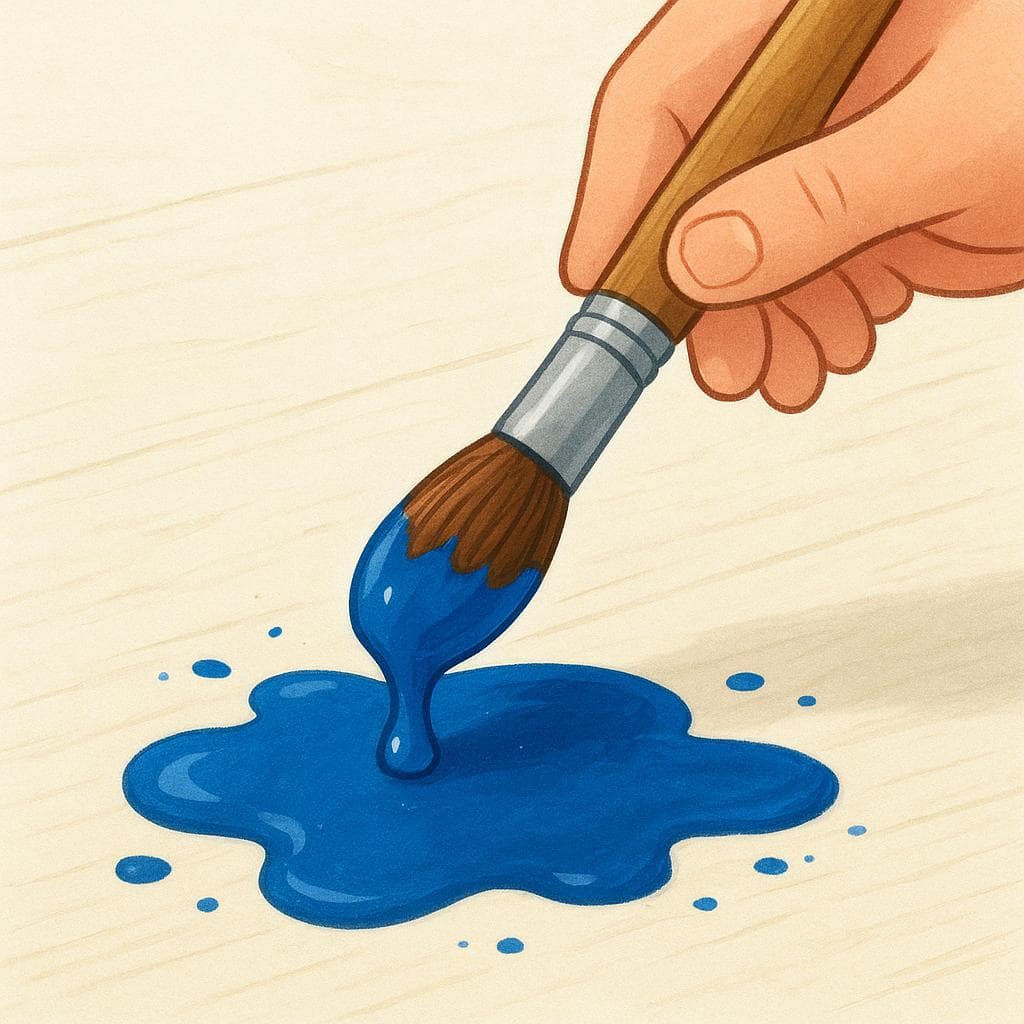
The most common Spanish word for “stains” is “mancha” — use 'mancha' as a verb when referring to the action of something causing a discoloration or spot on a surface.
mancha
MAHN-chahˈmanʧa
Examples
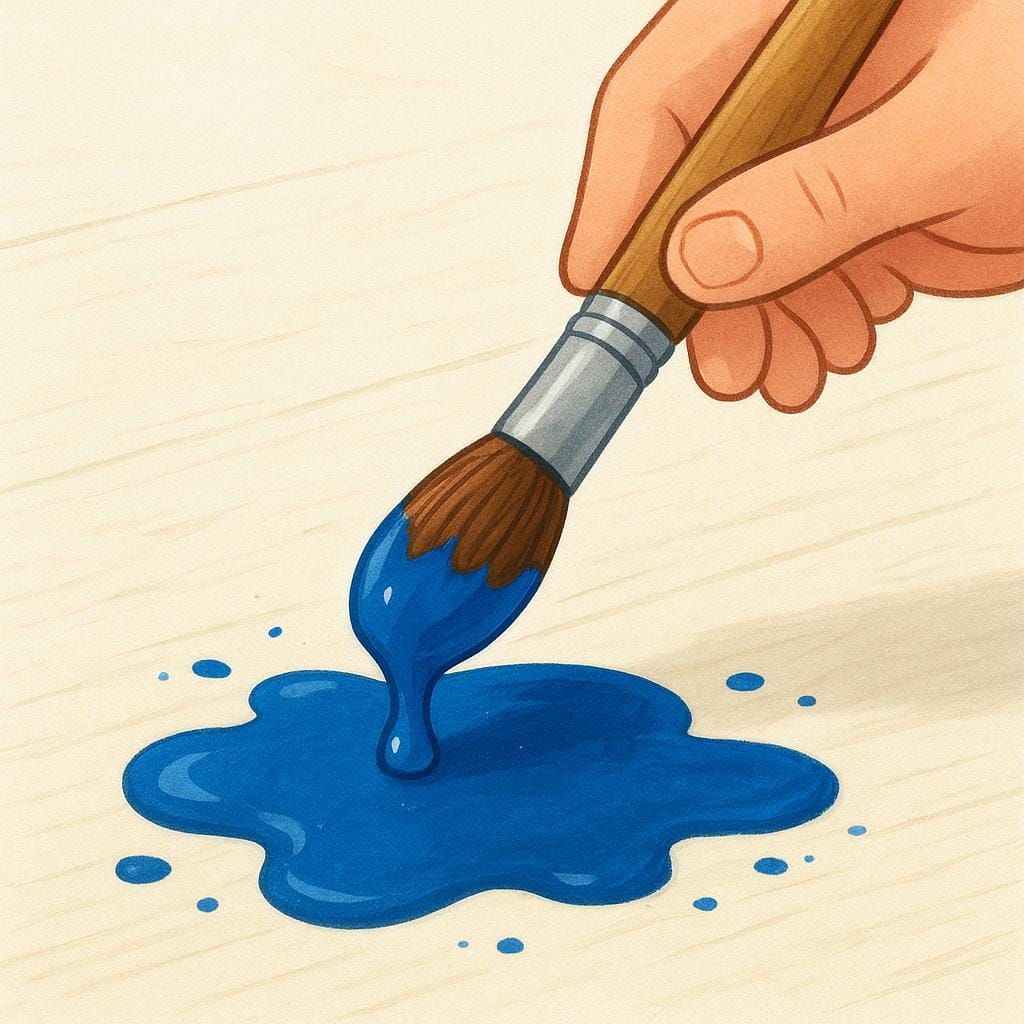
Mi perro siempre mancha el suelo cuando come.
My dog always stains the floor when he eats.
Señora, por favor, no mancha esta tela.
Madam, please, do not stain this fabric. (Formal negative command)
Identifying the Verb
When 'mancha' is used as a verb, it means 'he/she/it stains' (present tense) or it is the informal command telling someone to 'stain' something. Context is key to telling it apart from the noun.
marcas
MAHR-kahsˈmaɾkas
Examples
Hay muchas marcas de coches en el mundo.
There are many car brands in the world.
Las marcas de zapatos se borraron de la arena.
The shoe marks were erased from the sand.
El equipo rompió todas las marcas en la natación.
The team broke all the records (marks) in swimming.
Gender and Number
As the plural form of the feminine noun 'marca,' you must use feminine articles and adjectives with it (e.g., 'las buenas marcas').
Confusing Noun and Verb
Mistake: “Using 'marcas' (noun) when the verb 'tú marcas' is needed in a sentence.”
Correction: Remember the noun usually needs an article (las marcas), while the verb does not (tú marcas).
Verb vs. Noun Confusion
Learn Spanish with Inklingo
Interactive stories, personalized learning, and more.