How to Say "strain" in Spanish
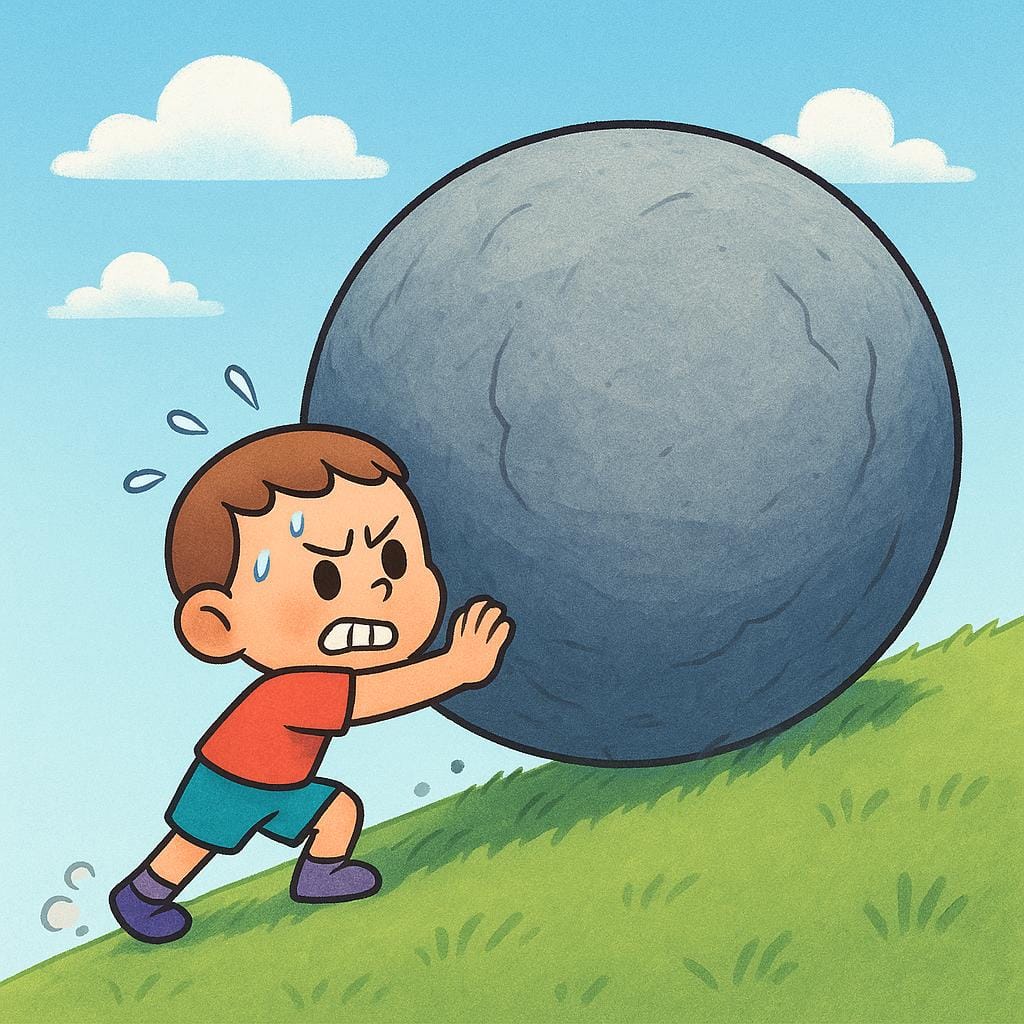
The most common Spanish word for “strain” is “esfuerzo” — use 'esfuerzo' when referring to a physical exertion or a significant mental or emotional effort made to achieve something.
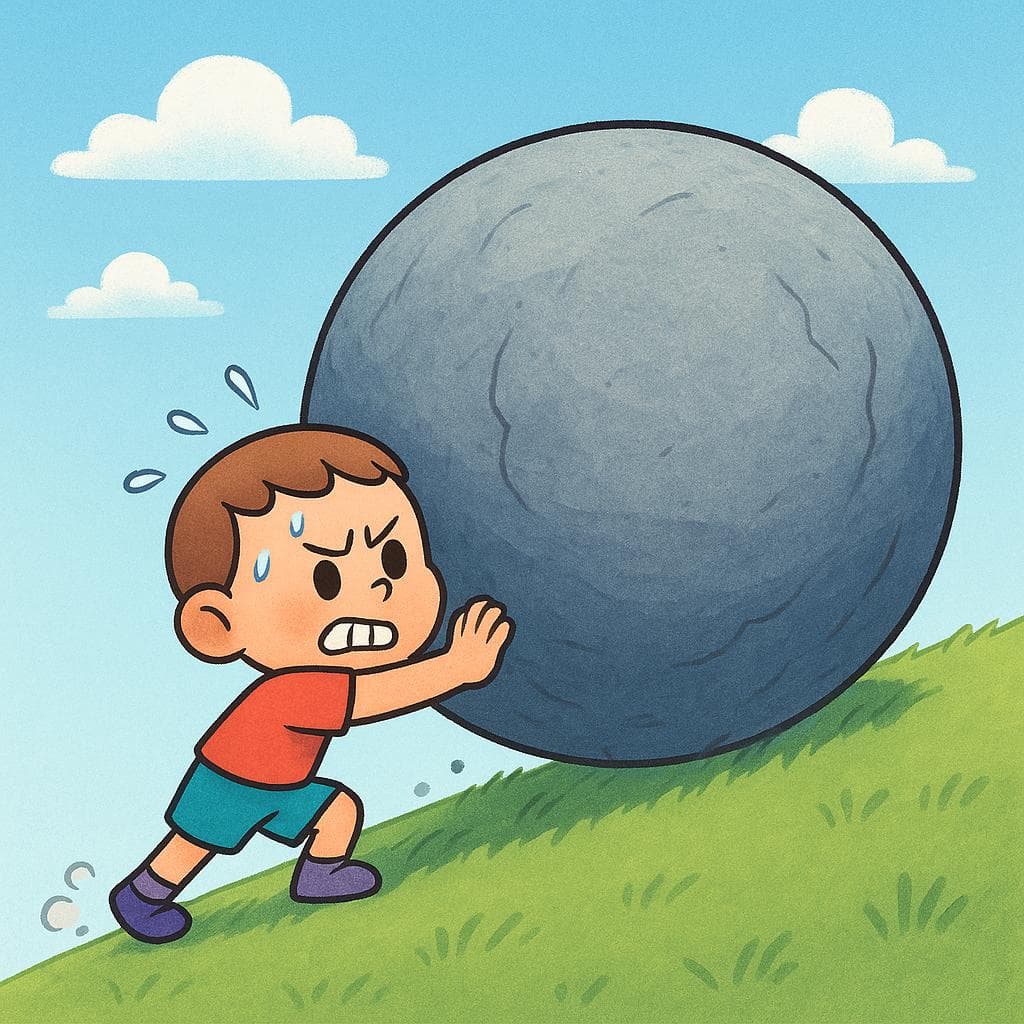
esfuerzo
es-FWEHR-sohesˈfweɾso
Examples
Hicimos un gran esfuerzo para terminar el proyecto a tiempo.
We made a great effort to finish the project on time.
Con mucho esfuerzo, logró levantar la caja pesada.
With a lot of exertion, he managed to lift the heavy box.
Su esfuerzo constante en los estudios dio frutos.
Her constant endeavor in her studies paid off.
The 'hacer' connection
In Spanish, we usually 'make' effort, using the verb 'hacer' (to do/make). So, 'I made an effort' is 'Hice un esfuerzo.' This is the most common way to use it.
Confusing Noun and Verb
Mistake: “Yo esfuerzo mucho.”
Correction: Yo hago mucho esfuerzo (I make a lot of effort) or Yo me esfuerzo mucho (I exert myself a lot). Remember 'esfuerzo' is the noun (the thing), not the action itself.
estrés
Examples
Tengo mucho estrés por los exámenes finales.
I have a lot of stress because of final exams.
tensión
Examples
Sufrió una tensión en los isquiotibiales mientras corría.
He suffered a strain in his hamstrings while running.
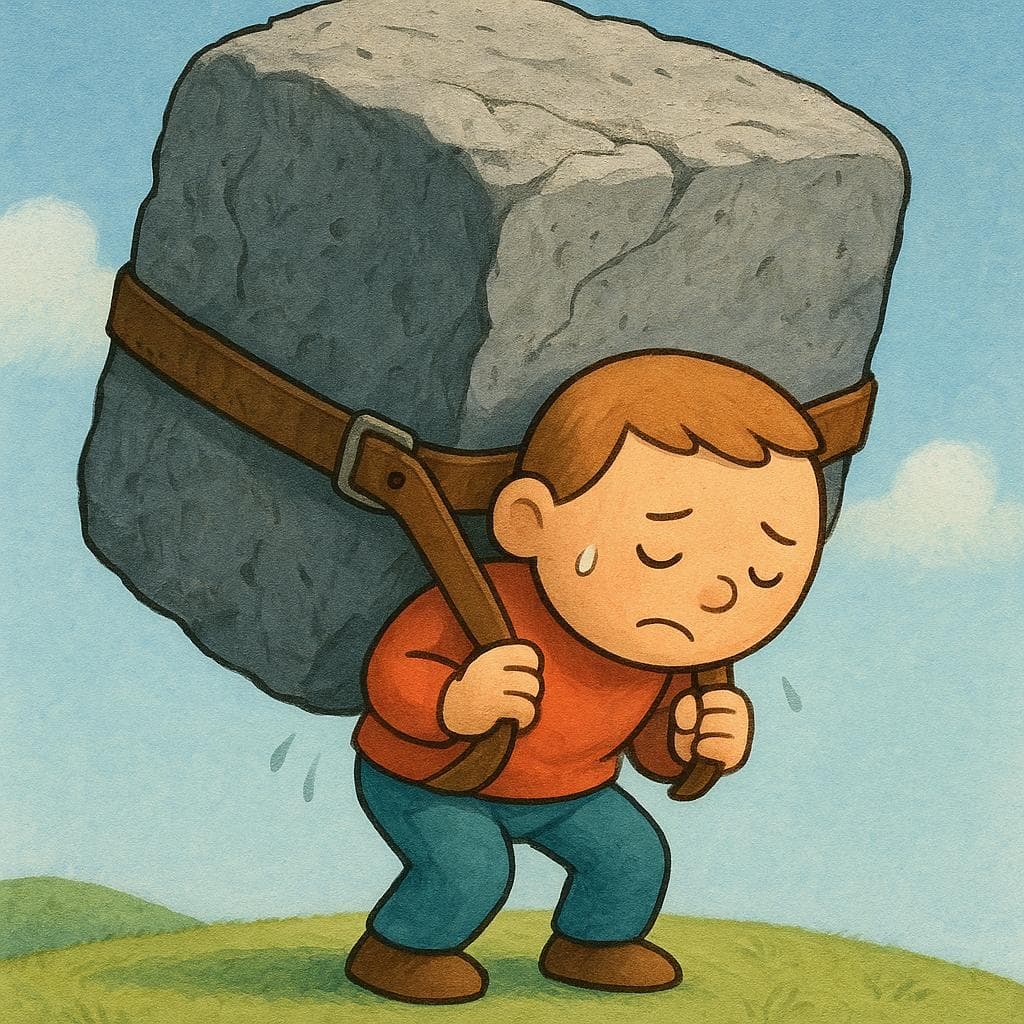
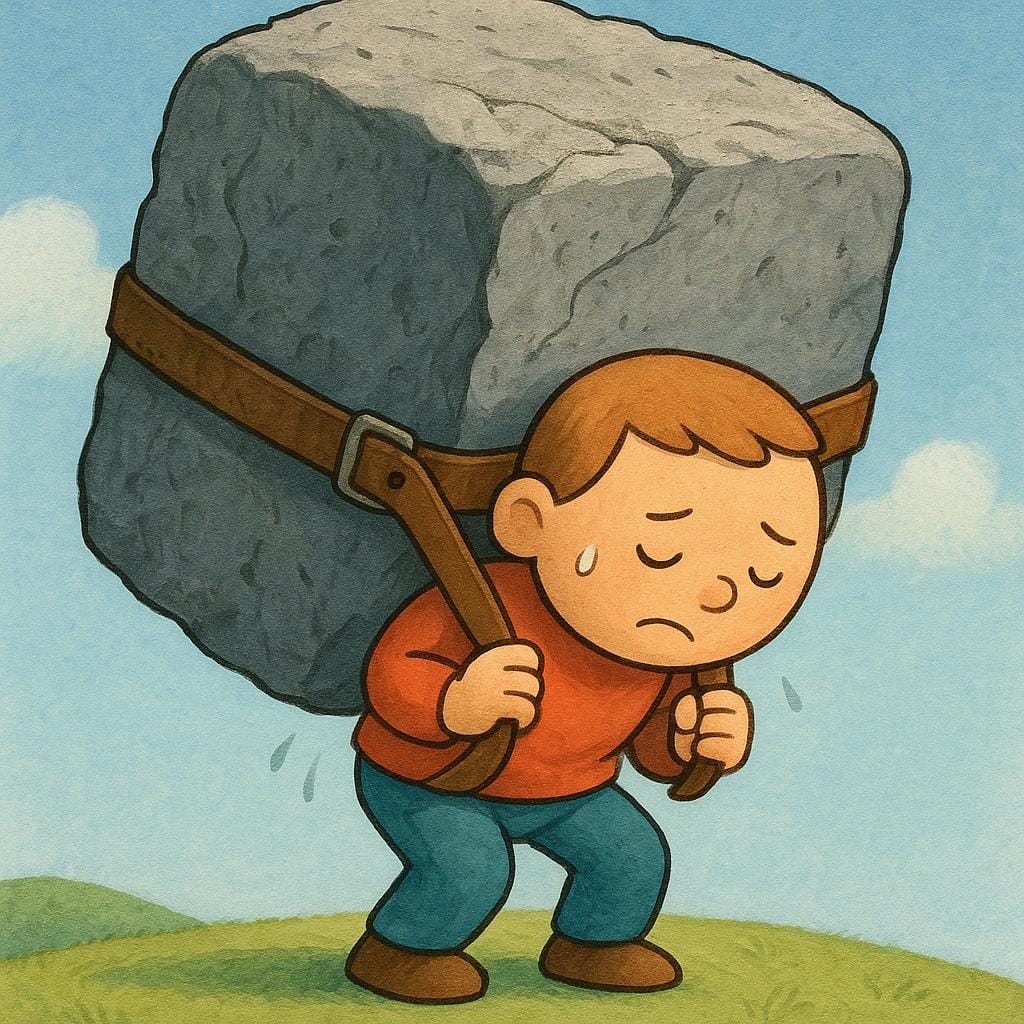
carga
KAR-gahˈkaɾ.ɣa
Examples
La carga de trabajo es insoportable este mes.
The workload (burden) is unbearable this month.
Ella sintió una gran carga de culpa después del accidente.
She felt a great burden of guilt after the accident.
Effort vs. Stress
Learn Spanish with Inklingo
Interactive stories, personalized learning, and more.