How to Say "sunken" in Spanish
The most common Spanish word for “sunken” is “sumergido” — use 'sumergido' when referring to something that has gone down below the surface of water or another liquid.

sumergido
soo-mer-HEE-dohsumerˈxiðo
Examples
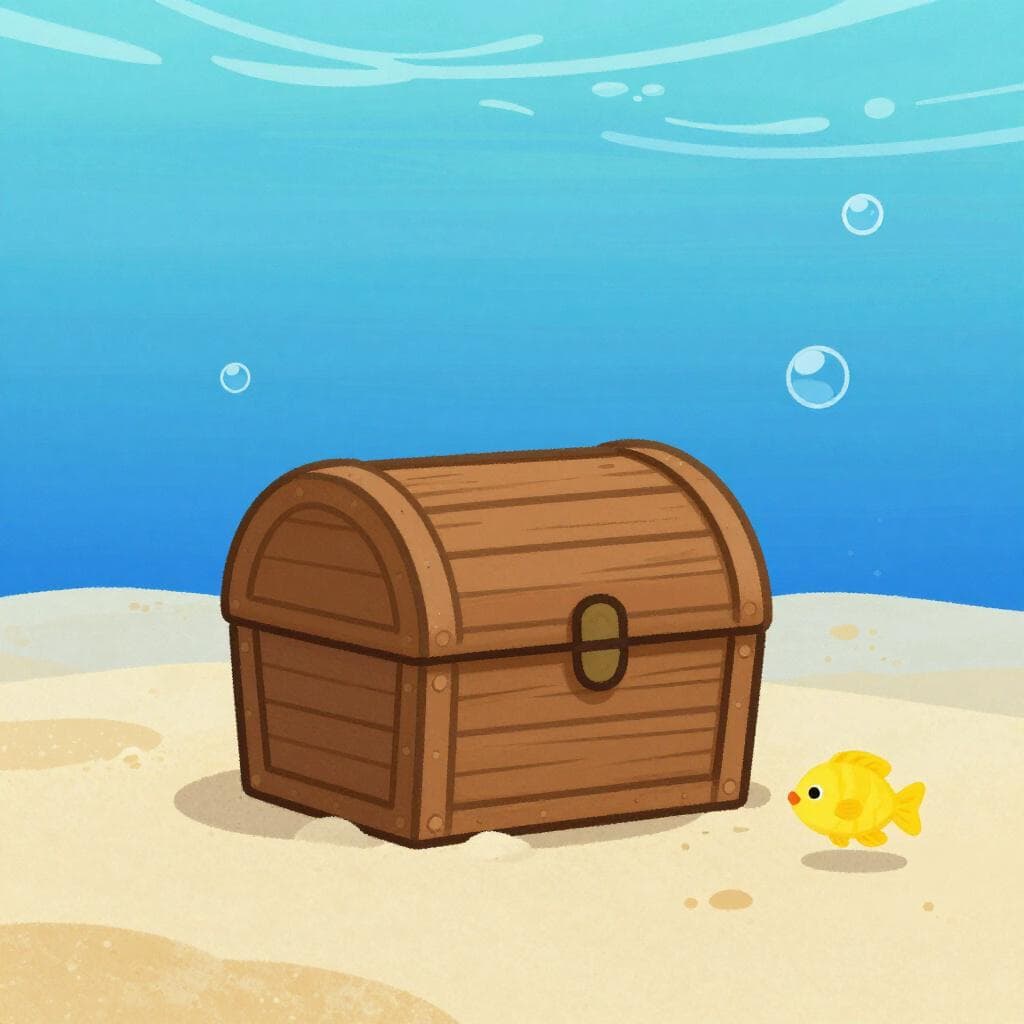
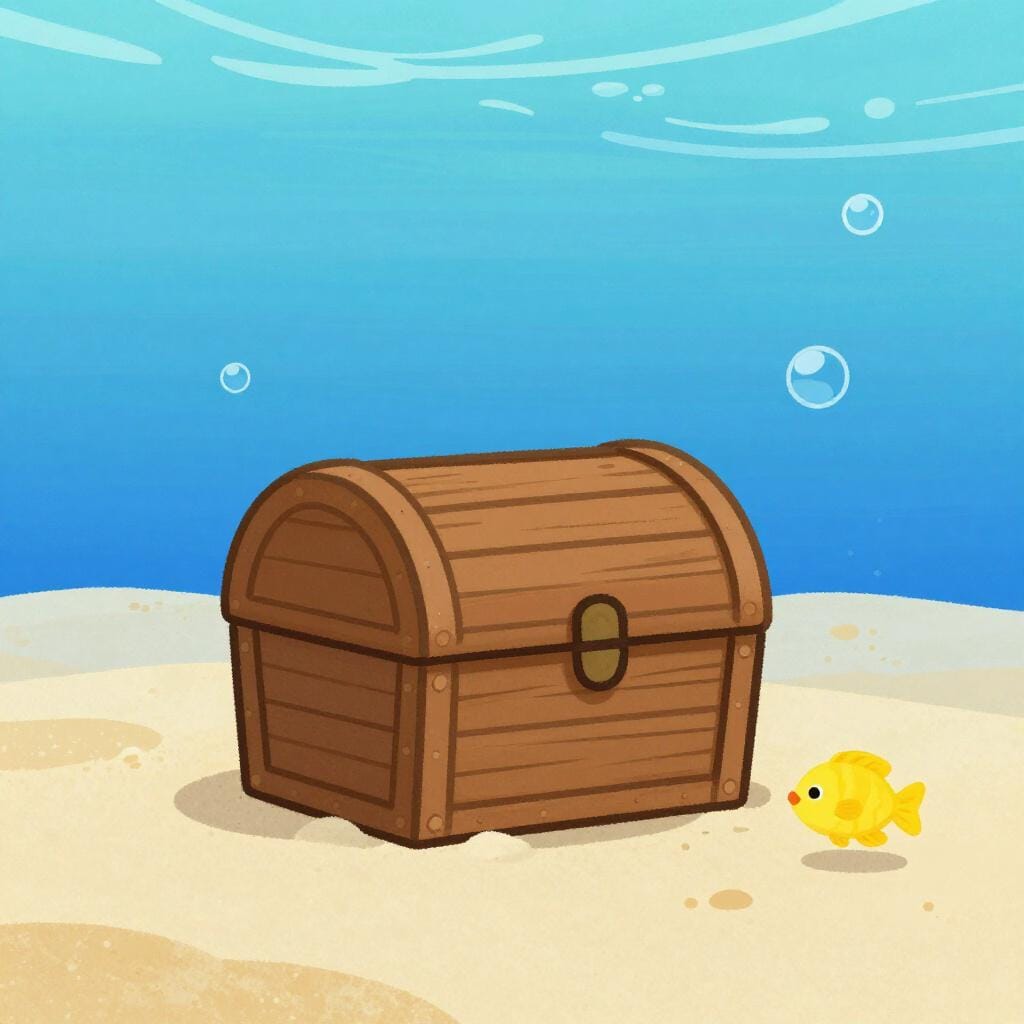
El tesoro perdido ha estado sumergido en el océano durante siglos.
The lost treasure has been sunken in the ocean for centuries.
El barco ha estado sumergido durante cien años.
The ship has been submerged for a hundred years.
Juan está sumergido en la lectura de su nueva novela.
Juan is immersed in reading his new novel.
Muchos países luchan contra la economía sumergida.
Many countries fight against the underground economy.
Matching the Noun
Because this word describes a thing, it must match: use 'sumergido' for a boy/masculine thing, 'sumergida' for a girl/feminine thing, and add an 's' for plurals.
The 'State' Word
We usually use this with the verb 'estar' (to be) because being underwater or focused is usually a temporary state or result of an action.
Using the wrong 'to be'
Mistake: “El barco es sumergido.”
Correction: El barco está sumergido. We use 'está' because we are describing the current condition of the boat, not its permanent identity.
deprimido
deh-pree-MEE-dohde.pɾiˈmi.ðo

Examples
El coche se atascó en un camino deprimido después de la tormenta.
The car got stuck in a sunken path after the storm.
El terreno deprimido se llena de agua cuando llueve.
The low-lying ground fills with water when it rains.
Hay una cicatriz deprimida en su frente.
There is a sunken scar on his forehead.
Describing Physical Features
In this context, 'deprimido' describes a physical attribute of a surface or area, meaning it is lower or hollowed out compared to its surroundings.
Sunken Land vs. Sunken Object
Related Translations
Learn Spanish with Inklingo
Interactive stories, personalized learning, and more.