How to Say "tidying up" in Spanish
The most common Spanish word for “tidying up” is “recogiendo” — use 'recogiendo' when the focus is on gathering scattered items and putting them back in their proper places, like clearing a table after a meal or picking up toys.

Use 'recogiendo' when the focus is on gathering scattered items and putting them back in their proper places, like clearing a table after a meal or picking up toys.
Learn more →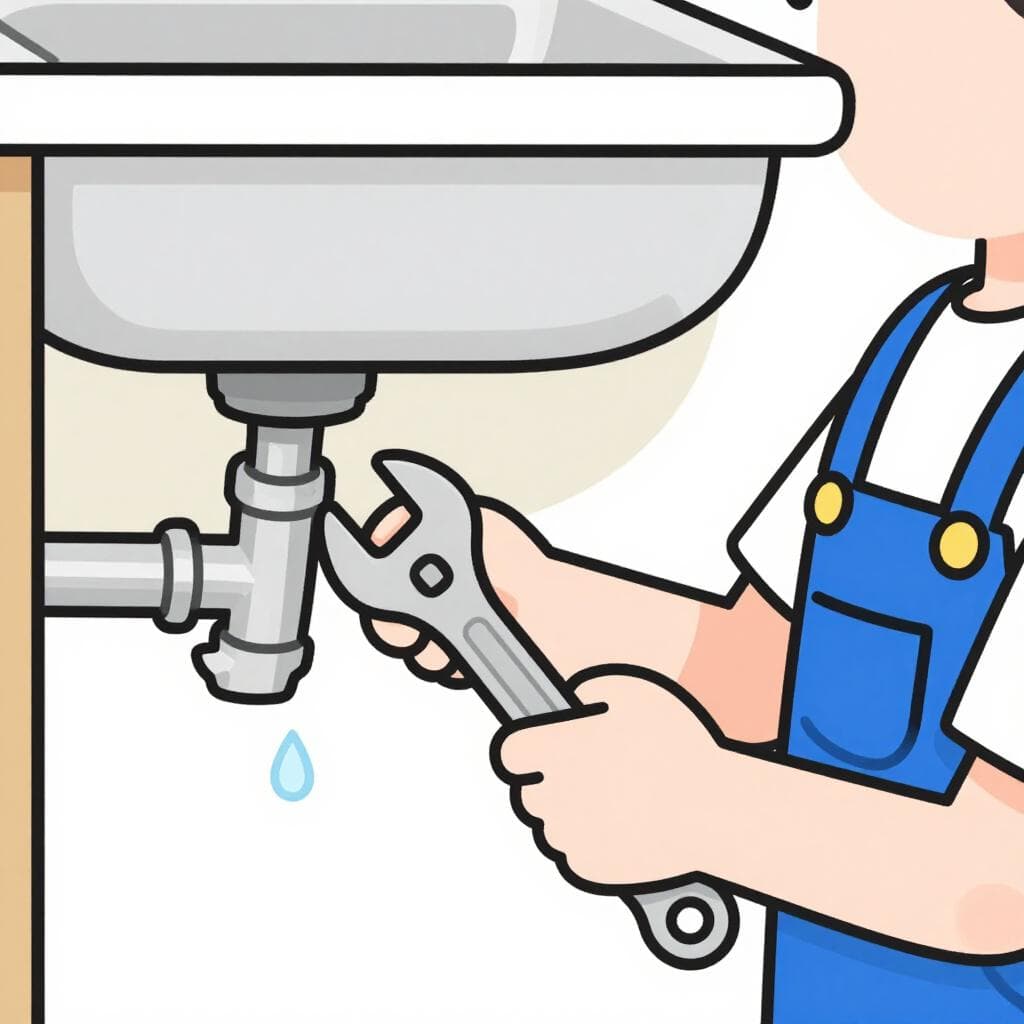
Use 'arreglando' when 'tidying up' implies organizing or fixing something that is out of order or not working correctly, such as tidying up your computer files or arranging furniture.
Learn more →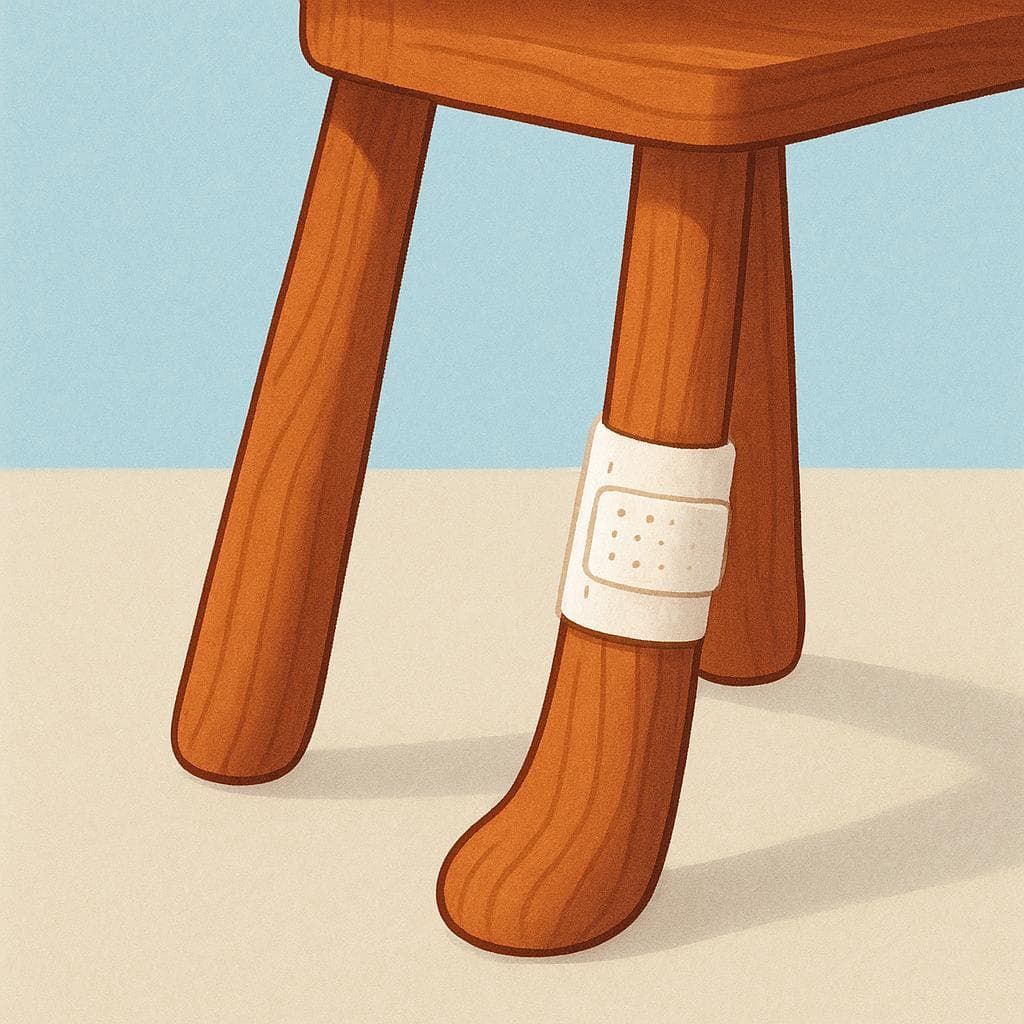
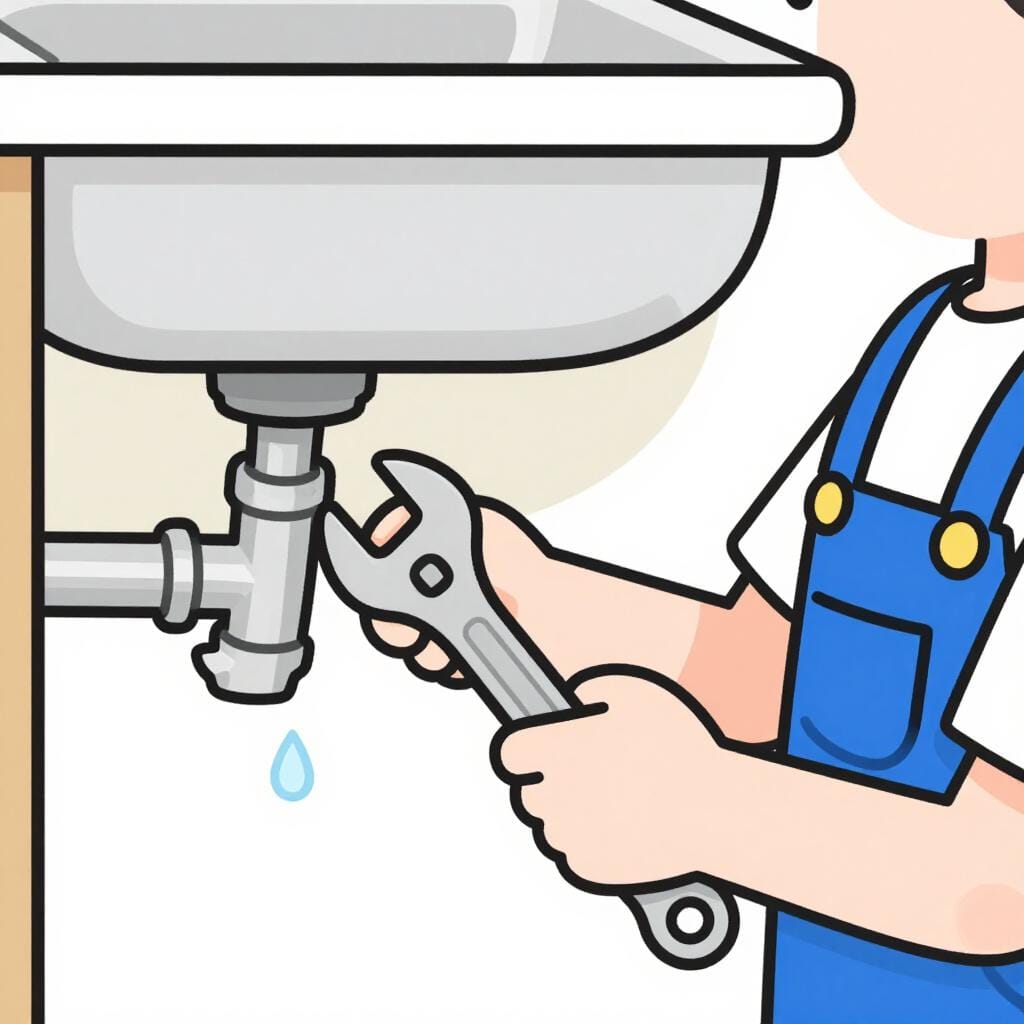
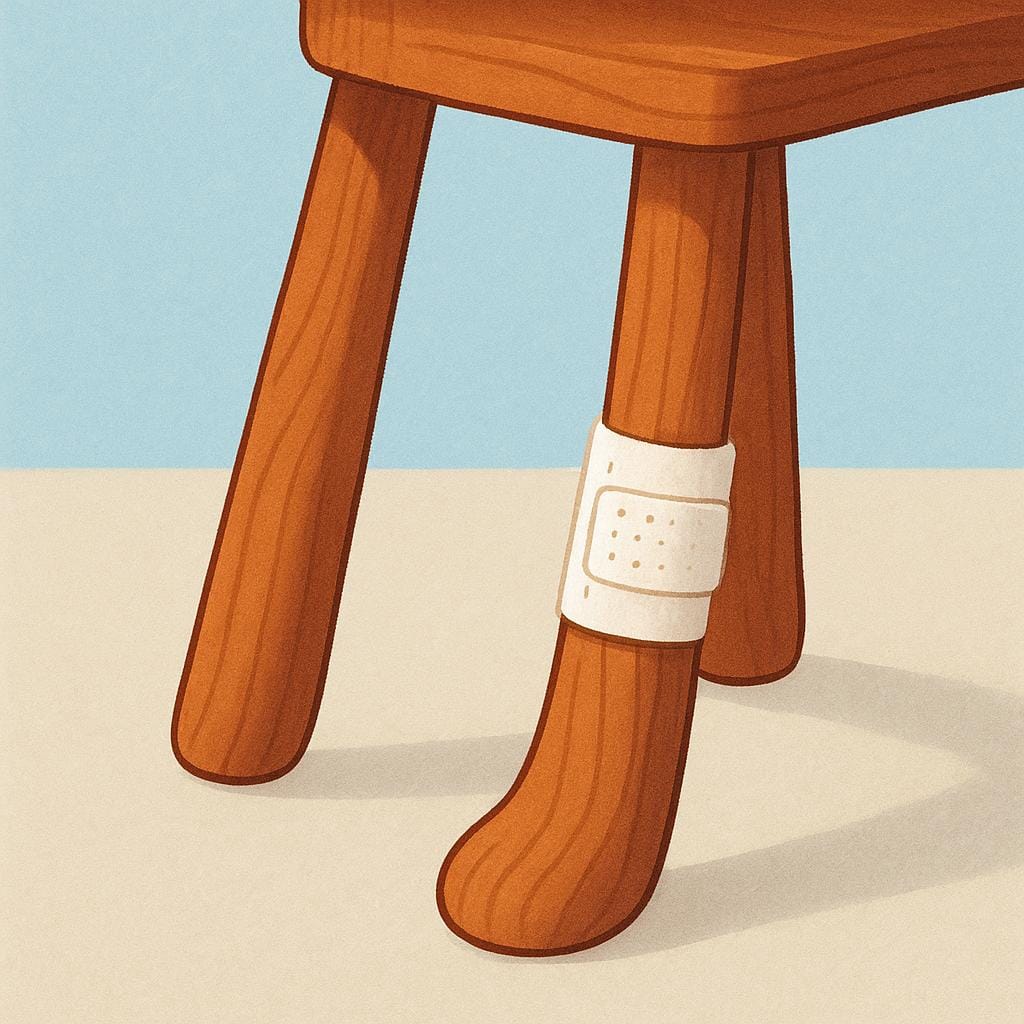
Use the noun 'arreglo' when referring to the act or result of tidying up or repairing something, often in a more formal or technical context like a repair job.
Learn more →re-ko-HYEN-dorekoˈxjendo

Examples
Después de la fiesta, todos ayudaron recogiendo las botellas y los vasos.
After the party, everyone helped by picking up the bottles and glasses.
Termina de comer y ayuda recogiendo la mesa.
Finish eating and help by clearing the table.
Estamos recogiendo la casa porque viene visita.
We are tidying up the house because guests are coming.
ah-ray-GLAHN-dohareˈɣlando
Examples
Estoy arreglando mi habitación porque está muy desordenada.
I am tidying up my room because it is very messy.
Estoy arreglando mi computadora porque no funciona.
I am fixing my computer because it's not working.
Estamos arreglando la sala para la fiesta.
We are tidying up the living room for the party.
Él está arreglando el problema con su jefe.
He is sorting out the problem with his boss.
The '-ing' Form
In Spanish, words ending in '-ando' are like the English '-ing.' Use it with the verb 'estar' (to be) to show an action is happening right now.
Don't use it as a noun
Mistake: “Arreglando es difícil.”
Correction: Arreglar es difícil. (In Spanish, use the base form of the verb, not the -ando form, when the verb is the subject of the sentence).
ah-rreh-gloaˈrreɣlo
Examples
El mecánico hizo un buen arreglo del motor.
The mechanic did a good repair of the engine.
Necesito llevar mi coche al taller para el arreglo de los frenos.
I need to take my car to the shop for the repair of the brakes.
¿Puedes hacer un arreglo rápido a esta falda?
Can you make a quick fix (or mend) to this skirt?
Después del arreglo, la casa se veía mucho mejor.
After tidying up, the house looked much better.
Masculine Noun
Even though it ends in '-o', remember that 'arreglo' is always masculine, using 'el' or 'un'.
Using 'arreglar' instead of 'arreglo'
Mistake: “Hice la arreglar de la bici.”
Correction: Hice el arreglo de la bici. ('Arreglar' is the verb 'to fix'; 'arreglo' is the noun 'the fix/repair'.)
Verb vs. Noun for 'Tidying Up'
The most common mistake is using the noun 'arreglo' when you mean the action of tidying up. Remember, 'arreglando' and 'recogiendo' are verbs describing the action, while 'arreglo' is a noun referring to the repair or the state of being tidied.
Related Translations
Learn Spanish with Inklingo
Interactive stories, personalized learning, and more.