How to Say "fix" in Spanish
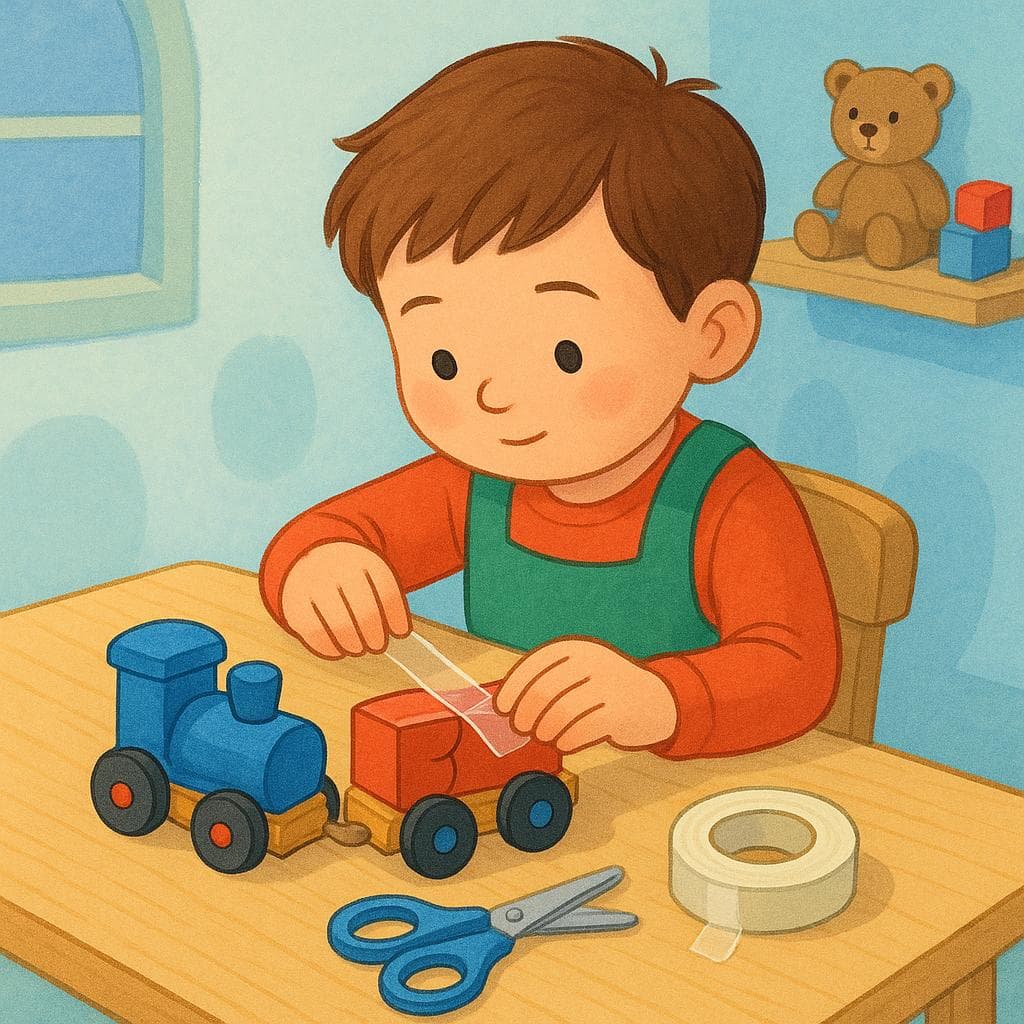
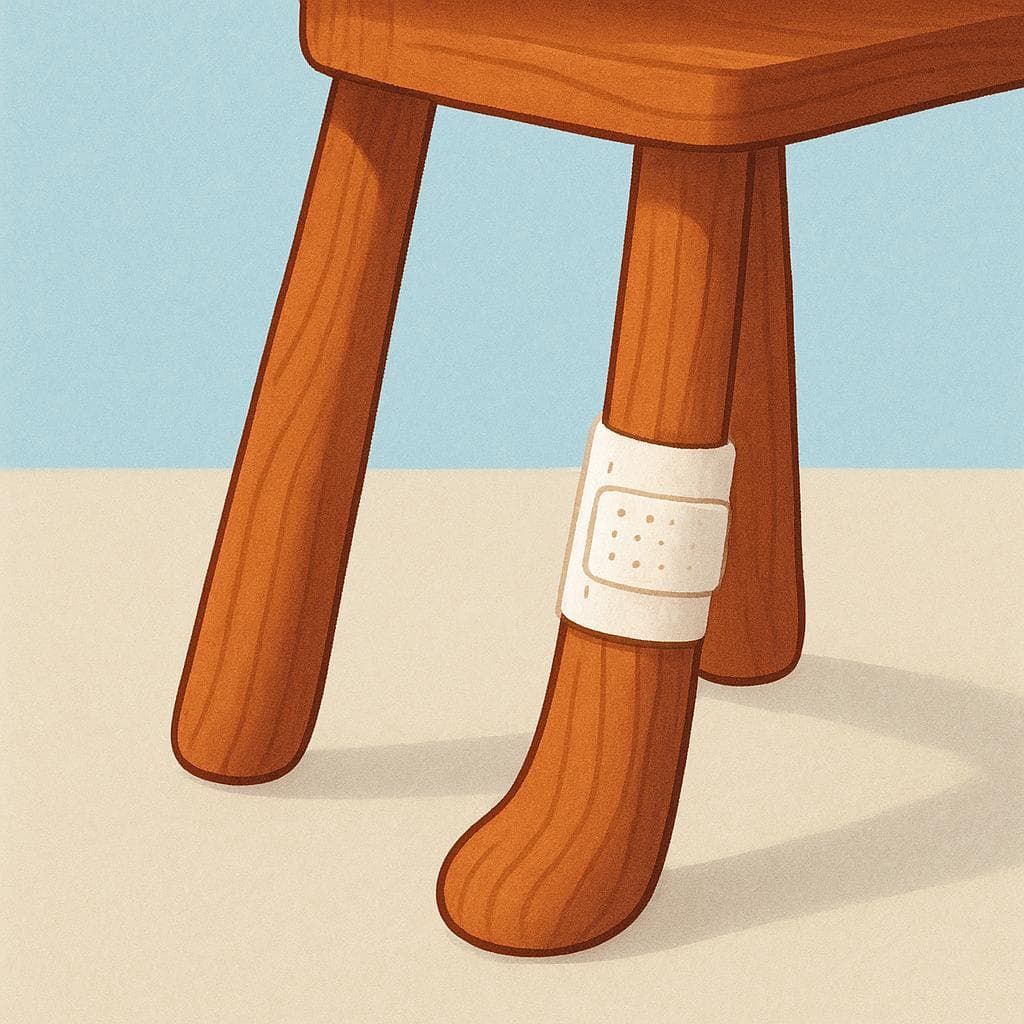
The most common Spanish word for “fix” is “arreglar” — use this verb when you need to repair or mend something that is broken or not working correctly.


arreglar
ah-rreh-GLAHRarreˈɣlaɾ
Examples
Mi ordenador está roto, necesito arreglarlo.
My computer is broken, I need to fix it.
Necesito arreglar la puerta del garaje. Está caída.
I need to fix the garage door. It has fallen down.
Mi hermano arregló mi bicicleta vieja para que pudiera usarla.
My brother repaired my old bicycle so I could use it.
arreglo
ah-rreh-gloaˈrreɣlo
Examples
El arreglo del coche tomó más tiempo del esperado.
The repair of the car took longer than expected.
Necesito llevar mi coche al taller para el arreglo de los frenos.
I need to take my car to the shop for the repair of the brakes.
¿Puedes hacer un arreglo rápido a esta falda?
Can you make a quick fix (or mend) to this skirt?
Después del arreglo, la casa se veía mucho mejor.
After tidying up, the house looked much better.
Masculine Noun
Even though it ends in '-o', remember that 'arreglo' is always masculine, using 'el' or 'un'.
Using 'arreglar' instead of 'arreglo'
Mistake: “Hice la arreglar de la bici.”
Correction: Hice el arreglo de la bici. ('Arreglar' is the verb 'to fix'; 'arreglo' is the noun 'the fix/repair'.)
reparación
Examples
La reparación de la lavadora costó mucho dinero.
The repair of the washing machine cost a lot of money.
aprieto
ah-PREE-eh-tohaˈpɾje.to

Examples
Me quedé sin gasolina y me encuentro en un aprieto.
I ran out of gas and I find myself in a fix.
Me encuentro en un aprieto porque olvidé mi cartera.
I'm in a predicament because I forgot my wallet.
Sus preguntas constantes pusieron al político en un aprieto.
Her constant questions put the politician in a tight spot.
No te preocupes, yo te sacaré de este aprieto.
Don't worry, I will get you out of this jam.
Always Masculine
Even though it describes situations that could be feminine (like 'una situación'), the word 'aprieto' is always a masculine noun.
The 'In' Connection
Just like in English we are 'in' a jam, in Spanish we are almost always 'en' un aprieto.
Missing the Little 'Un'
Mistake: “Estoy en aprieto.”
Correction: Say 'Estoy en un aprieto'. In Spanish, we usually include the word 'un' (a) before 'aprieto'.
remedio
reh-MEH-dyohreˈmeðjo

Examples
No hay un remedio fácil para la contaminación.
There is no easy fix for pollution.
La junta directiva no encuentra un remedio para la crisis económica.
The board of directors cannot find a solution for the economic crisis.
Pusimos remedio a la situación cancelando el evento.
We put a stop to the situation (or fixed the situation) by canceling the event.
No hay remedio para la estupidez, solo para la ignorancia.
There is no solution for stupidity, only for ignorance.
Using 'Poner'
The phrase 'poner remedio' is very common and means 'to fix' or 'to take action to resolve' a bad situation.
corrección
Examples
El profesor hizo una corrección en mi ensayo.
The teacher made a correction to my essay.
Repair vs. Situation
Related Translations
Learn Spanish with Inklingo
Interactive stories, personalized learning, and more.