How to Say "title" in Spanish
The most common Spanish word for “title” is “título” — use this word for the name of a book, movie, song, article, or any document.


título
Examples
¿Cuál es el título de tu canción favorita?
What is the title of your favorite song?
campeonato
kahm-peh-oh-NAH-tohkam.pe.oˈna.to

Examples
El equipo de baloncesto ganó el campeonato nacional.
The basketball team won the national championship.
El campeonato mundial de ajedrez se celebra cada dos años.
The world chess tournament is held every two years.
Participar en este campeonato requiere mucha disciplina.
Participating in this tournament requires a lot of discipline.
Always Masculine
Even though many Spanish words ending in -a are feminine, 'campeonato' ends in -o and is always masculine: 'el campeonato'.
Using the wrong article
Mistake: “La campeonato”
Correction: El campeonato. Remember that the suffix -ato is a strong marker for masculine nouns.
escritura
es-kree-TOO-raheskɾiˈtuɾa

Examples
El notario preparó la escritura de compraventa del apartamento.
The notary prepared the deed of sale for the apartment.
Sin la escritura, no podemos demostrar que la casa es nuestra.
Without the deed, we cannot prove the house is ours.
Context is Key
When talking about houses, land, or formal agreements, 'escritura' almost always means the legal document, not just the handwriting.
título
Examples
El duque heredó su título de nobleza de su padre.
The duke inherited his title of nobility from his father.
tratamiento
trah-tah-myen-tohtɾataˈmjento
Examples
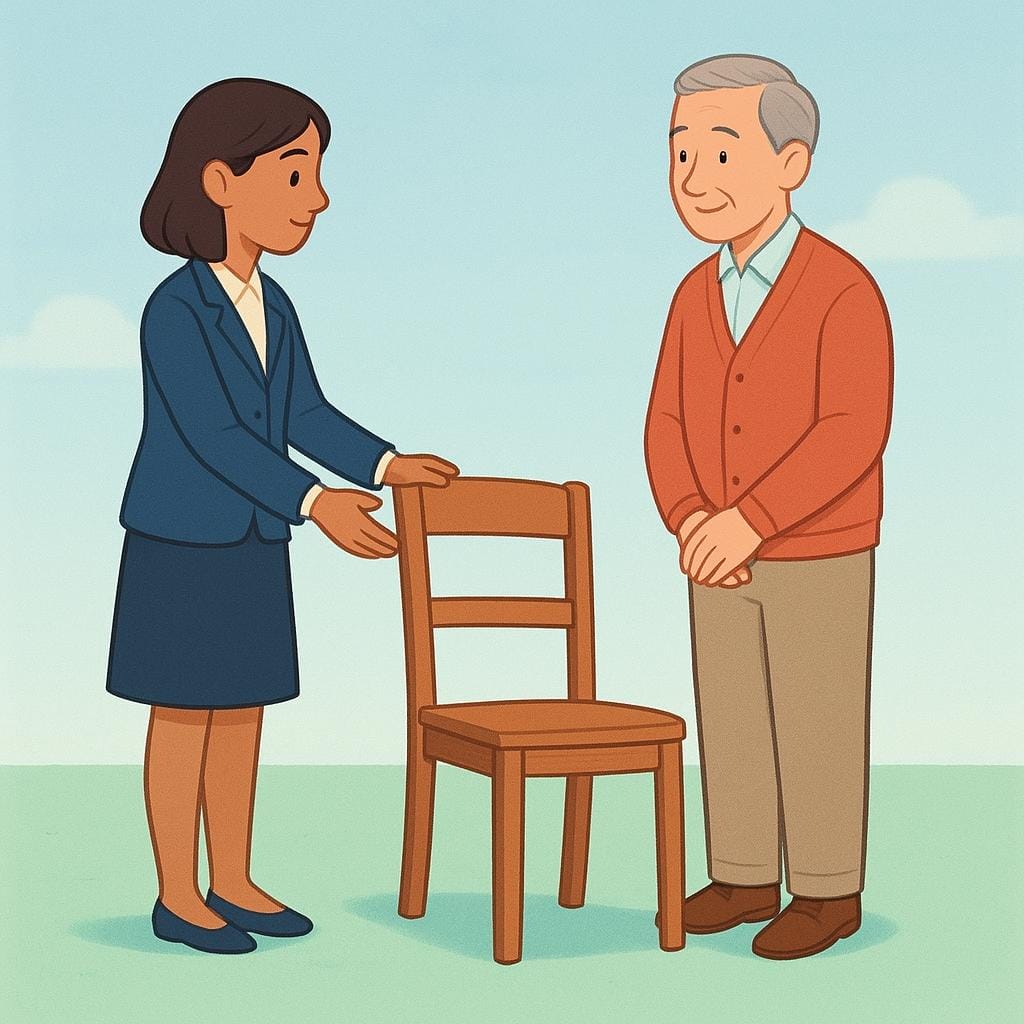
El tratamiento de 'usted' es obligatorio en este edificio.
The 'usted' form of address is mandatory in this building.
Su tratamiento formal es 'Señora Jueza'.
Her formal title is 'Madam Judge'.
Formality Check
This meaning refers to the level of respect you show someone using specific pronouns ('tú' vs. 'usted'). Using 'usted' is called 'el tratamiento de usted'.
Título vs. Campeonato
Related Translations
Learn Spanish with Inklingo
Interactive stories, personalized learning, and more.