How to Say "to examine" in Spanish
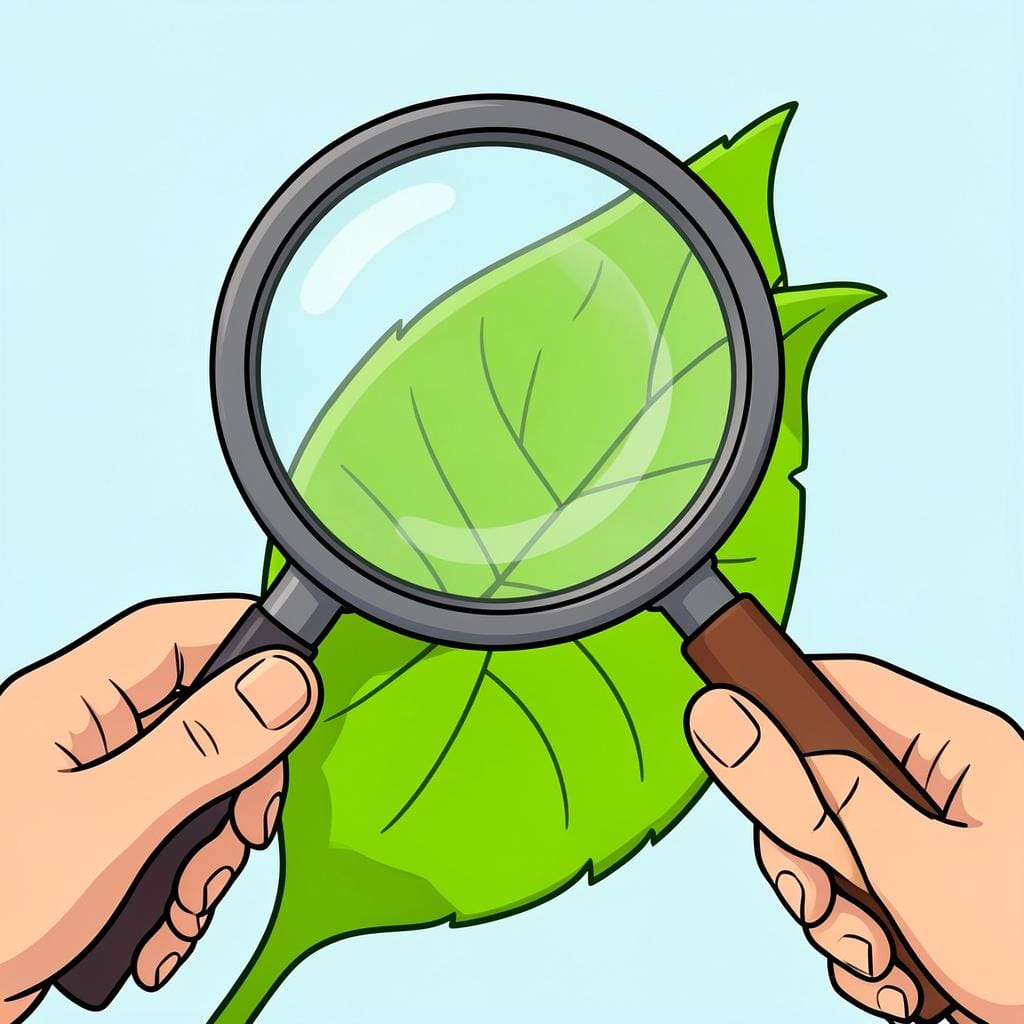
The most common Spanish word for “to examine” is “examinar” — use this for a direct, close visual inspection of something, often in a medical or scientific context, like a doctor looking at an injury.
Use this for a direct, close visual inspection of something, often in a medical or scientific context, like a doctor looking at an injury.
Learn more →
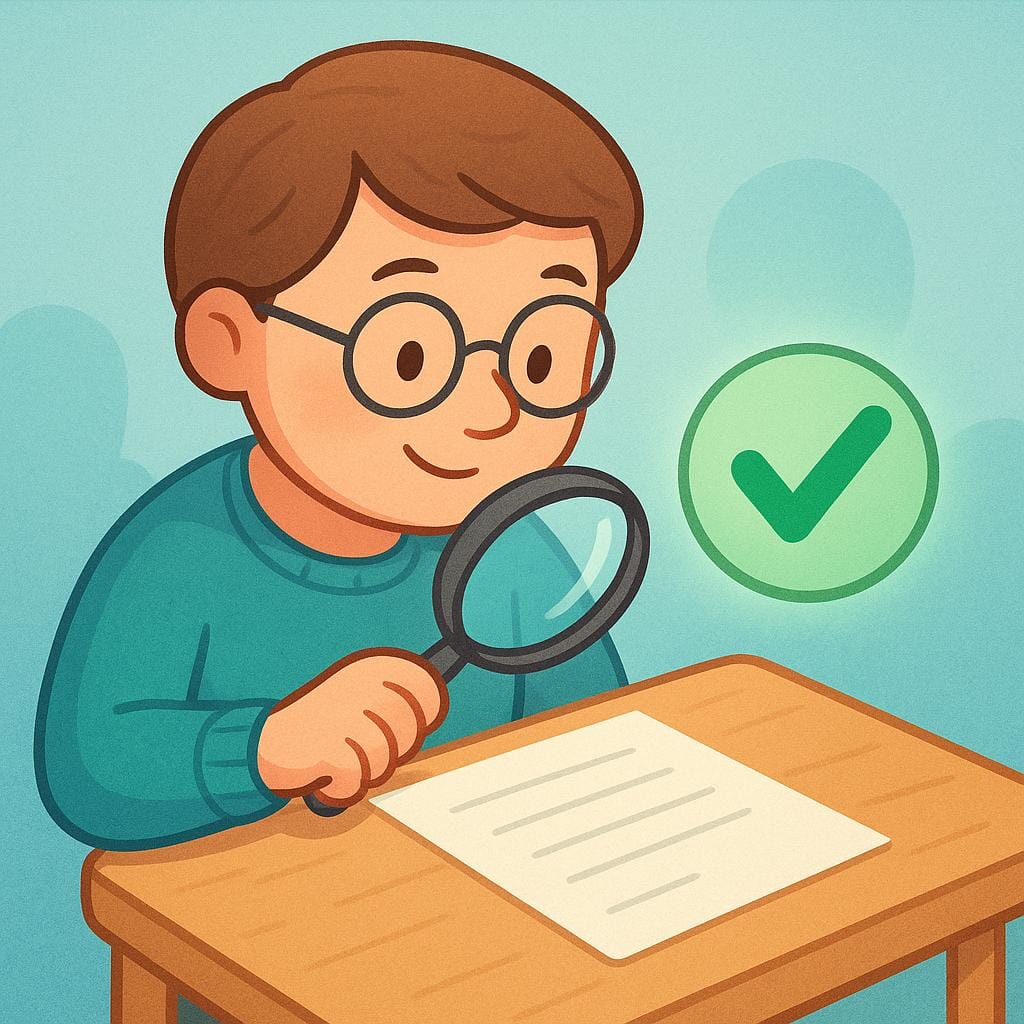
Use this when you need to verify or check information or a fact, often by looking it up or confirming it, like checking a train schedule.
Learn more →
Use this when you are studying the details or structure of something to understand it better, like analyzing data or results.
Learn more →
Use this when you are carefully considering the specifics of a situation, case, or document, similar to how a lawyer would examine a contract.
Learn more →
Use this for a formal or thorough examination of objects or documents to ensure they are correct or safe, like a mechanic inspecting car brakes.
Learn more →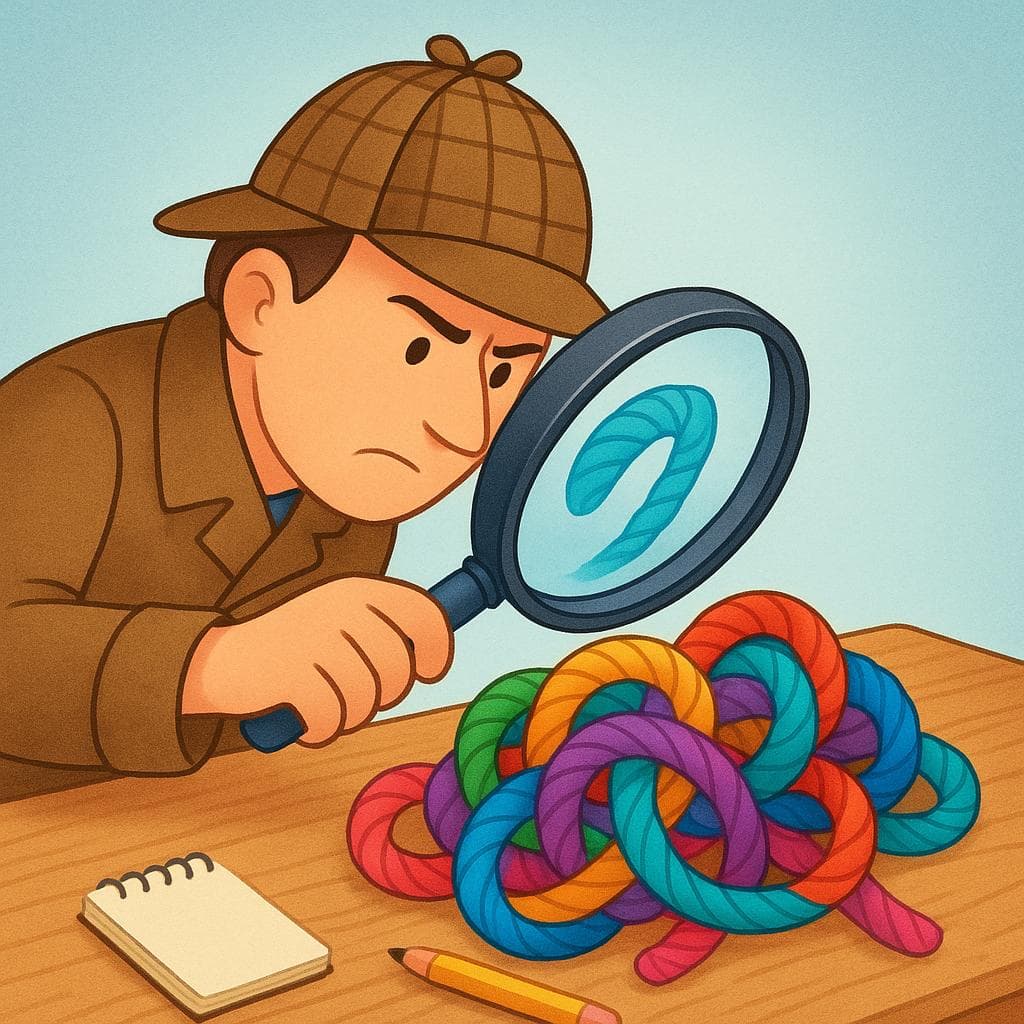
Use this when investigating possibilities, options, or a physical area to discover what is there, like exploring new business strategies or a medical area.
Learn more →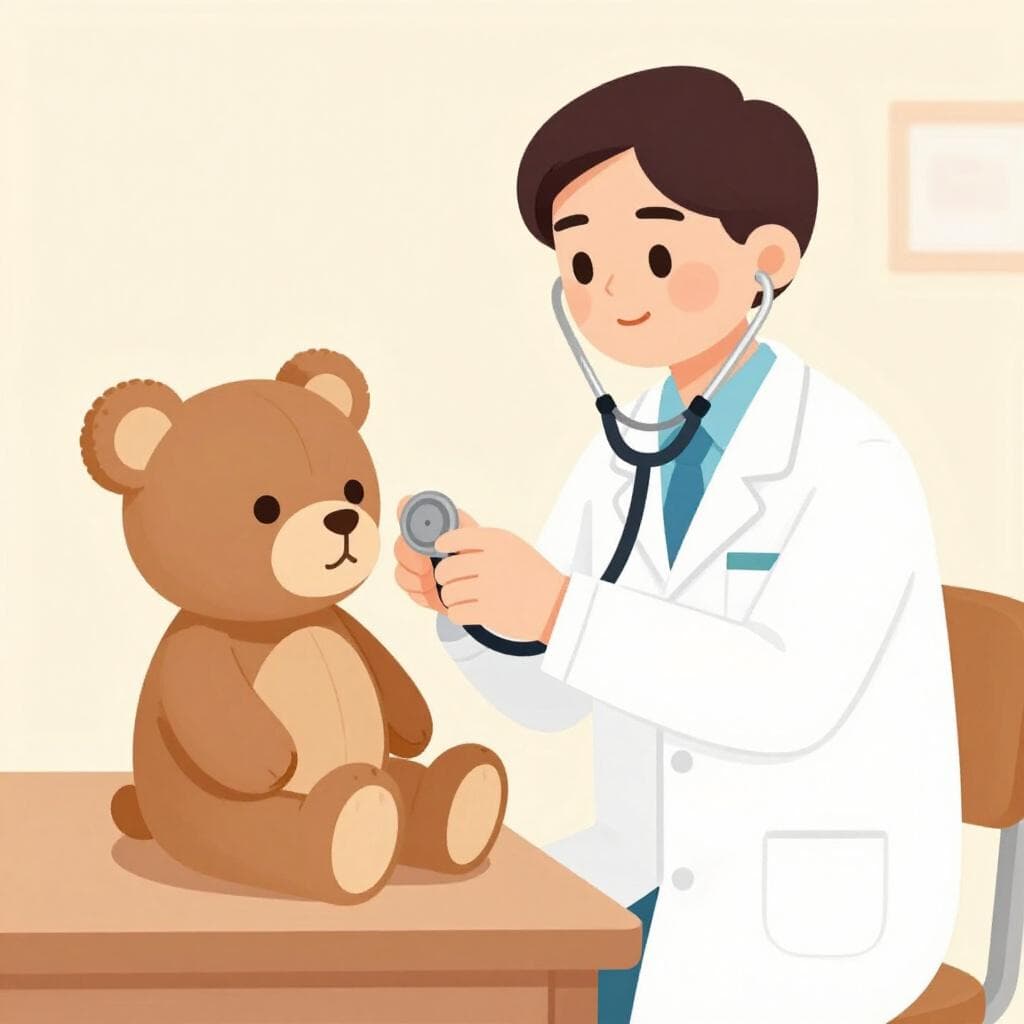
Use this for a routine check-up or a quick verification, especially in medical or technical contexts, like a doctor checking your blood pressure.
Learn more →
Use this when a professional, like a doctor, makes a scheduled check-in on someone or something, often in a routine or official capacity.
Learn more →
Use this specifically for interrogating someone, like a witness or suspect in a legal setting, challenging their statements.
Learn more →ex-ah-mee-NAReksa.miˈnaɾ
Examples
El doctor examinó mi brazo herido.
The doctor examined my injured arm.
Tienes que examinar el contrato antes de firmar.
You have to inspect the contract before signing.
A regular -AR verb
This verb follows the standard pattern for all -ar verbs. If you know how to conjugate 'hablar', you can conjugate 'examinar'!
Confusing 'taking' vs 'giving' a test
Mistake: “Using 'examinar' to say you are taking a test as a student.”
Correction: As a student, use 'examinarse' or 'hacer un examen'. 'Examinar' is what the teacher or doctor does to you.
kom-proh-BARkom.pɾoˈβaɾ
Examples
Necesitas comprobar la hora de salida del tren en la pantalla.
You need to check the train's departure time on the screen.
El policía comprobó mi identidad antes de dejarme pasar.
The police officer verified my identity before letting me pass.
Compruebo dos veces el correo electrónico antes de enviarlo.
I double-check the email before sending it.
Stem Change 'O' to 'UE'
In the present tense, the 'o' changes to 'ue' when the stress falls on the root word (e.g., 'yo compruebo'). This change skips the 'nosotros' and 'vosotros' forms.
Confusing 'comprobar' and 'chequear'
Mistake: “Using 'chequear' (a Spanglish verb) when 'comprobar' is more formal and appropriate for verifying facts or documents.”
Correction: Use 'comprobar' when the action involves confirming accuracy or validity; use 'revisar' or 'mirar' for a simple look-over.
ah-nah-lee-SAHRana.liˈsaɾ
Examples
Necesitamos analizar los resultados del examen.
We need to analyze the exam results.
Ella analiza cada palabra antes de hablar.
She analyzes every word before speaking.
El detective está analizando las pistas.
The detective is analyzing the clues.
The Z to C Spelling Rule
In Spanish, the letter 'z' usually changes to 'c' when it sits before an 'e'. This is why 'yo analicé' (I analyzed) is spelled with a 'c' instead of a 'z'.
Spelling slip-up
Mistake: “analizé”
Correction: analicé
es-too-dee-ARestuˈðjaɾ

Examples
El abogado está estudiando los detalles del contrato.
The lawyer is examining the details of the contract.
Necesitamos estudiar la viabilidad de este proyecto antes de invertir.
We need to analyze the viability of this project before investing.
Los científicos estudian el comportamiento de las aves migratorias.
The scientists are studying (researching/analyzing) the behavior of migratory birds.
Object of the Verb
Unlike the academic sense, where you often just 'study,' this meaning almost always needs a direct object—the thing being analyzed or examined (e.g., 'estudiar el mercado').
ins-pek-syo-narinspeksjoˈnaɾ
Examples
El mecánico tiene que inspeccionar los frenos del coche.
The mechanic has to inspect the car's brakes.
Debemos inspeccionar la casa antes de comprarla.
We must inspect the house before buying it.
El guardia va a inspeccionar todas las mochilas en la entrada.
The guard is going to inspect all the backpacks at the entrance.
Standard Verb Pattern
This is a regular '-ar' verb. It follows the exact same pattern as 'hablar' or 'caminar,' so once you know one, you know them all!
The 'Personal A'
If you are inspecting a person (like a doctor checking a patient or security checking a traveler), you must use the word 'a' before the person: 'Inspeccionar a los pasajeros.'
Missing the double 'c'
Mistake: “inspecionar”
Correction: inspeccionar. Remember it has two 'c's, just like the English word 'inspection' has a 'c' and a 't'.
eks-plo-RAReks.ploˈɾaɾ

Examples
Necesitamos explorar nuevas opciones para reducir los costos.
We need to explore new options to reduce costs.
Ella exploró sus sentimientos antes de tomar una decisión.
She examined her feelings before making a decision.
El equipo decidió explorar la viabilidad del proyecto.
The team decided to investigate the feasibility of the project.
El médico tuvo que explorar la rodilla del paciente para ver el daño.
The doctor had to examine the patient's knee to see the damage.
Figurative Use
Just like in English, 'explorar' can be used figuratively to mean 'thinking deeply about' or 'researching' something that isn't physical, like an idea or a solution.
Formal Contexts
In medical settings, 'explorar' is the standard verb used for a physical examination or looking inside the body.
che-ke-ARt͡ʃe.keˈaɾ

Examples
El doctor me chequeó la presión arterial.
The doctor checked my blood pressure.
Es importante chequearse una vez al año.
It is important to get a check-up once a year.
Están chequeando todo el equipaje en la aduana.
They are screening all the luggage at customs.
Reflexive for Self-Care
When you go to the doctor for a check-up, we often use the reflexive form 'chequearse' (to check oneself or get oneself checked).
vee-see-TARbi.siˈtaɾ

Examples
El doctor visita a sus pacientes dos veces al día.
The doctor checks up on his patients twice a day.
El inspector de sanidad visitó el restaurante sin avisar.
The health inspector inspected the restaurant without warning.
Focus on Purpose
When used formally, 'visitar' emphasizes the purpose of the trip—it’s not for fun, but for observation, assessment, or professional duty.
kwes-tyoh-nahrkwestjoˈnaɾ

Examples
El abogado cuestionó al testigo durante toda la tarde.
The lawyer questioned the witness all afternoon.
La policía está cuestionando a los vecinos para encontrar pistas.
The police are questioning the neighbors to find clues.
Direct Objects
When questioning a person in this sense, remember to use 'a' before the person: 'Cuestionaron a los testigos' (They questioned the witnesses).
Examinar vs. Comprobar
A very common mistake is confusing 'examinar' and 'comprobar'. Remember, 'examinar' implies a close, often physical inspection (like a doctor looking at a wound), while 'comprobar' means to verify information or a fact (like checking a schedule).
Related Translations
Learn Spanish with Inklingo
Interactive stories, personalized learning, and more.