How to Say "to overcome" in Spanish
The most common Spanish word for “to overcome” is “superar” — use this for successfully getting past a difficulty, obstacle, or personal challenge like shyness or a past trauma.
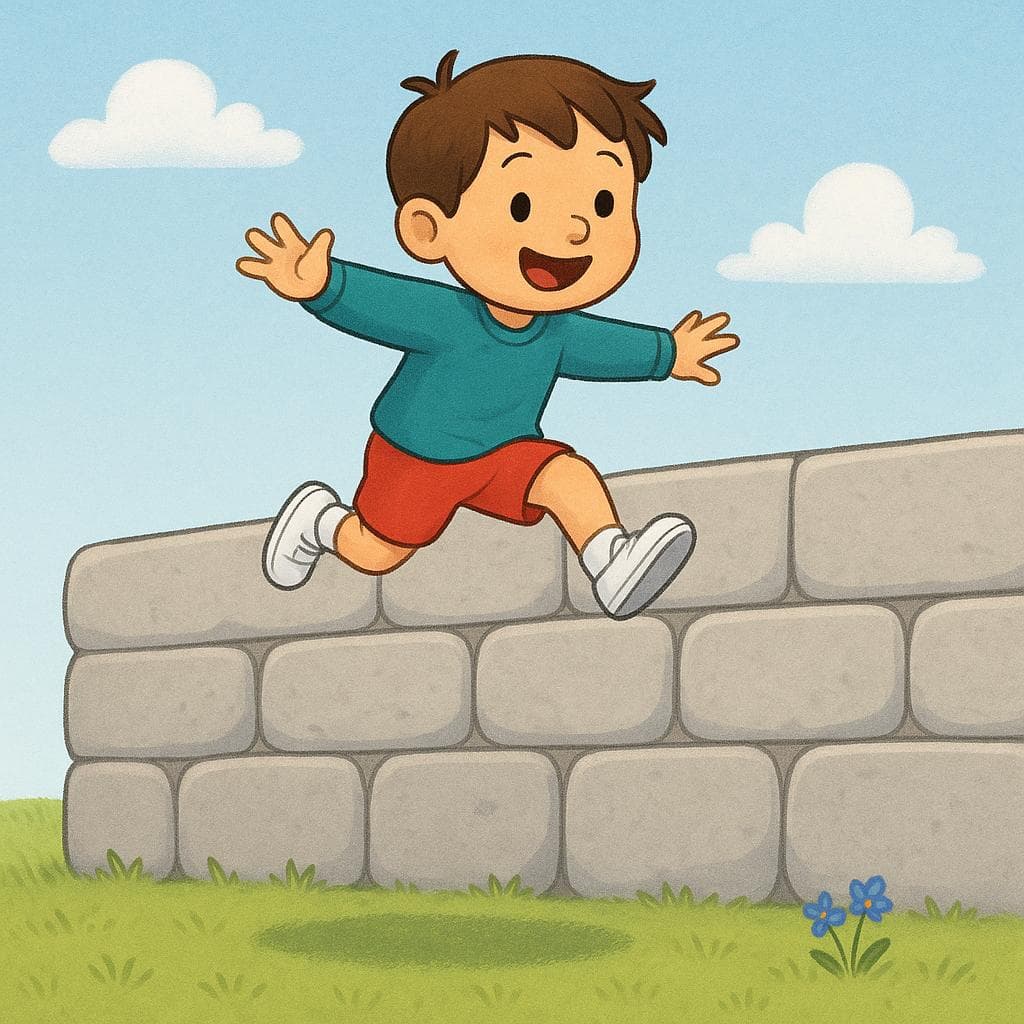
Use this for successfully getting past a difficulty, obstacle, or personal challenge like shyness or a past trauma.
Learn more →
Choose this when you are talking about conquering internal struggles or personal demons, like defeating your own fears.
Learn more →
Use this when describing a comeback from a losing or difficult situation, like a team turning a game around or recovering from a setback.
Learn more →
Employ this when you need to get past a specific obstacle or difficulty that stands in your way.
Learn more →
This is used when an emotion or force takes control of someone, often negatively, like fear or sadness overwhelming a person.
Learn more →soo-peh-RAHRsu.peˈɾaɾ
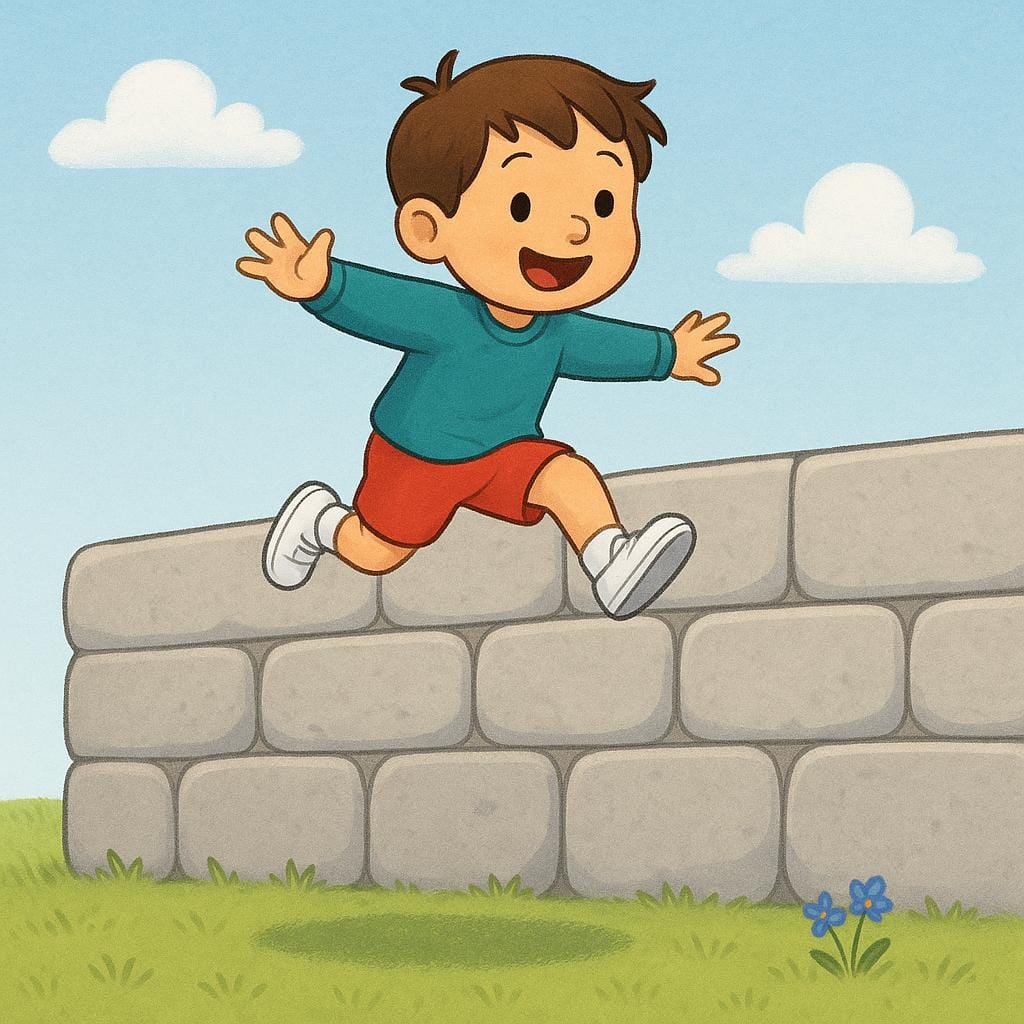
Examples
Ella logró superar la timidez y hablar en público.
She managed to overcome her shyness and speak in public.
Necesitamos superar este obstáculo económico para seguir adelante.
We need to get past this economic obstacle to move forward.
Le costó mucho tiempo superar la pérdida de su mascota.
It took him a long time to get over the loss of his pet.
Direct Use
Unlike 'get over' in English, 'superar' is often used directly before the thing you are overcoming, without needing a preposition like 'de' or 'a'.
Confusing 'Superar' and 'Vencer'
Mistake: “Usando 'vencer' para una enfermedad ('Venció la gripe').”
Correction: Use 'superar' when dealing with internal, personal difficulties or illnesses. 'Vencer' usually implies defeating an opponent or winning a battle.
deh-rroh-TAHRderoˈtaɾ

Examples
Tienes que derrotar tus miedos para seguir adelante.
You have to overcome your fears to move forward.
Finalmente, él derrotó su adicción al tabaco.
Finally, he conquered his addiction to tobacco.
rreh-mohn-TAHRre.monˈtaɾ

Examples
El equipo logró remontar el partido en los últimos minutos.
The team managed to make a comeback in the final minutes of the game.
La empresa espera remontar sus pérdidas el próximo trimestre.
The company expects to overcome its losses next quarter.
Es difícil remontar una situación tan negativa.
It is difficult to recover from such a negative situation.
Using 'remontar' with Objects
When you are talking about overcoming a score or a situation, you usually put the thing you are overcoming directly after the verb, like 'remontar el resultado'.
Remontar vs. Subir
Mistake: “Using 'remontar' for going up an elevator.”
Correction: Use 'subir' for simple upward movement. Use 'remontar' when the climb involves effort or overcoming a barrier.
sal-BARsalˈβaɾ

Examples
Tuvo que salvar muchos obstáculos para lograr su sueño.
She had to overcome many obstacles to achieve her dream.
El nuevo puente salva el río, conectando las dos ciudades.
The new bridge crosses (bridges) the river, connecting the two cities.
Salvando las distancias, nuestros problemas son similares.
Bridging the differences (or 'differences aside'), our problems are similar.
ah-poh-deh-RARapoðeˈɾaɾ

Examples
El miedo se apoderó de él durante el examen.
Fear took over him during the exam.
Los manifestantes se apoderaron del edificio.
The protesters seized the building.
No dejes que el pánico se apodere de la situación.
Don't let panic take over the situation.
Using 'de'
When you use the reflexive form 'apoderarse' to say someone took over something, you must always follow it with the word 'de' (of). Think of it as 'becoming the owner OF'.
Missing the 'de'
Mistake: “Se apoderó el trono.”
Correction: Se apoderó DEL trono.
Superar vs. Derrotar
Learners often confuse 'superar' and 'derrotar'. Remember that 'superar' is for general difficulties and obstacles, while 'derrotar' specifically implies conquering internal struggles or personal demons.
Related Translations
Learn Spanish with Inklingo
Interactive stories, personalized learning, and more.