How to Say "to plan" in Spanish
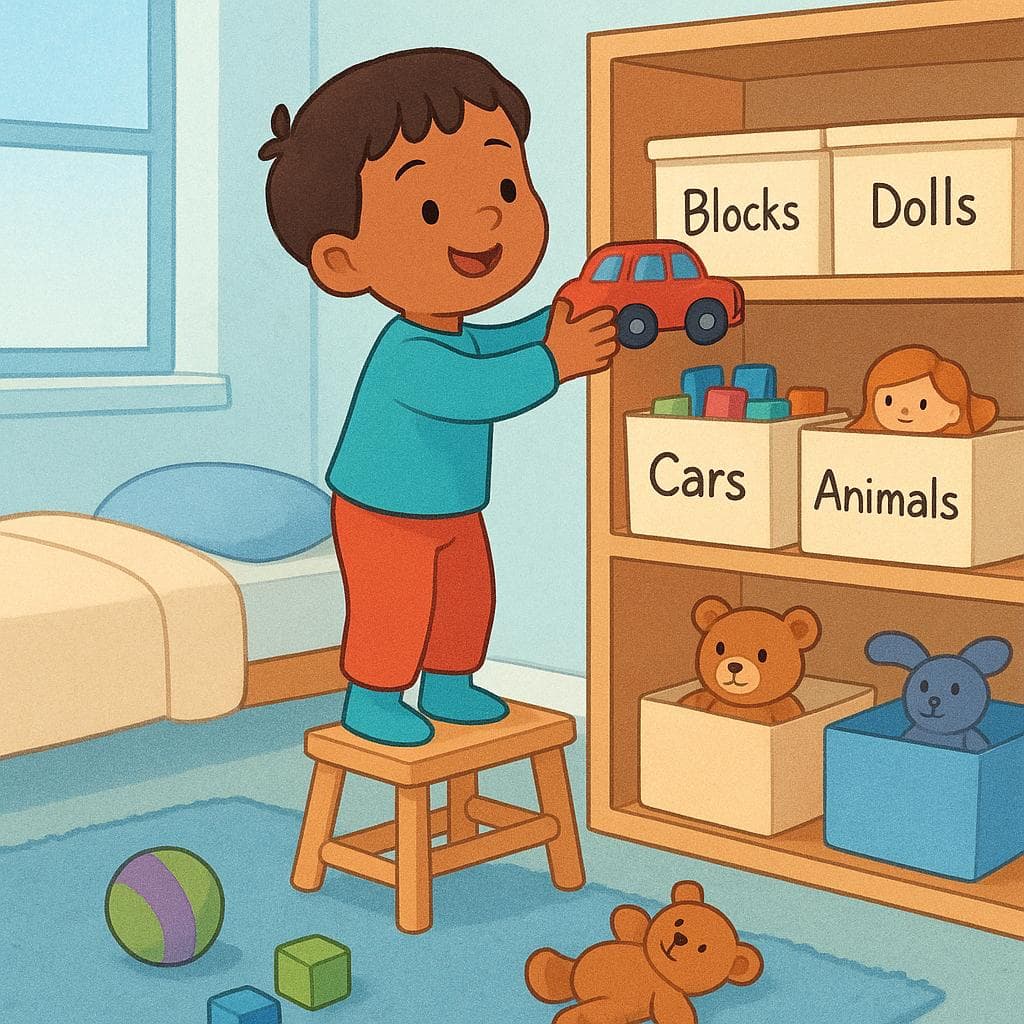
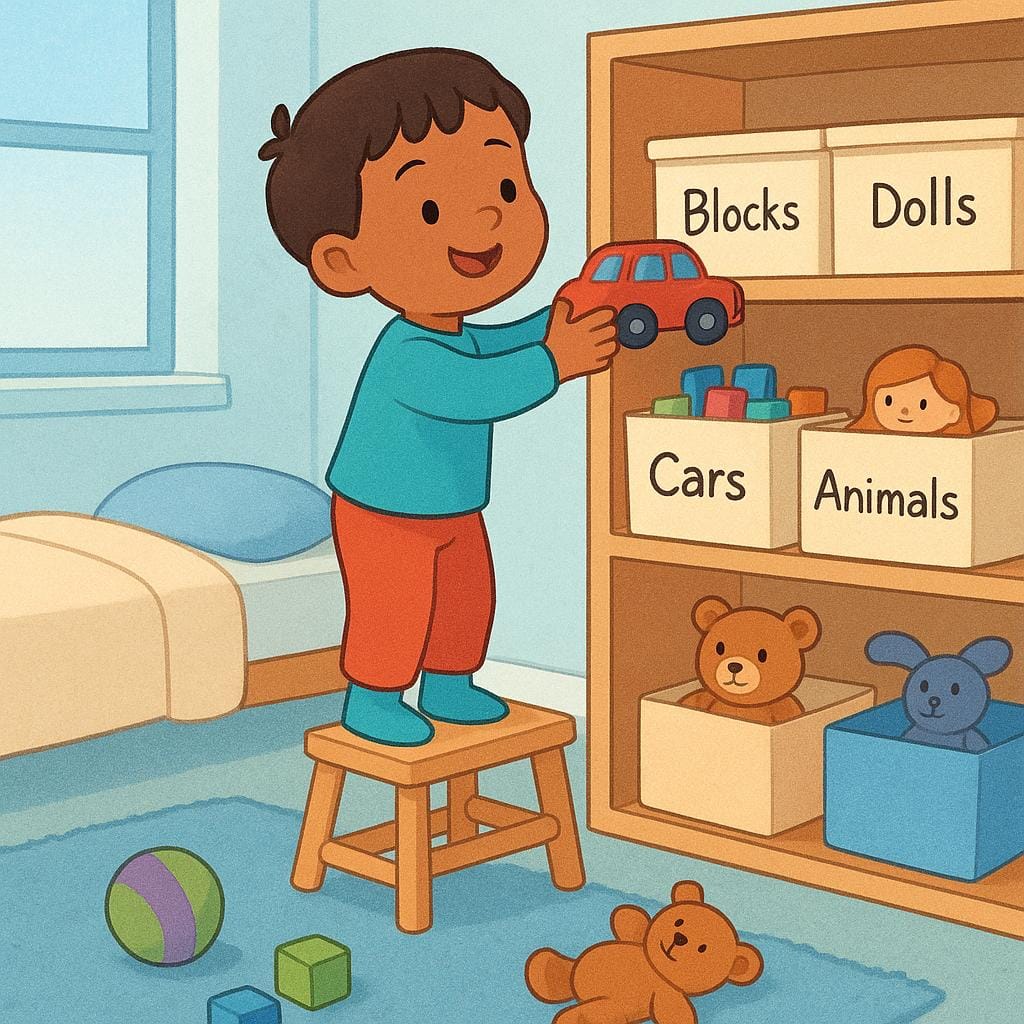
The most common Spanish word for “to plan” is “organizar” — use this word when you are arranging or putting things in order, especially for an event or a physical space.


organizar
or-gah-nee-SARor.ɣa.niˈsaɾ
Examples
Necesito organizar mi escritorio antes de empezar a trabajar.
I need to organize my desk before starting to work.
Ellos organizaron una fiesta sorpresa para su cumpleaños.
They organized a surprise party for his birthday.
Si organizamos bien la semana, tendremos tiempo libre el sábado.
If we organize the week well, we will have free time on Saturday.
Spelling Change in the Preterite
The 'yo' form of the past tense (preterite) changes the 'z' to a 'c' (organicé). This is just to keep the 's' sound consistent when the ending starts with an 'e'.
The 'z' in the Subjunctive
Mistake: “Quiero que yo organizo la reunión.”
Correction: Quiero que yo organice la reunión. (The 'z' changes to 'c' in the special form used for wishes—the subjunctive.)
planear
plah-neh-AHRpla.neˈar

Examples
Estamos planeando una fiesta sorpresa para Julia.
We are planning a surprise party for Julia.
Necesito planear mi semana con antelación.
I need to plan my week in advance.
Using 'Planear' with Other Verbs
When you want to say you are planning 'to do' something, just put the next verb in its base form (the infinitive). For example: 'Planeo viajar' (I plan to travel).
Don't add 'a'
Mistake: “Planeo a ir al cine.”
Correction: Planeo ir al cine. Unlike some other Spanish verbs, planear doesn't need a connector like 'a' before the next action.
programar
pro-gra-MARpɾoɡɾaˈmaɾ

Examples
He programado la lavadora para las ocho.
I have set the washing machine for eight o'clock.
Necesitamos programar una reunión para mañana.
We need to schedule a meeting for tomorrow.
El canal va a programar una serie nueva el próximo mes.
The channel is going to schedule a new series next month.
Programar vs Planear
Use 'programar' when you are setting a specific time or using a calendar/machine. Use 'planear' for general intentions or thinking about the future.
Using 'Set' like English
Mistake: “Voy a poner la reunión para las 5.”
Correction: Voy a programar la reunión para las 5.
pensar
pen-sarpenˈsaɾ

Examples
Pienso viajar a México el próximo verano.
I plan to travel to Mexico next summer.
¿Piensas ir a la fiesta esta noche?
Are you planning to go to the party tonight?
Pensábamos salir, pero empezó a llover.
We were planning to go out, but it started to rain.
Structure for Plans: 'pensar' + action verb
To talk about your plans, just put the base form of the action verb (like 'viajar', 'comer', 'ir') right after 'pensar'. It's that simple! Example: 'Pienso estudiar más' (I plan to study more).
Adding an extra word
Mistake: “Pienso a viajar. or Pienso de viajar.”
Correction: No extra word is needed between 'pensar' and the next verb. Just say: 'Pienso viajar.'
planificar
plah-nee-fee-KAHRplanifiˈkaɾ

Examples
Tenemos que planificar la reunión con mucho cuidado.
We have to plan the meeting very carefully.
Ella planificó todo su viaje por Europa en una hoja de cálculo.
She mapped out her entire trip through Europe on a spreadsheet.
Es difícil planificar el futuro cuando las cosas cambian tanto.
It is difficult to plan for the future when things change so much.
The Spelling 'Swap'
When you use the 'yo' form in the past (Preterite), the 'c' changes to 'qu' (planifiqué). This is just to keep the hard 'k' sound from the original word.
Direct Planning
Unlike English which often uses 'plan for,' Spanish usually goes straight to the object: 'planificar el evento' (plan the event).
Adding unnecessary words
Mistake: “Estoy planificando para mi boda.”
Correction: Estoy planificando mi boda.
proyectar
pro-yek-TARpɾojekˈtaɾ

Examples
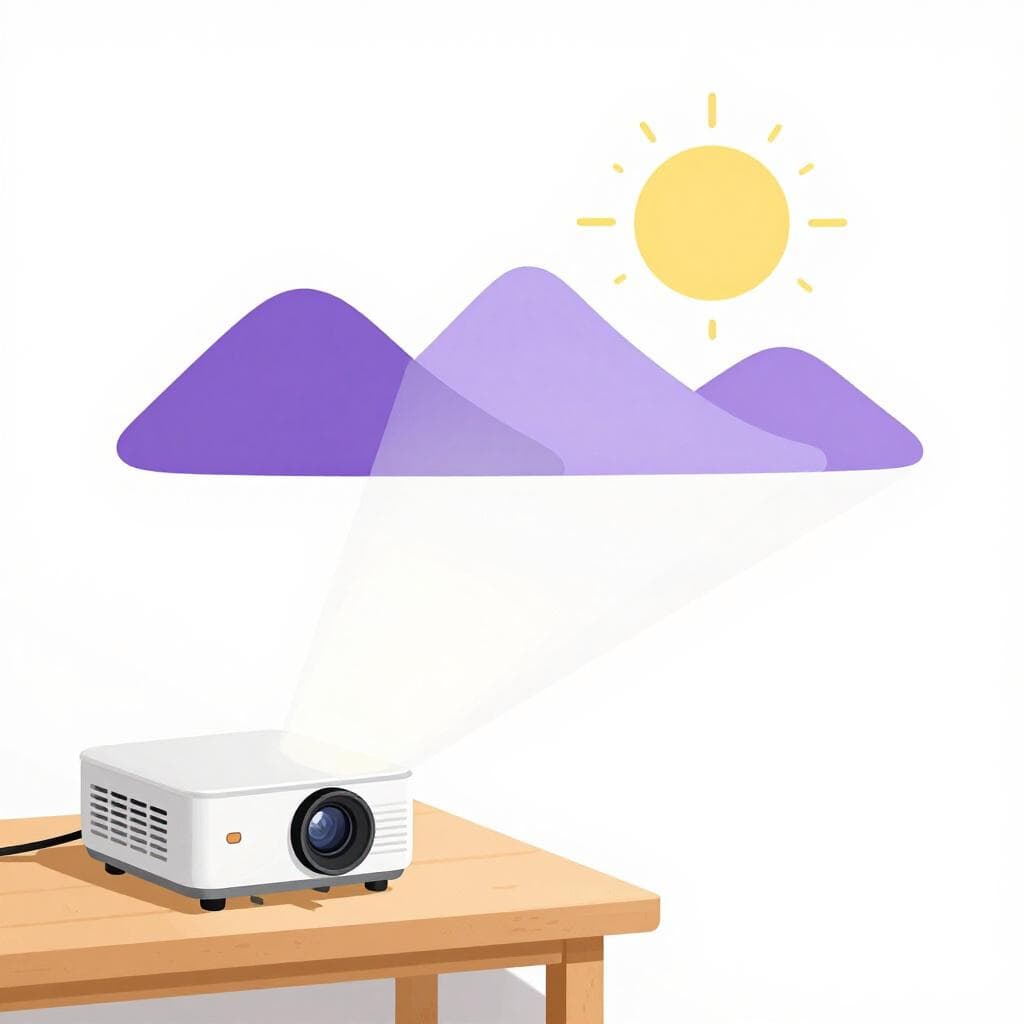
Van a proyectar la película en la pared del edificio.
They are going to project the movie on the wall of the building.
Estamos proyectando una nueva estrategia de ventas para el próximo año.
We are planning a new sales strategy for next year.
El árbol proyecta una sombra muy larga por la tarde.
The tree casts a very long shadow in the afternoon.
Using 'a' with Proyectar
When talking about projecting an image 'onto' something, use the word 'a' or 'sobre'. For example: 'Proyectar luz sobre la mesa'.
A Regular Powerhouse
This verb follows the standard pattern for all -ar verbs. If you know how to conjugate 'hablar', you already know how to conjugate 'proyectar'!
Planning vs. Doing
Mistake: “Using 'proyectar' when you mean you are actually doing the task right now.”
Correction: Use 'proyectar' for the design or thinking phase. If you are doing it, use 'hacer' or 'realizar'.
Planear vs. Planificar
Related Translations
Learn Spanish with Inklingo
Interactive stories, personalized learning, and more.