How to Say "to stroke" in Spanish
The most common Spanish word for “to stroke” is “acariciar” — use 'acariciar' for a gentle, loving touch, typically on a person's or animal's skin or hair.

acariciar
ah-kah-ree-syahrakaɾiˈsjaɾ

Examples
Me gusta acariciar a mi gato mientras leo.
I like to pet my cat while I read.
La madre acarició la mejilla del bebé.
The mother stroked the baby's cheek.
Él la acariciaba con mucha ternura.
He was caressing her with a lot of tenderness.
Using 'A' with Pets
In Spanish, we use the word 'a' before the animal if it is a specific pet you care about. Say 'Acaricio a mi perro' instead of just 'Acaricio mi perro'.
A Regular Verb
This verb follows the standard rules for verbs ending in -ar. If you know how to conjugate 'hablar', you already know how to conjugate 'acariciar'!
Using 'Tocar' for Affection
Mistake: “Toco a mi gato.”
Correction: Acaricio a mi gato.
frotar
fro-TARfɾoˈtaɾ
Examples
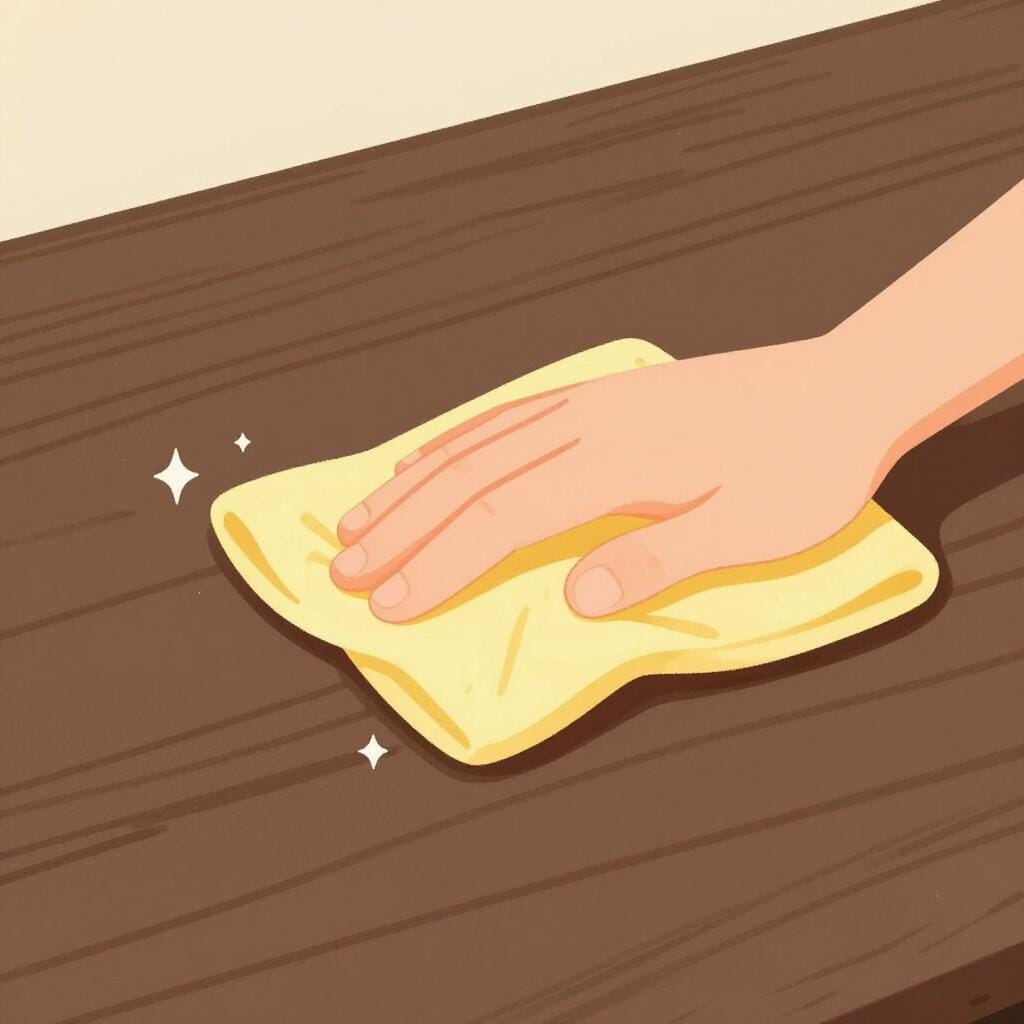
Tienes que frotar la mancha con un poco de jabón.
You have to rub the stain with a little bit of soap.
Él se frotó los ojos porque tenía sueño.
He rubbed his eyes because he was sleepy.
Frota las manos para calentarte un poco.
Rub your hands together to warm yourself up a bit.
Using frotar with body parts
When rubbing your own body parts, Spanish uses a reflexive pronoun (me, te, se, nos, os, se) and the definite article (the) instead of 'my' or 'your'. For example: 'Me froto las manos' (I rub my hands).
Direct Objects
If you are rubbing an object, the thing being rubbed follows the verb directly: 'Froté la lámpara'.
Frotar vs. Rascar
Mistake: “Me froto el brazo porque me pica.”
Correction: Me rasco el brazo porque me pica. Use 'frotar' for rubbing/massaging and 'rascar' for scratching an itch.
Affection vs. Action
Related Translations
Learn Spanish with Inklingo
Interactive stories, personalized learning, and more.