How to Say "to top" in Spanish
The most common Spanish word for “to top” is “superar” — use 'superar' when 'to top' means to exceed or go beyond a previous record, limit, or achievement.

Use 'superar' when 'to top' means to exceed or go beyond a previous record, limit, or achievement.
Learn more →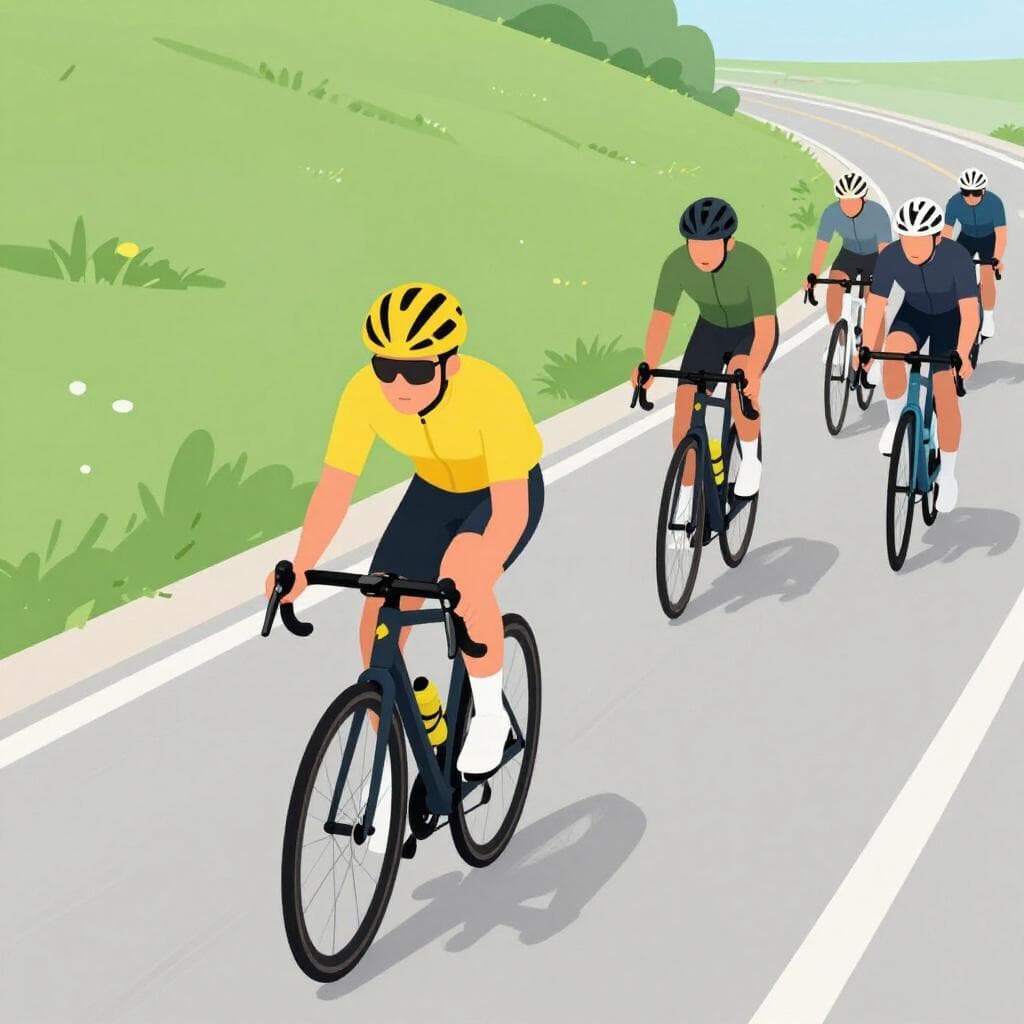
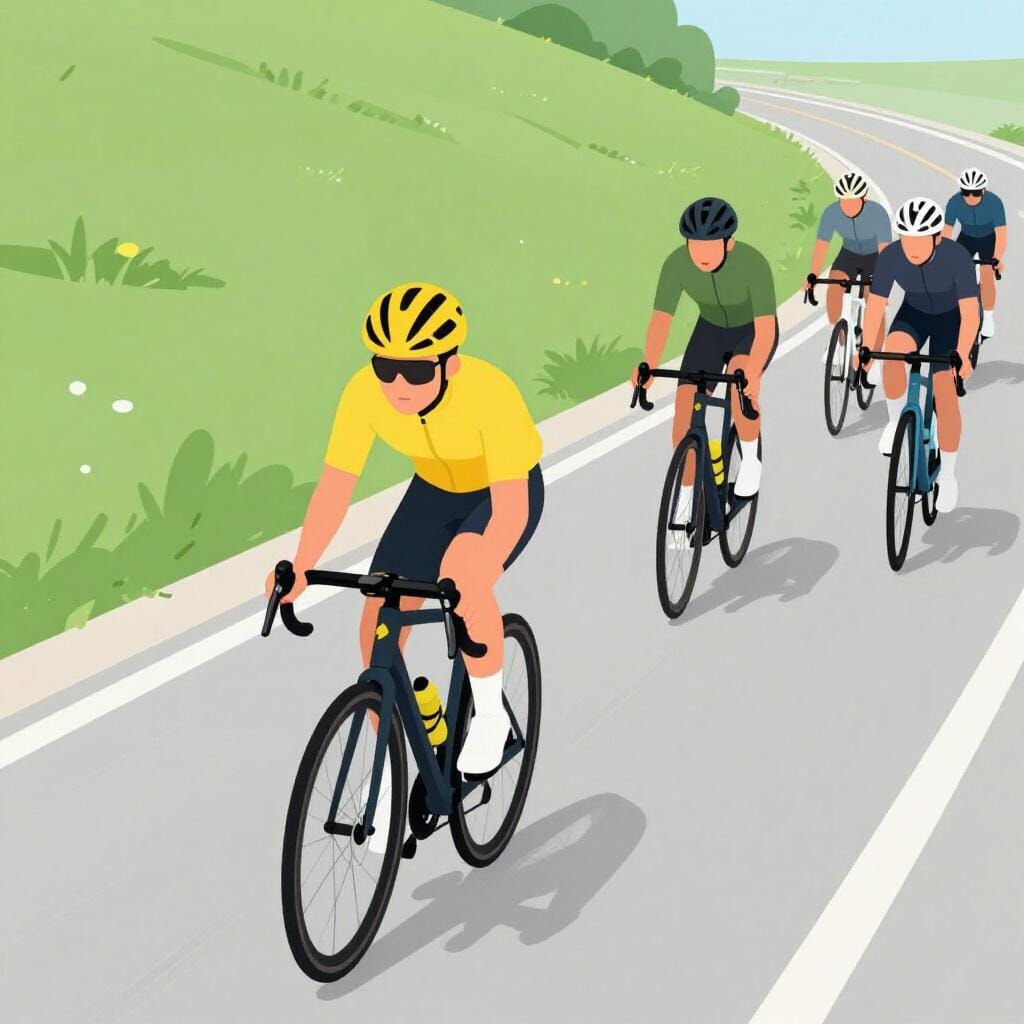
Use 'liderar' when 'to top' refers to being in first place or at the head of a list, ranking, or competition.
Learn more →
Use 'decapitar' only when 'to top' literally means to cut off the head of a person or the top part of a plant or object.
Learn more →soo-peh-RAHRsu.peˈɾaɾ

Examples
El atleta superó su récord personal en la carrera.
The athlete topped his personal record in the race.
El equipo superó el récord de puntos del año pasado.
The team surpassed last year's point record.
Su actuación superó todas nuestras expectativas.
Her performance exceeded all our expectations.
La demanda de este producto ha superado la oferta disponible.
The demand for this product has exceeded the available supply.
Comparison Structure
When comparing two things, 'superar' means the first thing is better than the second: 'A supera a B' (A surpasses B).
lee-deh-rahrliðeˈɾaɾ
Examples
Nuestro equipo lidera la liga después de la victoria de hoy.
Our team tops the league after today's victory.
El equipo español lidera la clasificación del torneo.
The Spanish team is leading the tournament standings.
Nuestra empresa lidera las ventas en la región.
Our company is leading in sales in the region.
Lideran la carrera por solo unos segundos.
They are leading the race by only a few seconds.
Being vs. Doing
In English, we often say 'to be in the lead' (using 'be'). In Spanish, we use the active verb 'liderar' to express the same thing.
Leading in something
Mistake: “Liderar en la carrera.”
Correction: Liderar la carrera. You don't need 'en' after the verb when mentioning what is being led.
deh-kah-pee-tahrdekapitaɾ

Examples
La guillotina se usaba para decapitar a los condenados.
The guillotine was used to top the condemned.
En la Revolución Francesa, solían decapitar a los nobles.
During the French Revolution, they used to behead the nobles.
El jardinero recomendó decapitar las flores marchitas.
The gardener recommended snipping off the tops of the withered flowers.
Vándalos decapitaron la estatua de la plaza anoche.
Vandals beheaded the statue in the square last night.
Using the 'Personal A'
When you use this word for a person (the one getting their head cut off), you must put the word 'a' before them. For example: 'Decapitar a un rey'.
It's a regular verb!
This verb is very friendly to learners because it follows the exact same pattern as common verbs like 'hablar' (to speak).
Using it for animals you eat
Mistake: “Using 'decapitar' for preparing a chicken for dinner.”
Correction: In a kitchen context, 'degollar' or 'limpiar' is more natural. 'Decapitar' sounds very dramatic or like a crime scene.
Confusing 'Superar' and 'Liderar'
Learners often confuse 'superar' (to surpass a record) and 'liderar' (to be in first place). Remember: 'superar' implies beating a past performance, while 'liderar' means holding the current top position in a competition.
Related Translations
Learn Spanish with Inklingo
Interactive stories, personalized learning, and more.