How to Say "touches" in Spanish
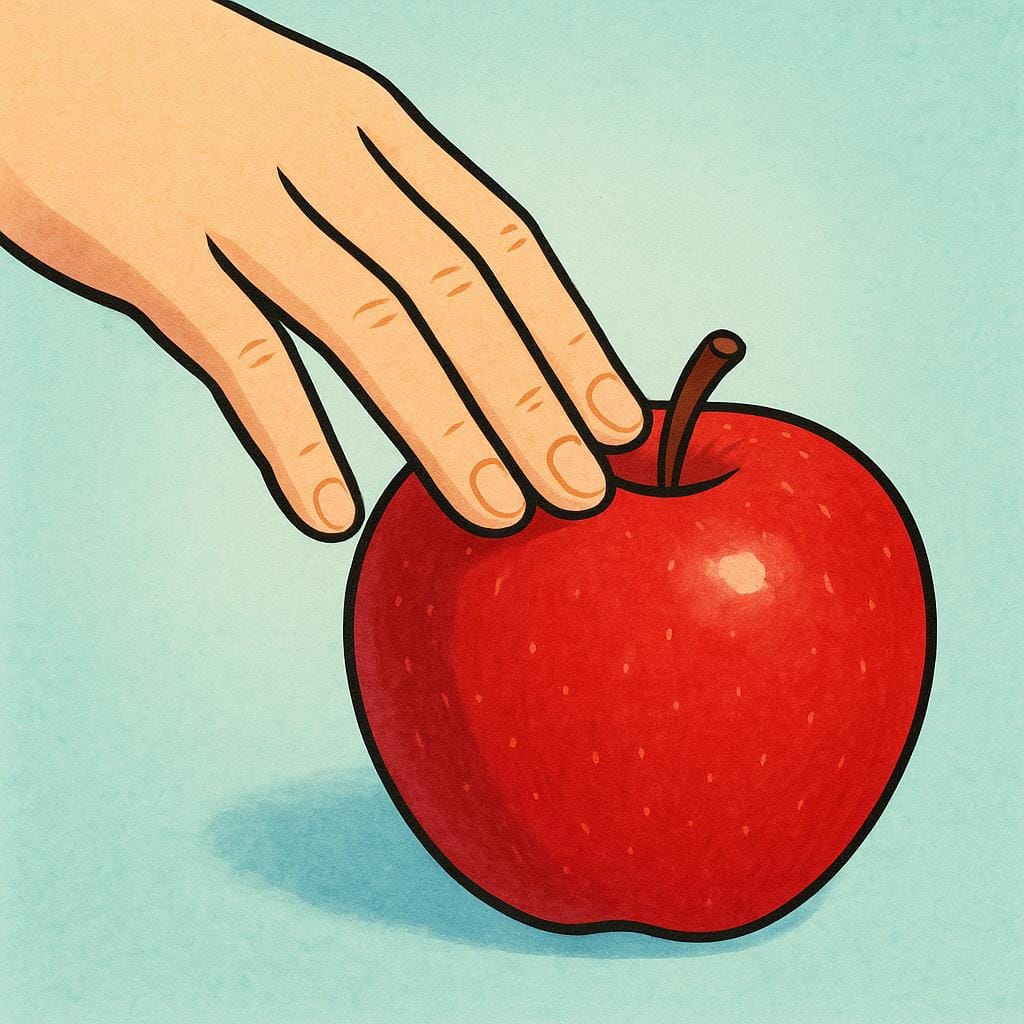
The most common Spanish word for “touches” is “toca” — use 'toca' when referring to the physical act of a person or thing making contact with another object or surface.
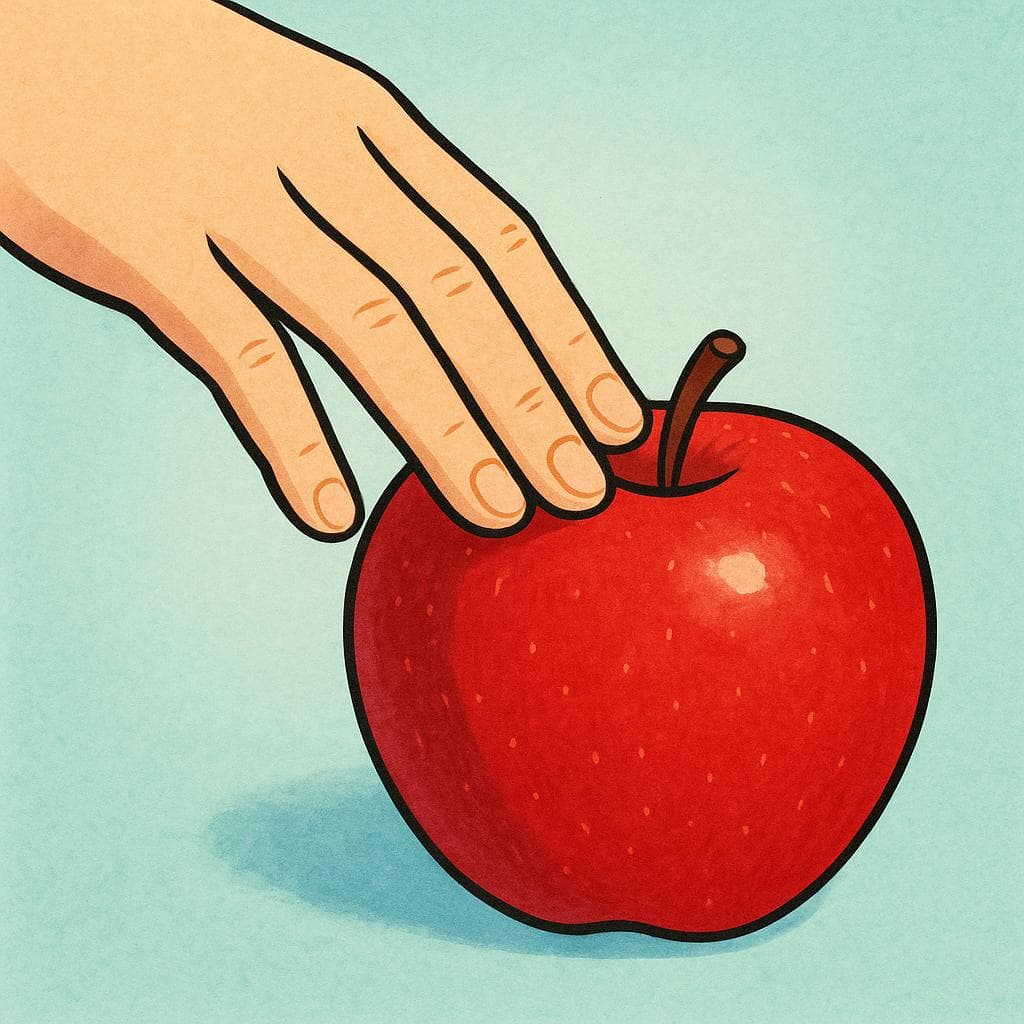
Use 'toca' when referring to the physical act of a person or thing making contact with another object or surface.
Learn more →
Use 'afecta' when 'touches' means to have an emotional or significant impact on someone or something.
Learn more →
Use 'toques' when 'touches' refers to small additions or adjustments, often for flavor or refinement, implying a light physical contact.
Learn more →TOH-kahˈtoka
Examples
El niño toca el piano con sus dedos.
The child touches the piano with his fingers.
Ella nunca toca la pared porque está recién pintada.
She never touches the wall because it's freshly painted.
¿Quién toca la puerta?
Who is knocking on the door?
Usted toca el tema con demasiada sensibilidad.
You (formal) approach the subject too sensitively.
Pronouncing the Hard 'K' Sound
The letter 'c' sounds like 'k' when followed by a, o, or u (tocar). However, if you need to use the 'k' sound before e or i, the spelling changes to 'qu' (e.g., toqué, toques).
Confusing 'Tocar' with 'Sentir'
Mistake: “Using 'tocar' to express emotional feeling (e.g., 'Toco triste').”
Correction: Use 'sentir' for feelings ('Siento triste') and 'tocar' only for physical contact or playing music.
ah-FEK-tahaˈfekta

Examples
La noticia triste afecta a todos en la familia.
The sad news touches everyone in the family.
La crisis económica afecta a toda la región.
The economic crisis affects the whole region.
Usted afecta mi concentración con tanto ruido.
You (formal) affect my concentration with so much noise.
¡Afeta! Es un mandamiento directo para que cambies esa actitud.
Affect it! (Used as a command to feign or adopt an attitude, though less common).
Using 'a' with People
When 'afectar' impacts a person or animal, Spanish usually requires the word 'a' right before the person: 'La noticia afecta a mi madre' (The news affects my mother).
Confusing Affect vs. Effect
Mistake: “Using 'efecta' (which is rare) instead of 'afecta' when meaning 'to influence.'”
Correction: Always use 'afecta' (from 'afectar') when talking about causing an influence or impact.
TOH-kehs[ˈto.kes]
Examples
La receta necesita unos toques finales de perejil.
The recipe needs a few final touches of parsley.
Necesita unos toques de sal para mejorar el sabor.
It needs a few touches of salt to improve the flavor.
Escuché unos toques en la ventana y me asusté.
I heard some knocks on the window and got scared.
La pintura tiene unos toques impresionistas muy bonitos.
The painting has some very beautiful Impressionistic touches (flair).
Plural of 'toque'
This is the plural form of the masculine noun 'el toque'. It means more than one 'touch' or 'knock'.
Verb vs. Noun: Physical Contact
Learners often confuse the verb 'toca' (he/she/it touches) with the noun 'toques' (touches, additions). Remember that 'toca' describes an action of touching, while 'toques' refers to the result of that action or subtle additions.
Related Translations
Learn Spanish with Inklingo
Interactive stories, personalized learning, and more.