How to Say "knocks" in Spanish
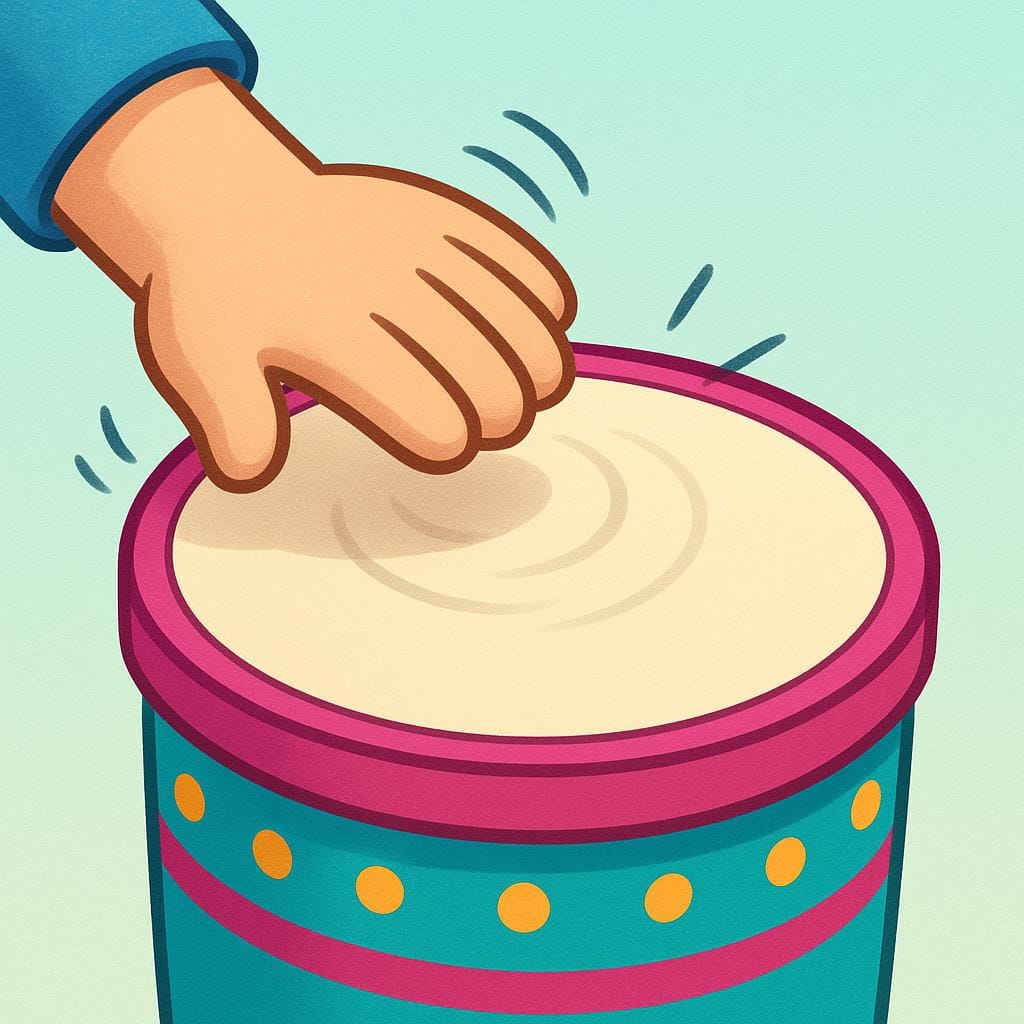
The most common Spanish word for “knocks” is “golpea” — use 'golpea' when referring to the action of someone hitting or striking something, especially a door, with force.
golpea
gol-PÉH-ahɡolˈpea
Examples
Ella golpea la puerta para entrar.
She knocks on the door to enter.
El viento golpea las ventanas toda la noche.
The wind hits the windows all night.
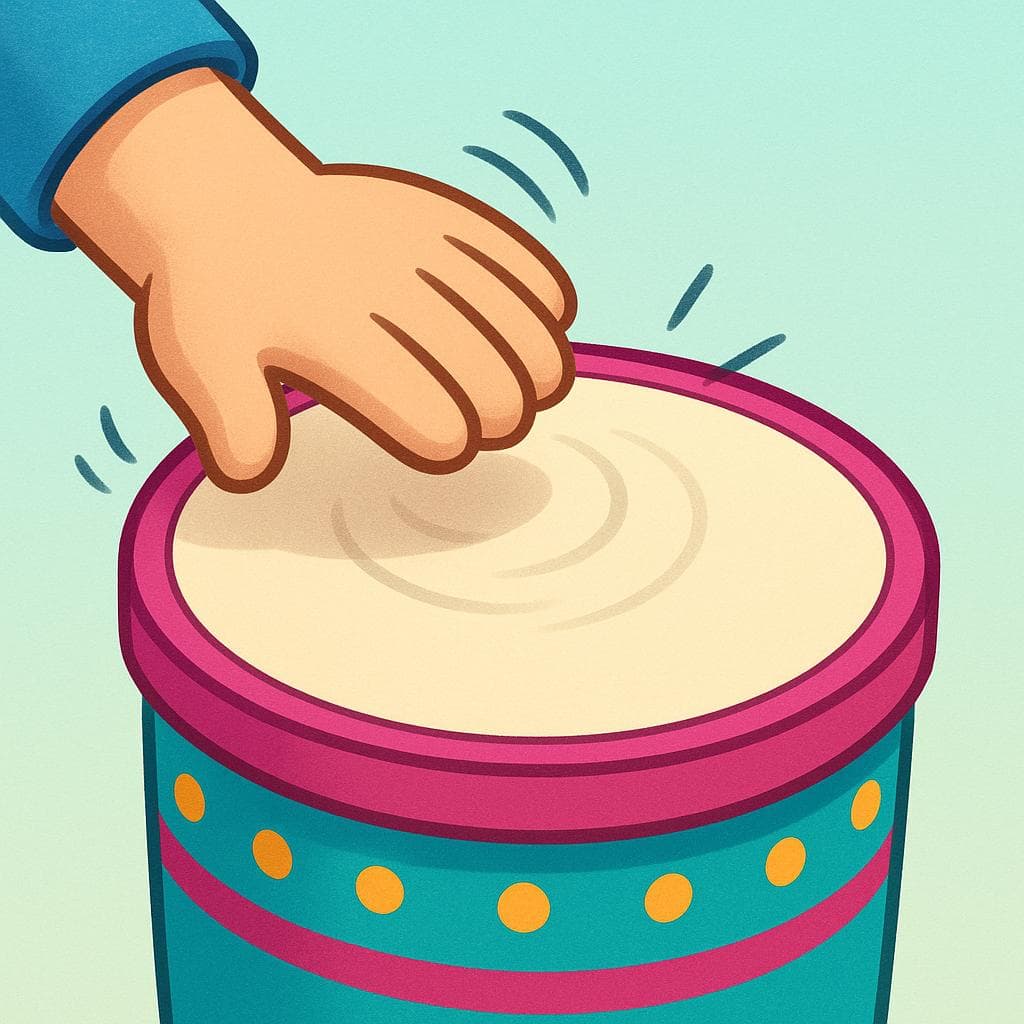
Si usted golpea el tambor, sonará más fuerte.
If you (formal) hit the drum, it will sound louder.
Dual Role of 'Golpea'
This single form means two things: 'He/She/It hits' (Present tense) AND 'Hit!' (giving a friendly command to one person, the tú imperative).
Confusing 'Golpear' and 'Pegar'
Mistake: “Using 'pegar' when referring to the wind or waves hitting something, which often sounds too harsh.”
Correction: 'Golpear' is better for non-aggressive striking, like wind on a window or waves on the shore. 'El mar golpea la costa'.
toca
TOH-kahˈtoka
Examples
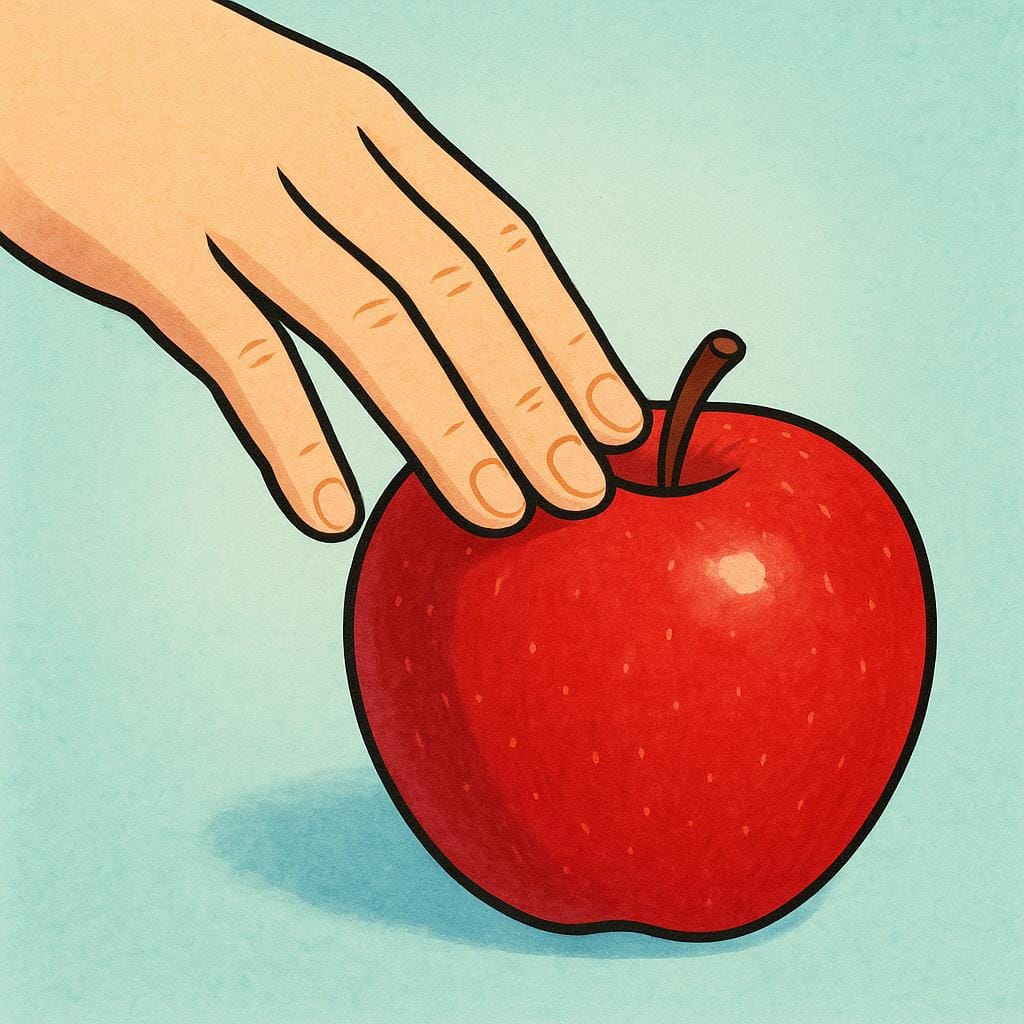
Ella nunca toca la pared porque está recién pintada.
She never touches the wall because it's freshly painted.
¿Quién toca la puerta?
Who is knocking on the door?
Usted toca el tema con demasiada sensibilidad.
You (formal) approach the subject too sensitively.
Pronouncing the Hard 'K' Sound
The letter 'c' sounds like 'k' when followed by a, o, or u (tocar). However, if you need to use the 'k' sound before e or i, the spelling changes to 'qu' (e.g., toqué, toques).
Confusing 'Tocar' with 'Sentir'
Mistake: “Using 'tocar' to express emotional feeling (e.g., 'Toco triste').”
Correction: Use 'sentir' for feelings ('Siento triste') and 'tocar' only for physical contact or playing music.
golpes
GOHL-pehsˈɡolpes
Examples
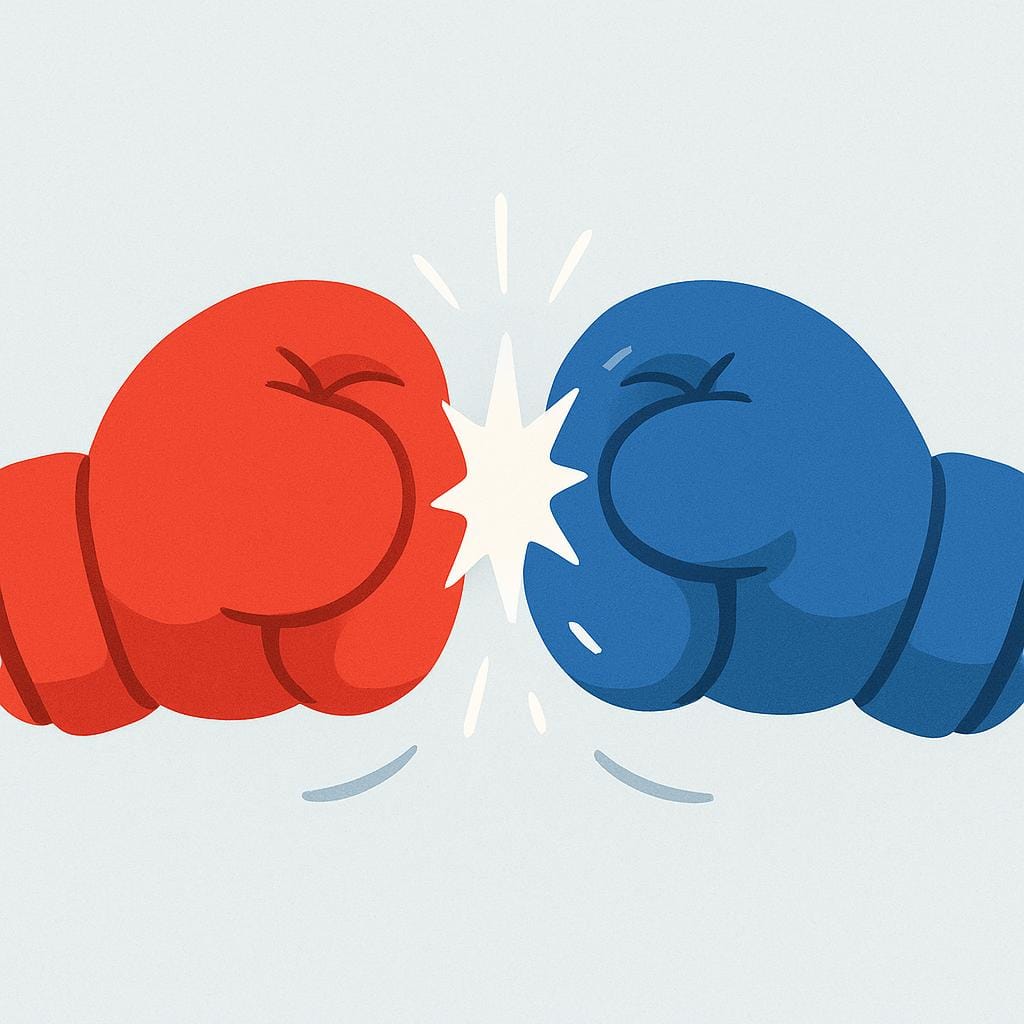
El árbol resistió los golpes del viento fuerte.
The tree resisted the blows from the strong wind.
Después de la pelea, tenía muchos golpes en el cuerpo.
After the fight, he had many bruises/hits on his body.
La empresa sufrió varios golpes financieros este año.
The company suffered several financial shocks this year.
Always Masculine
Remember that 'golpes' is a masculine plural noun, so any descriptive words (adjectives) you use with it must also be masculine and plural: 'golpes fuertes' (strong blows).
Using 'Golpes' for Bruises
Mistake: “Using 'golpes' to mean 'bruises' when the focus is the discoloration: 'Tengo un golpe azul.'”
Correction: While 'golpe' can mean the injury, 'moretón' is the common word for the bruise itself. Say: 'Tengo un moretón grande.' (I have a big bruise.)
toques
TOH-kehs[ˈto.kes]
Examples
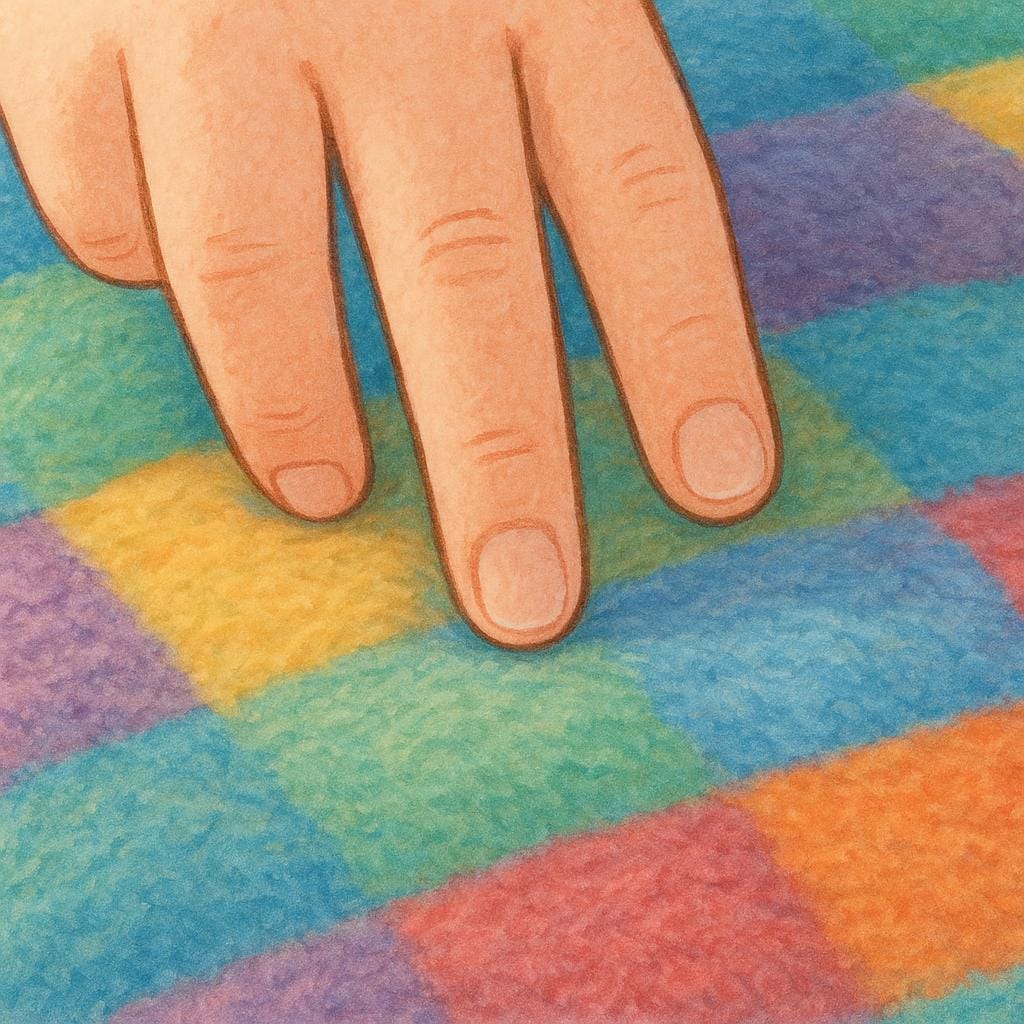
Necesita unos toques de sal para mejorar el sabor.
It needs a few touches of salt to improve the flavor.
Escuché unos toques en la ventana y me asusté.
I heard some knocks on the window and got scared.
La pintura tiene unos toques impresionistas muy bonitos.
The painting has some very beautiful Impressionistic touches (flair).
Plural of 'toque'
This is the plural form of the masculine noun 'el toque'. It means more than one 'touch' or 'knock'.
Verb vs. Noun Confusion
Learn Spanish with Inklingo
Interactive stories, personalized learning, and more.