How to Say "tour" in Spanish
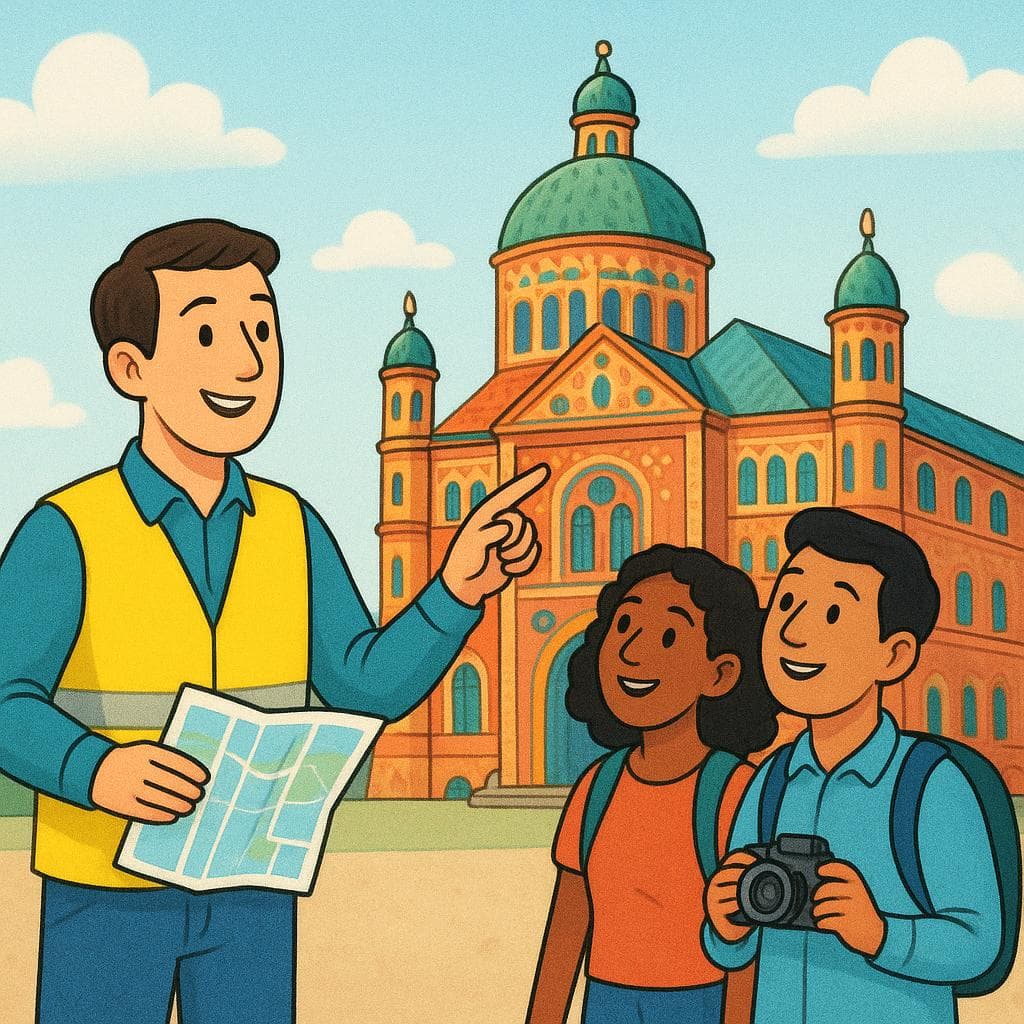
The most common Spanish word for “tour” is “tour” — use 'tour' for a guided visit, sightseeing trip, or a series of performances/competitions, especially when the English word 'tour' is commonly used in Spanish.

tour
toortuɾ
Examples
Hicimos un tour de tres horas por el centro de la ciudad.
We did a three-hour tour of the city center.
¿A qué hora sale el tour para ver las pirámides?
What time does the tour to see the pyramids leave?
El tour incluye transporte y almuerzo.
The tour includes transportation and lunch.
La banda de rock anunció su tour mundial para el próximo año.
The rock band announced their world tour for next year.
Gender Rule
'Tour' is a foreign word, but because it ends in a consonant and refers to a trip, it is always treated as masculine in Spanish: 'el tour'.
Capitalization in Titles
When referring to specific famous events, like 'El Tour de Francia' (The Tour de France), the word 'Tour' is usually capitalized, treating it as a proper noun.
Using the wrong article
Mistake: “La tour empieza a las diez.”
Correction: El tour empieza a las diez. (Always use 'el' or 'un'.)
gira
HEE-rahˈxi.ɾa

Examples
El famoso cantante anunció su gira mundial para el próximo año.
The famous singer announced his world tour for next year.
La gira de promoción duró casi tres meses.
The promotional tour lasted almost three months.
Always Feminine
Remember to use the feminine article 'la' or 'una' with 'gira,' even though it ends in '-a' like many feminine nouns.
recorrido
reh-koh-REE-dohrekoˈriðo
Examples
¿Cuál es el recorrido de la maratón?
What is the route of the marathon?
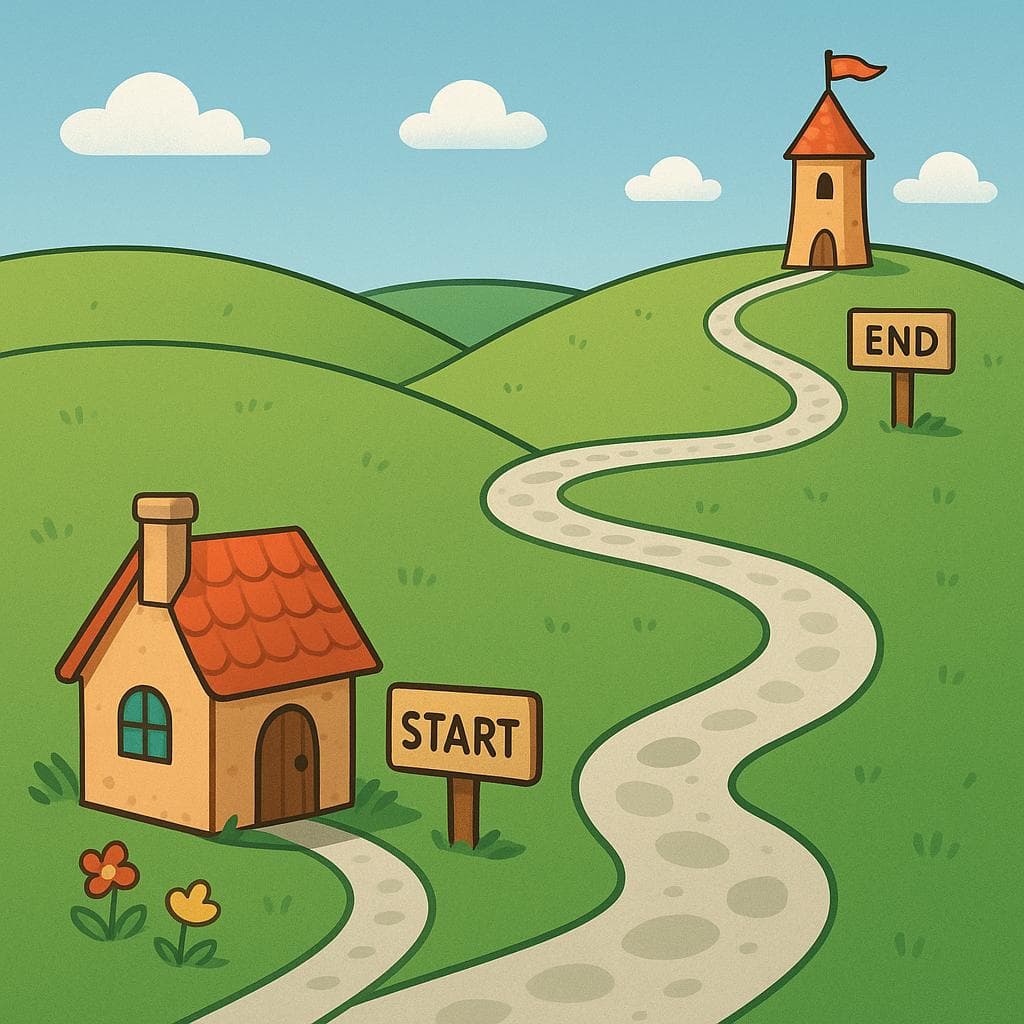
El recorrido por la ciudad duró tres horas.
The tour of the city lasted three hours.
Necesitamos revisar el recorrido total antes de salir.
We need to check the total distance before leaving.
Gender Reminder
As a noun, 'recorrido' is always masculine, so you use 'el' or 'un' with it.
circuito
seer-KWEE-tohsiɾˈkwito
Examples
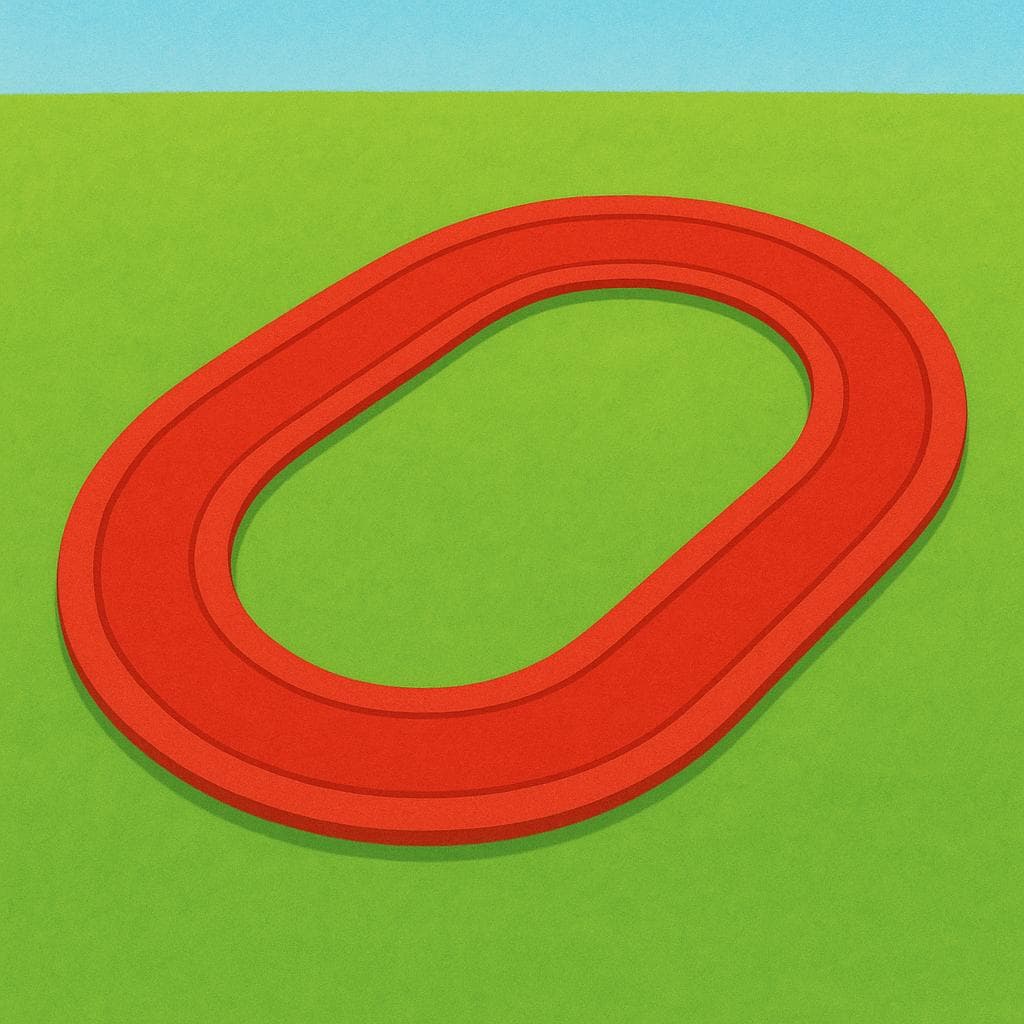
El Gran Premio se celebrará en el circuito de Mónaco.
The Grand Prix will be held on the Monaco circuit (track).
Hicimos un circuito turístico por todas las capitales andinas.
We did a tourist route (circuit) through all the Andean capitals.
La carrera de caballos tiene un circuito muy desafiante.
The horse race has a very challenging track.
Gender Reminder
Remember that 'circuito' is always masculine, so you use 'el' or 'un' with it (e.g., 'el circuito grande').
Confusing with 'círculo'
Mistake: “Usar 'círculo' when referring to a race track.”
Correction: 'Círculo' means a geometric shape (circle); 'circuito' means the path or loop of a route or track.
ronda
RRON-dahˈron.da
Examples
El guardia de seguridad hace una ronda cada hora.
The security guard does a patrol every hour.
Esta es la última ronda de negociaciones antes del acuerdo final.
This is the last round of negotiations before the final agreement.
Pasamos a la segunda ronda del torneo.
We moved on to the second round of the tournament.
Tour vs. Gira vs. Recorrido
Related Translations
Learn Spanish with Inklingo
Interactive stories, personalized learning, and more.