How to Say "track" in Spanish
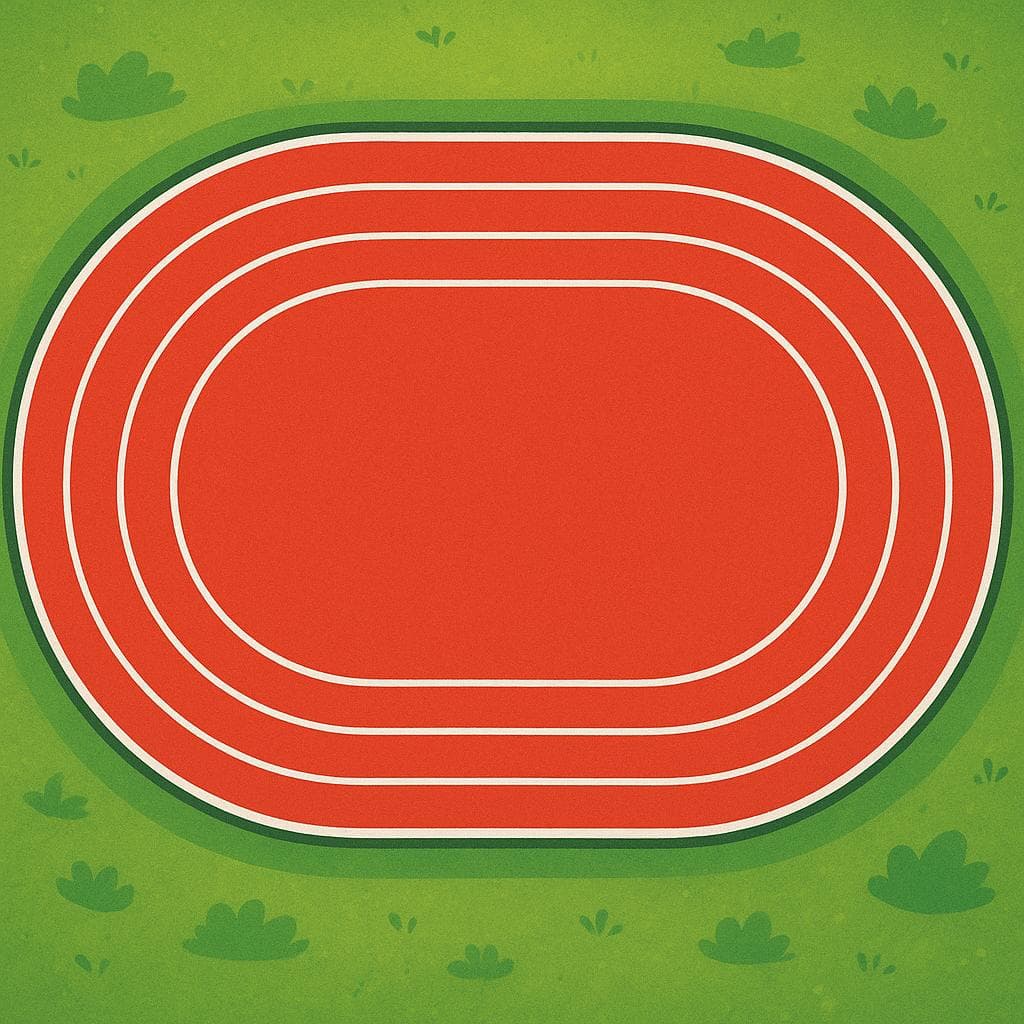
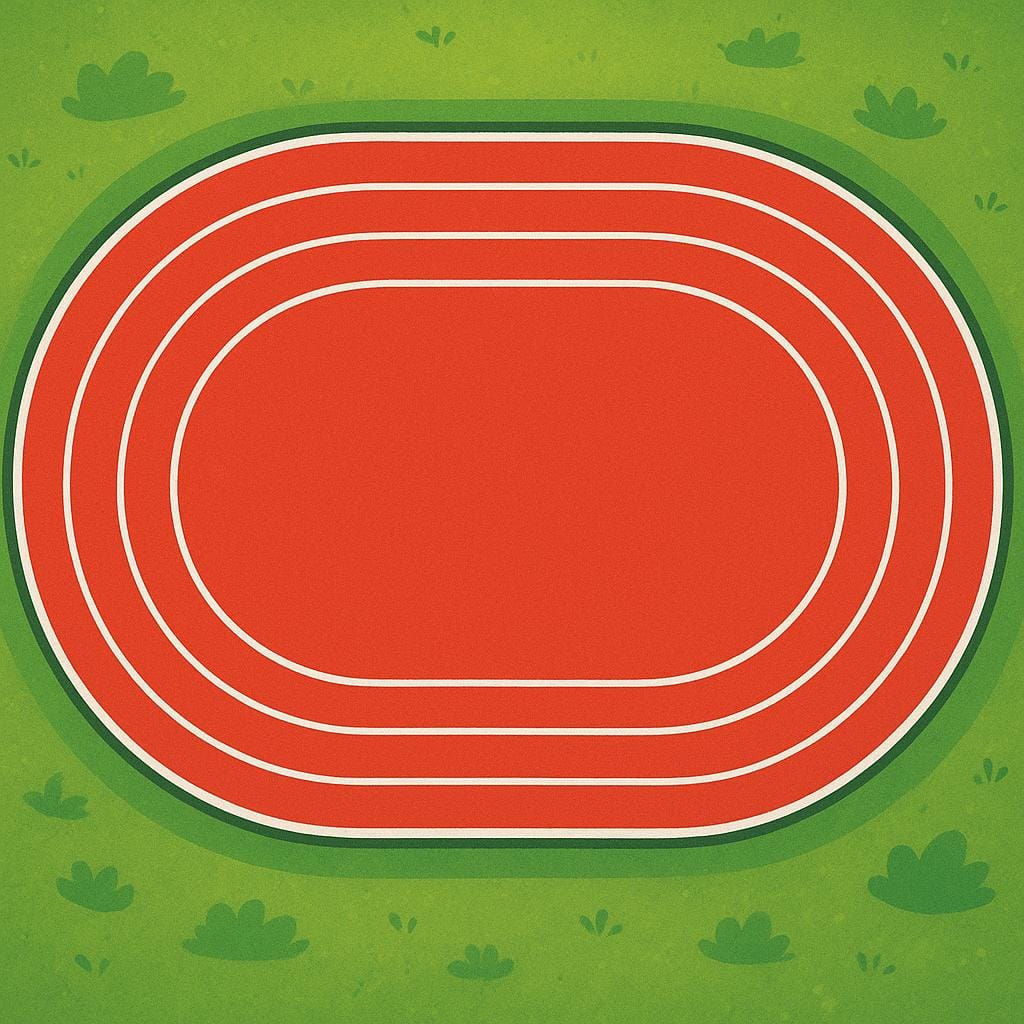
The most common Spanish word for “track” is “pista” — use 'pista' for a race track (cars, running) or a specific song on an album.







pista
PEES-tahˈpis.ta
Examples
Los coches de carreras van muy rápido en la pista.
The race cars go very fast on the track.
Tenemos reservada la pista de tenis a las cinco.
We have the tennis court reserved at five.
Me encanta patinar en la pista de hielo en invierno.
I love skating at the ice rink in winter.
Mi canción favorita es la pista 3 del nuevo álbum.
My favorite song is track 3 on the new album.
rastrear
rahs-treh-arras.tɾeˈaɾ
Examples
Quiero rastrear mi paquete, ¿ya salió de la aduana?
I want to track my package; has it left customs yet?
La policía pudo rastrear la llamada hasta un edificio abandonado.
The police were able to trace the call to an abandoned building.
Los perros están rastreando el olor del excursionista perdido.
The dogs are tracking the scent of the lost hiker.
A Regular Verb
Rastrear is a completely regular -AR verb, meaning it follows all the standard conjugation patterns. If you know how to conjugate 'hablar,' you know how to conjugate 'rastrear'!
Confusing 'Rastrear' and 'Buscar'
Mistake: “Usar 'rastrear' cuando solo se quiere 'buscar'.”
Correction: Use 'buscar' (to look for) when the item is simply lost. Use 'rastrear' (to track/trace) when you are following a systematic trail or signal.
huella
WEY-yahˈweʝa
Examples
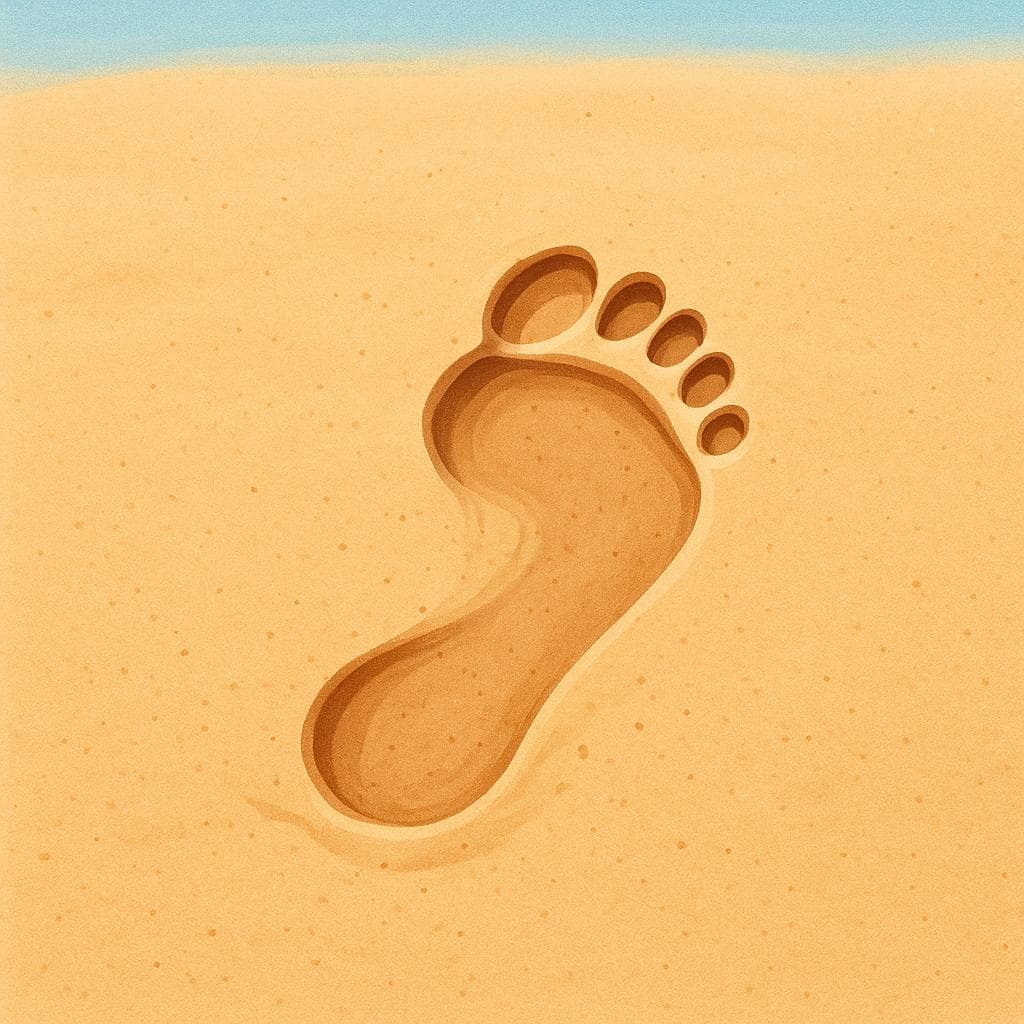
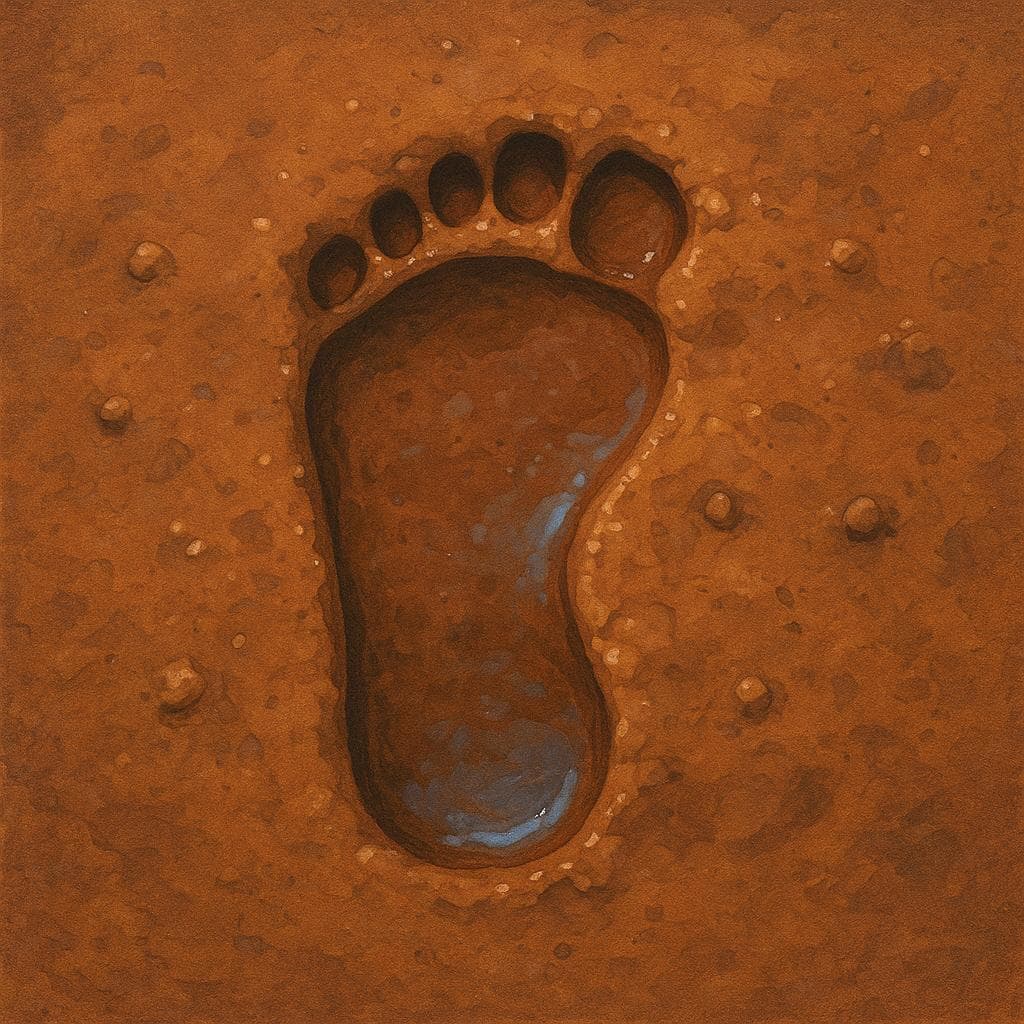
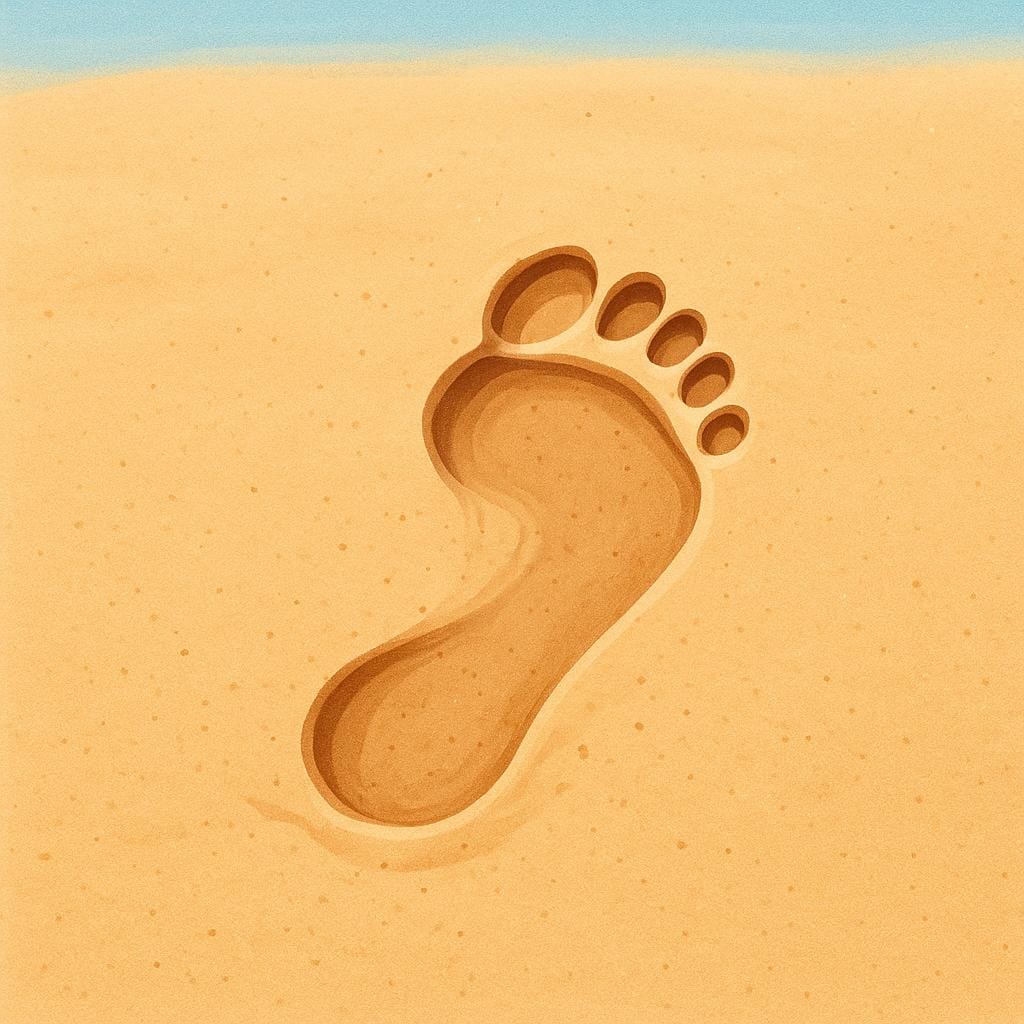
El perro dejó huellas de barro por toda la casa.
The dog left muddy footprints all over the house.
La policía buscaba huellas dactilares en la ventana.
The police were looking for fingerprints on the window.
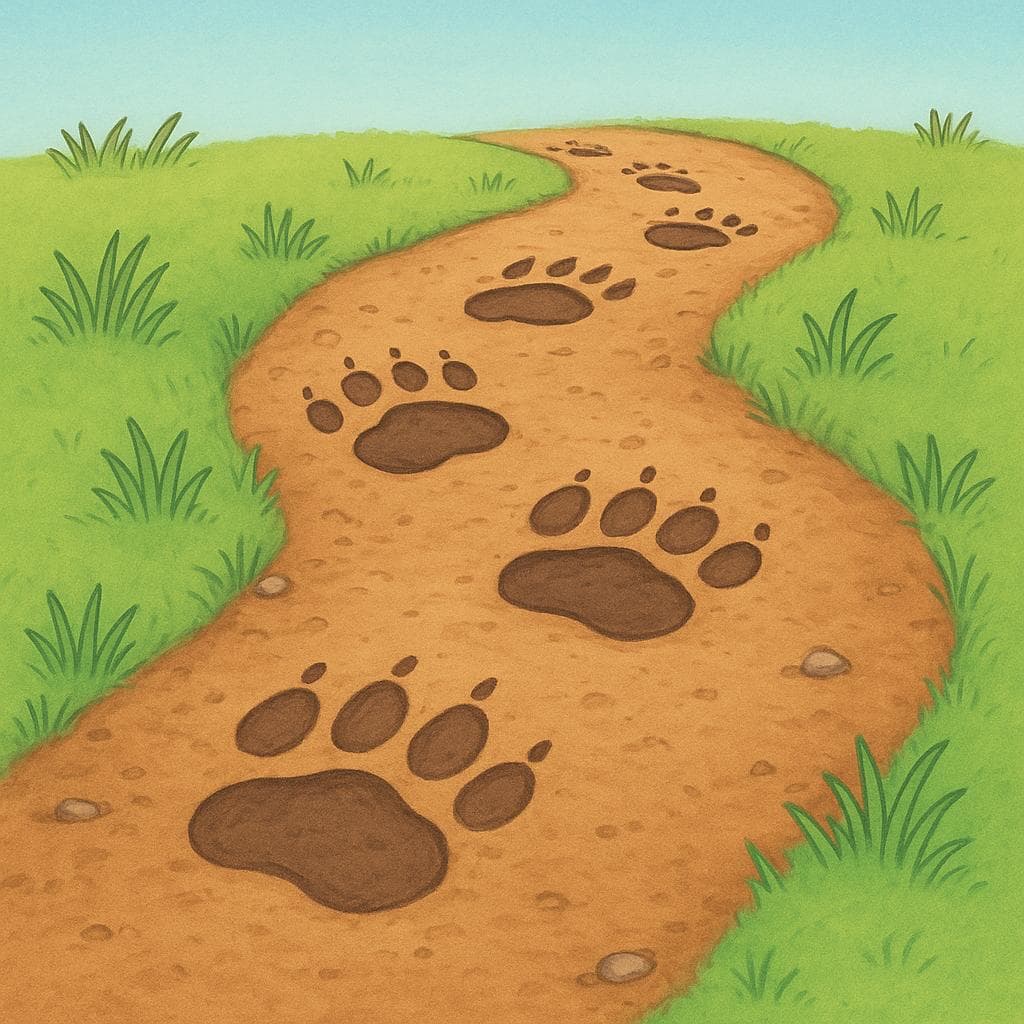
Vimos las huellas del venado en la orilla del río.
We saw the deer's tracks on the riverbank.
Feminine Noun
Remember that 'huella' is always feminine, even though it ends in '-a'. Make sure to use 'la' or 'una' before it.
rastro
RRAH-strohˈras.tɾo
Examples
No dejó ningún rastro de su visita.
He didn't leave any trace of his visit.
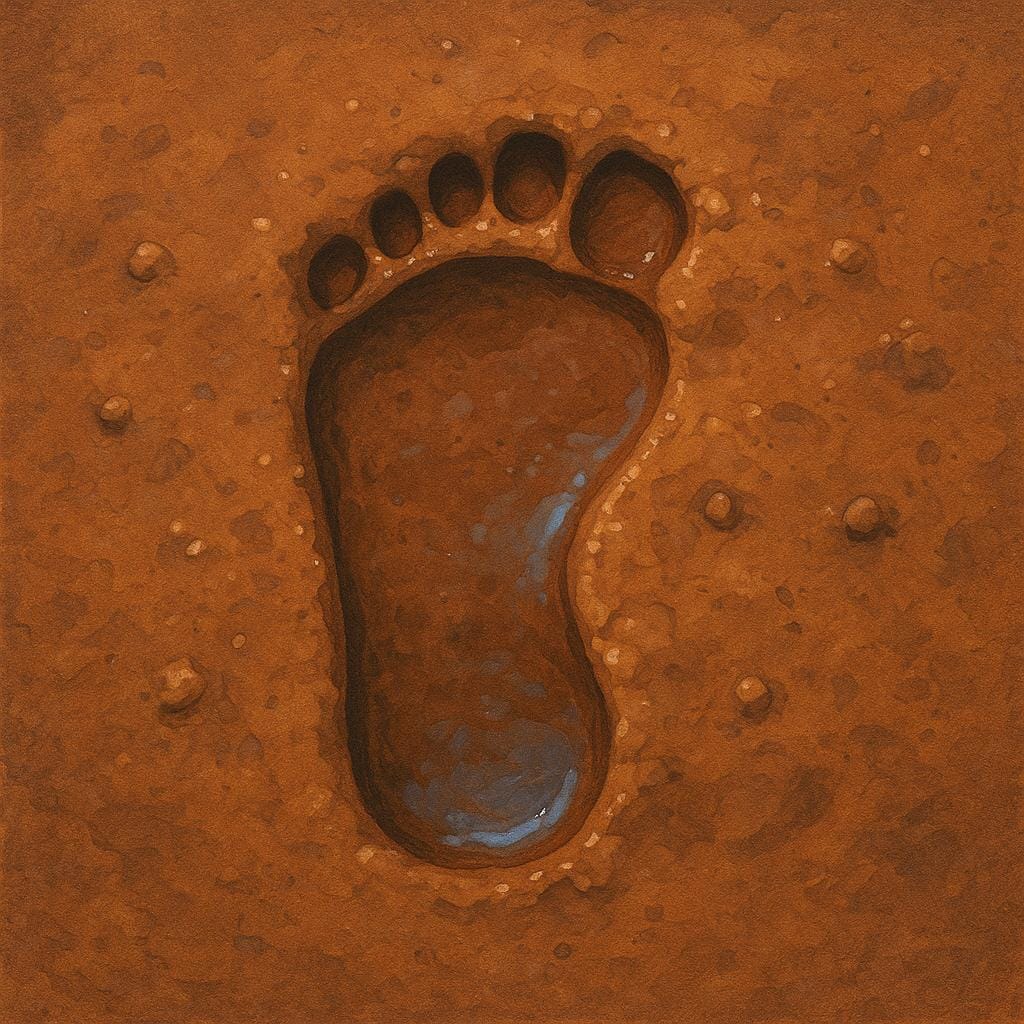
Los excursionistas siguieron el rastro de las huellas en la nieve.
The hikers followed the track of the footprints in the snow.
El rastro de neumáticos era muy claro en el barro.
The tire track was very clear in the mud.
Masculine Noun
Remember that 'rastro' is always a masculine word, so it uses 'el' (el rastro) and masculine adjectives (un rastro viejo).
Confusing Rastro and Pista
Mistake: “Using 'pista' when referring to a continuous, physical trail left on the ground.”
Correction: 'Rastro' usually refers to the physical marks left behind, while 'pista' is often used for abstract clues or a general sports track.
carril
kah-REELkaˈril

Examples
Tienes que conducir por el carril derecho.
You have to drive in the right lane.
El carril bici es muy seguro en esta ciudad.
The bike lane is very safe in this city.
No puedes cambiar de carril sin poner el intermitente.
You cannot change lanes without using your turn signal.
Masculine Gender
This word is always masculine. Remember to use 'el' or 'un' with it: 'el carril' or 'un carril'.
Using 'por' with carril
When talking about moving within a lane, use the word 'por' (through/along), as in 'ir por el carril'.
Carril vs. Calle
Mistake: “Vivo en un carril muy estrecho.”
Correction: Vivo en una calle muy estrecha.
vía
Examples
El tren a Sevilla sale de la vía número dos.
The train to Seville leaves from track number two.
sendero
sen-DEH-rohsenˈdeɾo

Examples
Caminamos por un sendero estrecho en el bosque.
We walked along a narrow path in the forest.
El sendero sube hasta la cima de la montaña.
The trail goes up to the top of the mountain.
Using 'El'
Since 'sendero' ends in 'o', it is masculine. Always use 'el' or 'un' with it.
Sendero vs. Camino
Mistake: “Using 'camino' for a tiny hiking trail.”
Correction: Use 'sendero' for narrow paths in nature and 'camino' for more general roads or paths.
senda
SEN-dahˈsenda

Examples
Caminamos por una senda estrecha en la montaña.
We walked along a narrow path in the mountain.
La senda estaba llena de flores silvestres.
The trail was full of wildflowers.
Es difícil ver la senda cuando anochece.
It is hard to see the path when it gets dark.
El país ha vuelto a la senda del crecimiento.
The country has returned to the path of growth.
Gender Identification
Since it ends in -a, it is a feminine noun. You should always use feminine words with it, like 'la senda' or 'una senda'.
Abstract Use
When using 'senda' for ideas (like 'growth' or 'victory'), we often use the pattern 'la senda de + [noun]'.
Senda vs. Camino
Mistake: “Using 'senda' to describe a big highway.”
Correction: Use 'carretera' for big roads. 'Senda' is specifically for small, narrow, often natural paths.
Word Order
Mistake: “La crecimiento senda.”
Correction: Always say 'La senda del crecimiento'. The noun describing the path comes after 'de'.
tema
TEH-mahˈte.ma

Examples
¿Has escuchado el último tema de este artista?
Have you heard this artist's latest song?
Mi tema favorito del álbum es el número tres.
My favorite track on the album is number three.
El tema de la película es muy famoso.
The theme song of the movie is very famous.
circuito
seer-KWEE-tohsiɾˈkwito

Examples
El Gran Premio se celebrará en el circuito de Mónaco.
The Grand Prix will be held on the Monaco circuit (track).
Hicimos un circuito turístico por todas las capitales andinas.
We did a tourist route (circuit) through all the Andean capitals.
La carrera de caballos tiene un circuito muy desafiante.
The horse race has a very challenging track.
Gender Reminder
Remember that 'circuito' is always masculine, so you use 'el' or 'un' with it (e.g., 'el circuito grande').
Confusing with 'círculo'
Mistake: “Usar 'círculo' when referring to a race track.”
Correction: 'Círculo' means a geometric shape (circle); 'circuito' means the path or loop of a route or track.
estela
es-TEH-lahesˈtela

Examples
El barco dejó una estela blanca en el mar azul.
The boat left a white wake in the blue sea.
Mira la estela del avión en el cielo.
Look at the plane's trail in the sky.
El gran escritor dejó una estela de sabiduría en sus libros.
The great writer left a legacy of wisdom in his books.
Gender and Articles
Even though 'estela' starts with an 'e', it is a feminine word. You always use 'la' or 'una' with it, never 'el'.
Abstract Meaning
Just like in English we say someone 'left their mark,' in Spanish you can use 'estela' to describe the influence or memories a person leaves behind after they are gone.
Confusing with 'estrella'
Mistake: “Mira la estrella del avión.”
Correction: Mira la estela del avión.
modalidad
mo-dah-lee-DAHDmo.ða.liˈðað
Examples
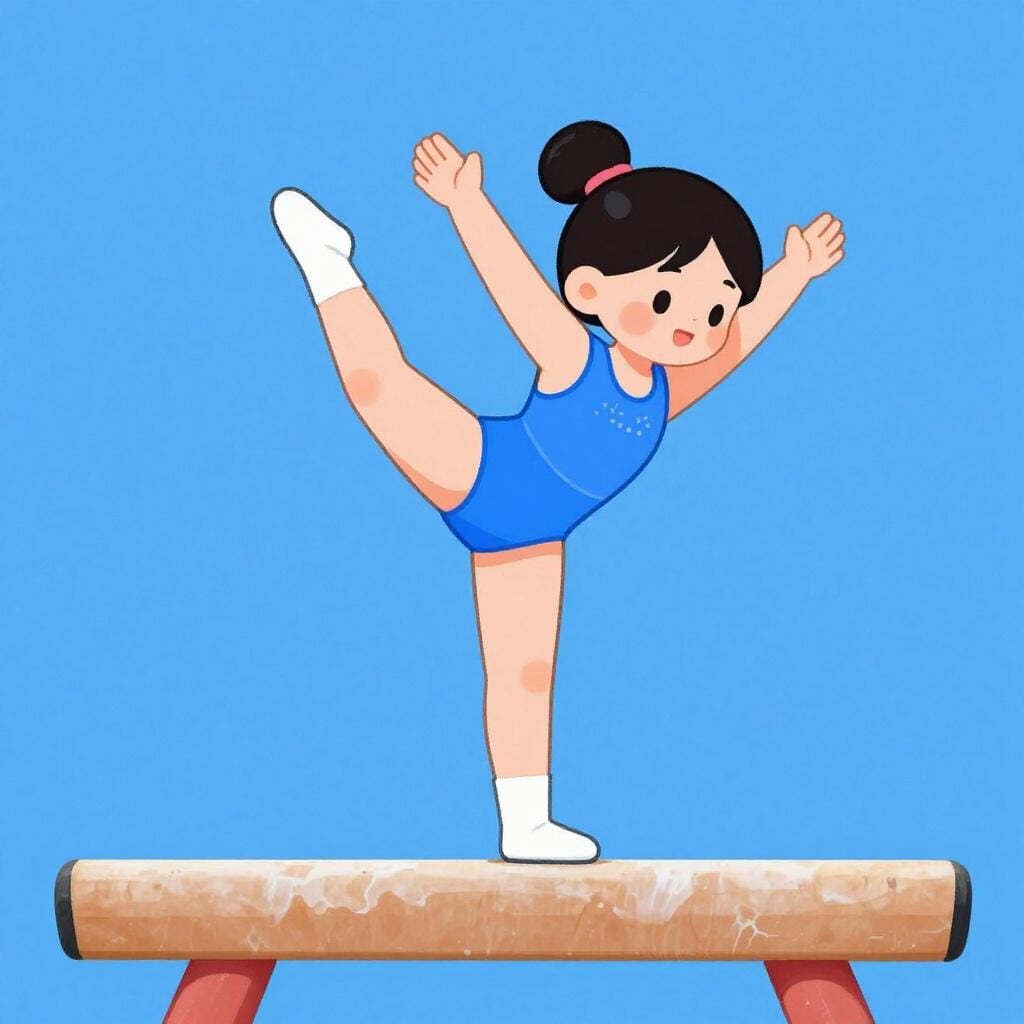
Ella compite en la modalidad de natación sincronizada.
She competes in the synchronized swimming discipline.
El examen varía según la modalidad de bachillerato.
The exam varies according to the high school track.
En esta modalidad deportiva, la velocidad es clave.
In this sporting category, speed is key.
Use with 'de'
When identifying a specific type, we usually follow 'modalidad' with the word 'de' (modalidad de + noun).
Direct translation from 'discipline'
Mistake: “disciplina de natación”
Correction: modalidad de natación (while 'disciplina' works, 'modalidad' is often more natural for specific competition types).
Pista vs. Huella vs. Rastro
Learn Spanish with Inklingo
Interactive stories, personalized learning, and more.