How to Say "trail" in Spanish
The most common Spanish word for “trail” is “rastro” — use 'rastro' when referring to a sign or evidence left behind, like a trace of someone's presence, or specifically a scent trail for tracking.
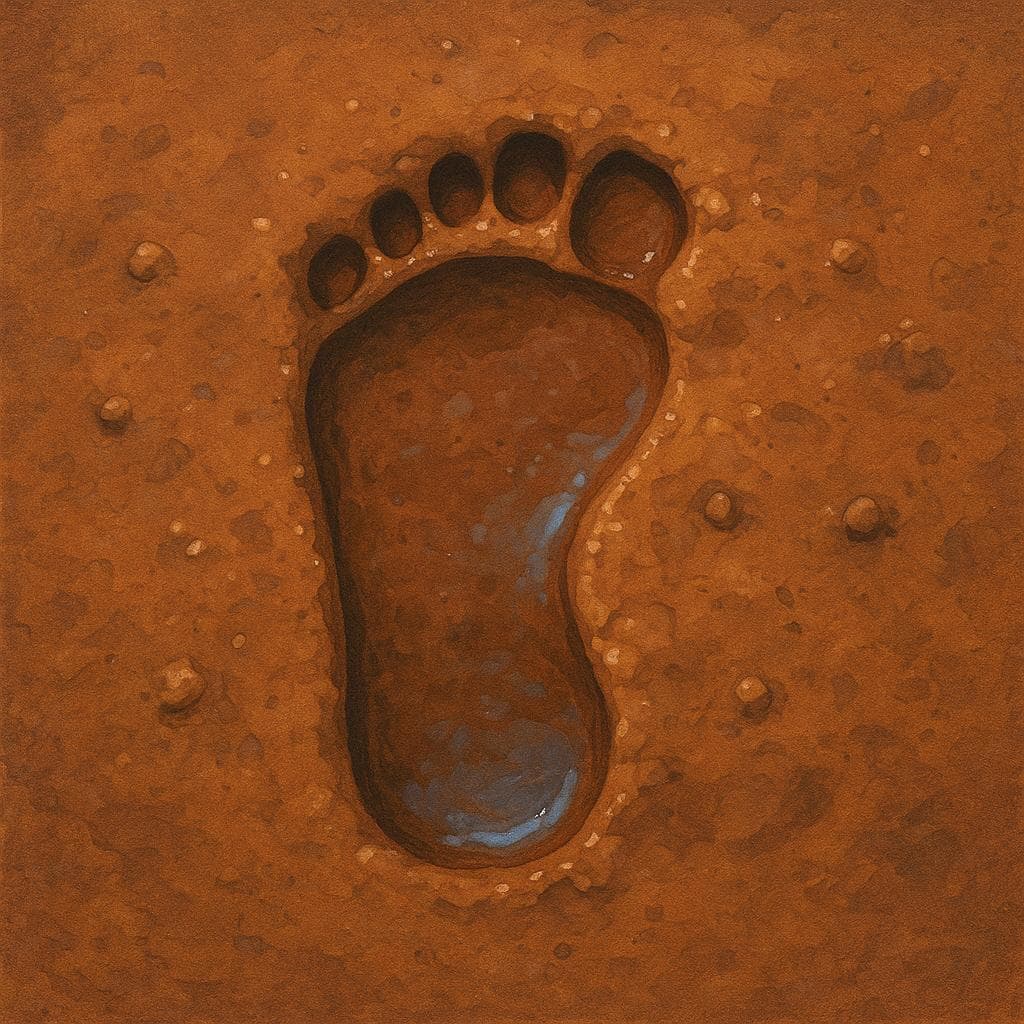
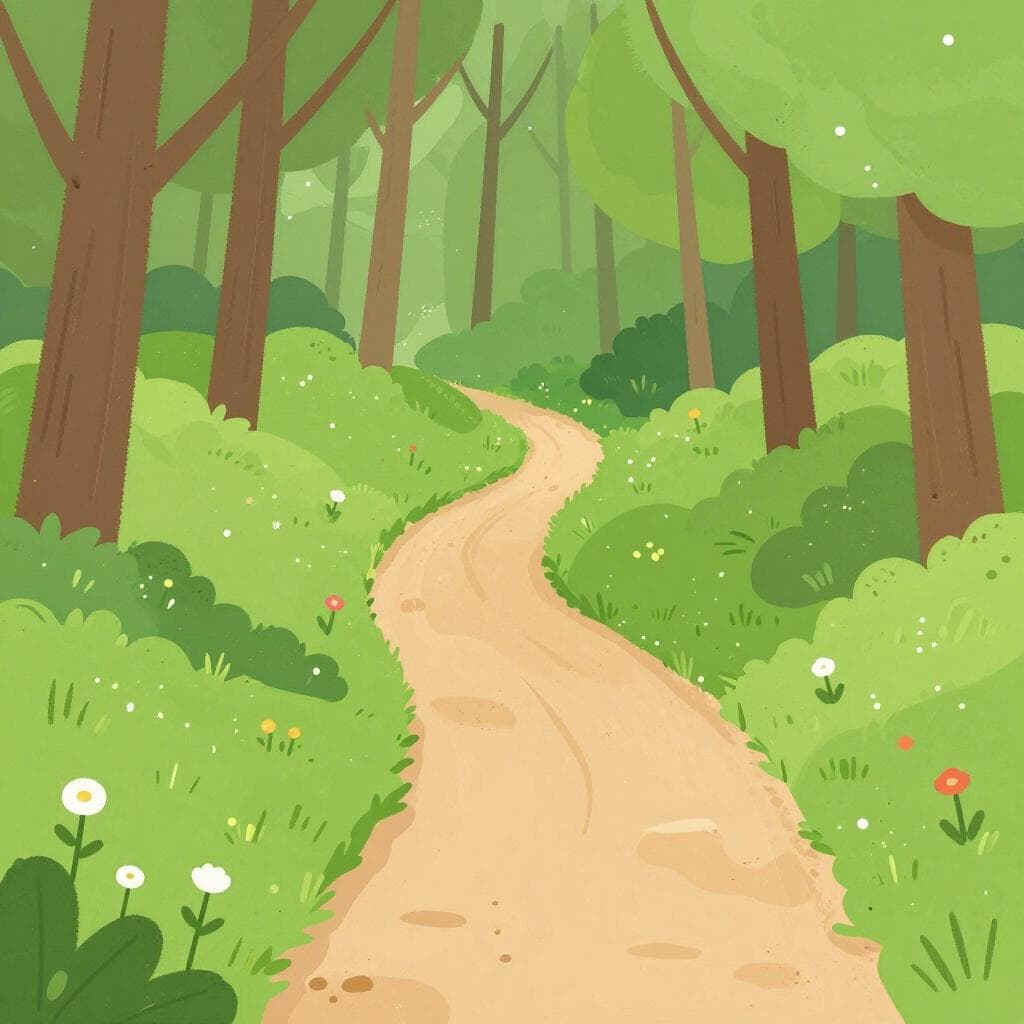


rastro
RRAH-strohˈras.tɾo
Examples
El detective siguió el rastro del sospechoso.
The detective followed the suspect's trail.
No dejó ningún rastro de su visita.
He didn't leave any trace of his visit.
Los excursionistas siguieron el rastro de las huellas en la nieve.
The hikers followed the track of the footprints in the snow.
El rastro de neumáticos era muy claro en el barro.
The tire track was very clear in the mud.
Masculine Noun
Remember that 'rastro' is always a masculine word, so it uses 'el' (el rastro) and masculine adjectives (un rastro viejo).
Confusing Rastro and Pista
Mistake: “Using 'pista' when referring to a continuous, physical trail left on the ground.”
Correction: 'Rastro' usually refers to the physical marks left behind, while 'pista' is often used for abstract clues or a general sports track.
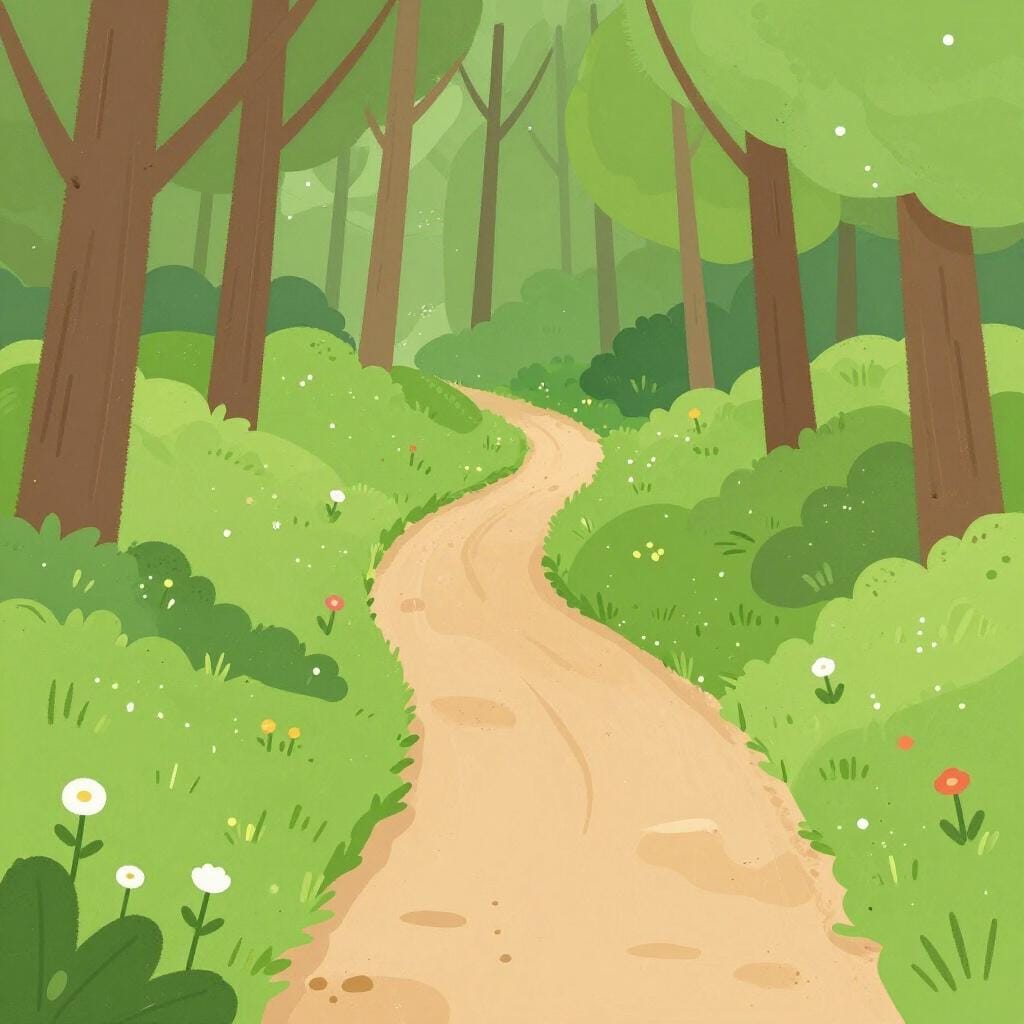
sendero
sen-DEH-rohsenˈdeɾo
Examples
Perdimos el sendero y tuvimos que volver.
We lost the trail and had to turn back.
Caminamos por un sendero estrecho en el bosque.
We walked along a narrow path in the forest.
El sendero sube hasta la cima de la montaña.
The trail goes up to the top of the mountain.
Using 'El'
Since 'sendero' ends in 'o', it is masculine. Always use 'el' or 'un' with it.
Sendero vs. Camino
Mistake: “Using 'camino' for a tiny hiking trail.”
Correction: Use 'sendero' for narrow paths in nature and 'camino' for more general roads or paths.
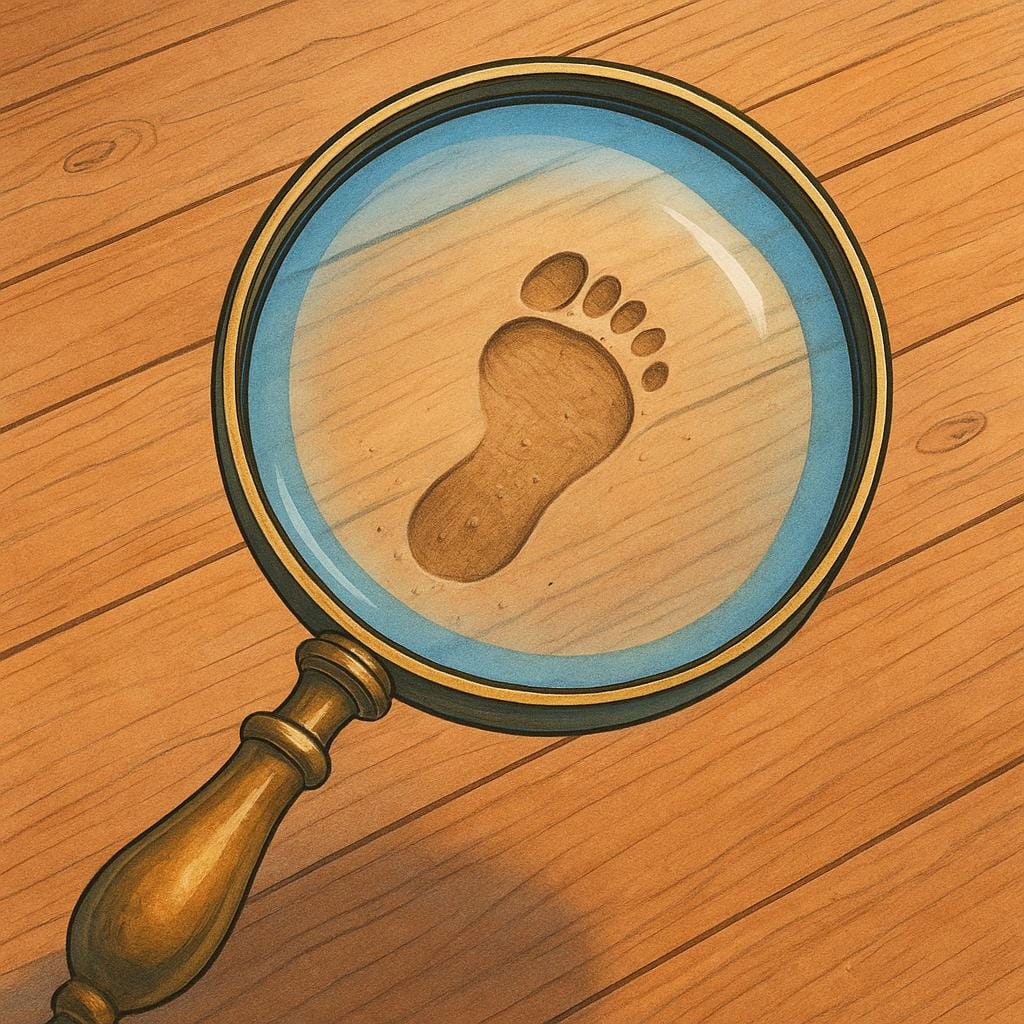
pista
PEES-tahˈpis.ta
Examples
Necesito una pista para resolver este acertijo.
I need a clue/trail to solve this riddle.
No sé la respuesta, ¿puedes darme una pista?
I don't know the answer, can you give me a hint?
La policía no tiene pistas sobre el robo.
The police have no leads on the robbery.
Seguimos la pista de las huellas en la nieve.
We followed the trail of the footprints in the snow.
senda
SEN-dahˈsenda

Examples
La senda nos llevó a una cascada escondida.
The trail led us to a hidden waterfall.
Caminamos por una senda estrecha en la montaña.
We walked along a narrow path in the mountain.
La senda estaba llena de flores silvestres.
The trail was full of wildflowers.
Es difícil ver la senda cuando anochece.
It is hard to see the path when it gets dark.
Gender Identification
Since it ends in -a, it is a feminine noun. You should always use feminine words with it, like 'la senda' or 'una senda'.
Senda vs. Camino
Mistake: “Using 'senda' to describe a big highway.”
Correction: Use 'carretera' for big roads. 'Senda' is specifically for small, narrow, often natural paths.
estela
es-TEH-lahesˈtela

Examples
El avión dejó una estela blanca en el cielo.
The plane left a white trail in the sky.
El barco dejó una estela blanca en el mar azul.
The boat left a white wake in the blue sea.
Mira la estela del avión en el cielo.
Look at the plane's trail in the sky.
El gran escritor dejó una estela de sabiduría en sus libros.
The great writer left a legacy of wisdom in his books.
Gender and Articles
Even though 'estela' starts with an 'e', it is a feminine word. You always use 'la' or 'una' with it, never 'el'.
Abstract Meaning
Just like in English we say someone 'left their mark,' in Spanish you can use 'estela' to describe the influence or memories a person leaves behind after they are gone.
Confusing with 'estrella'
Mistake: “Mira la estrella del avión.”
Correction: Mira la estela del avión.
Physical Paths vs. Clues
Related Translations
Learn Spanish with Inklingo
Interactive stories, personalized learning, and more.