How to Say "tradition" in Spanish
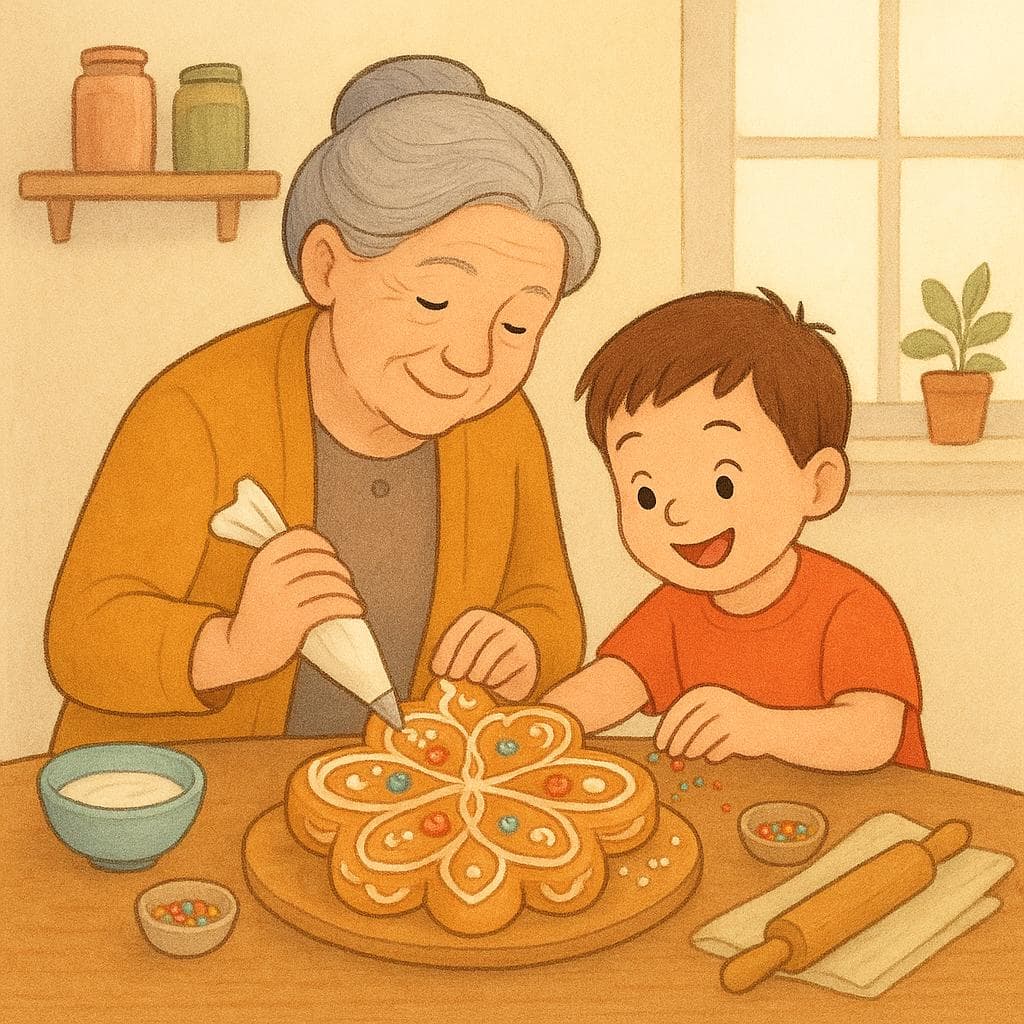
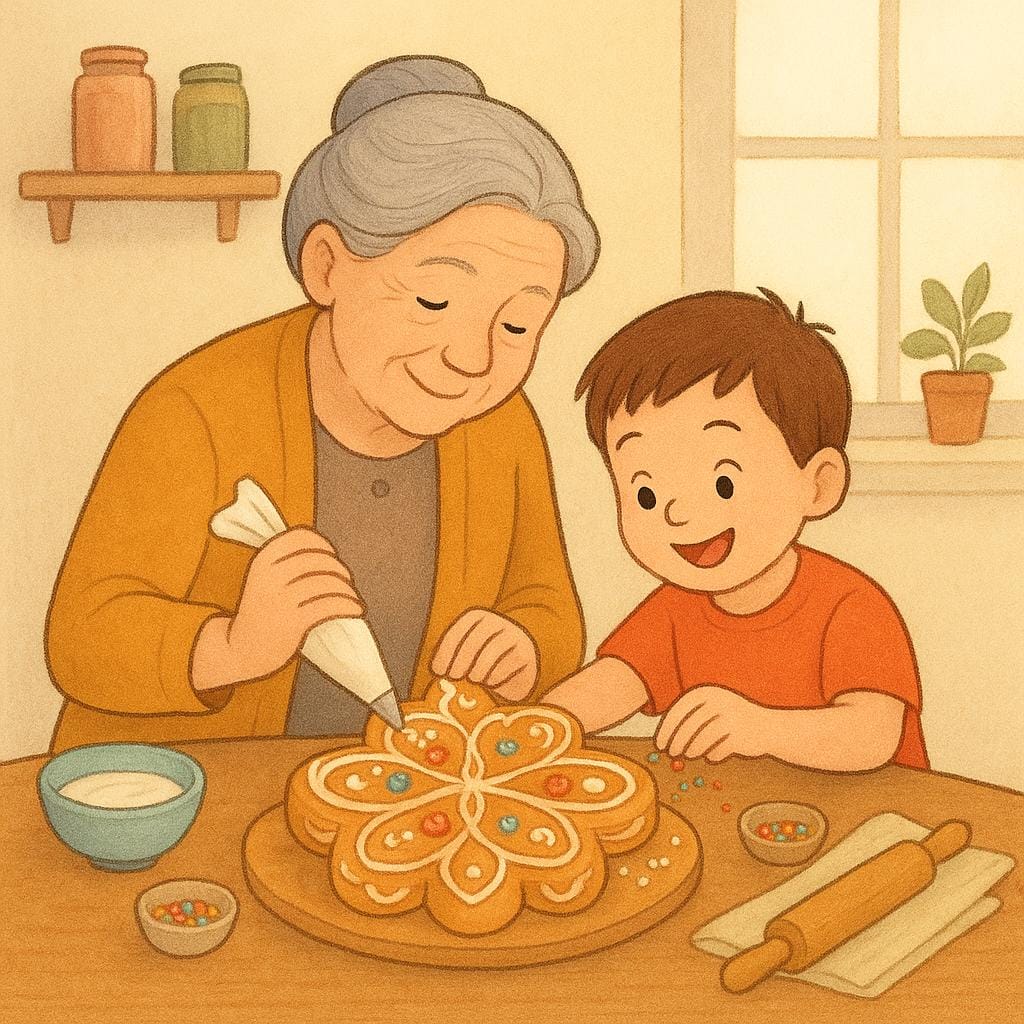
The most common Spanish word for “tradition” is “costumbre” — use 'costumbre' when referring to a regular social or cultural practice, habit, or way of doing things that is common within a group or community.
costumbre
cohs-TOOM-brehkosˈtum.bɾe
Examples
Es una costumbre muy antigua en este pueblo.
It is a very old tradition in this town.
Las costumbres sociales varían mucho entre países.
Social conventions vary greatly between countries.
Como de costumbre, la oficina estaba cerrada a esa hora.
As usual, the office was closed at that time.
Plural Usage
When talking about general societal rules or manners, you often use the plural: 'las costumbres' (the customs/manners).
tradición
Examples
La celebración del Día de Muertos es una tradición mexicana ancestral.
The celebration of the Day of the Dead is an ancient Mexican tradition.
institución
Examples
La libertad de prensa es una institución fundamental en la democracia.
Freedom of the press is a fundamental institution in democracy.
Costumbre vs. Tradición
Related Translations
Learn Spanish with Inklingo
Interactive stories, personalized learning, and more.