How to Say "tread" in Spanish
The most common Spanish word for “tread” is “huella” — use 'huella' when referring to the pattern left by a tire or shoe, like the tread on a car tire or footprints.
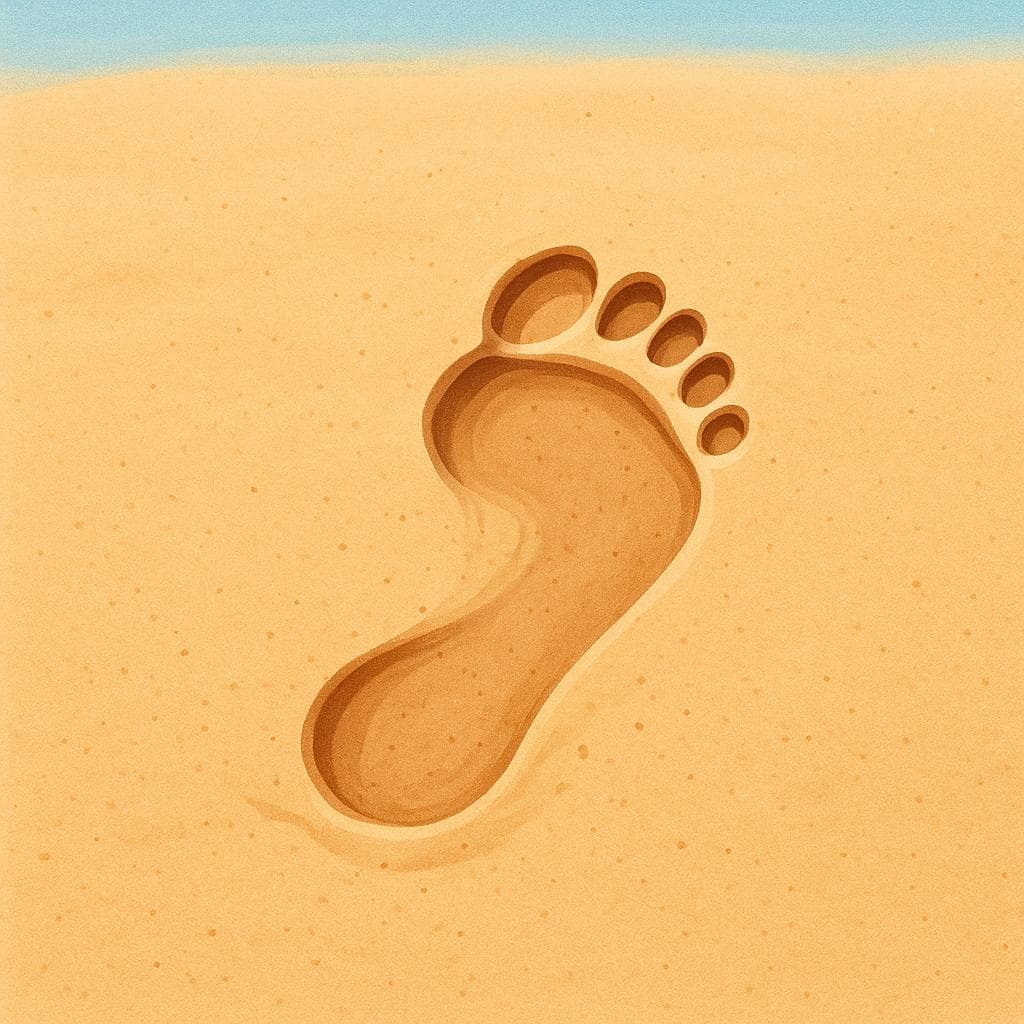
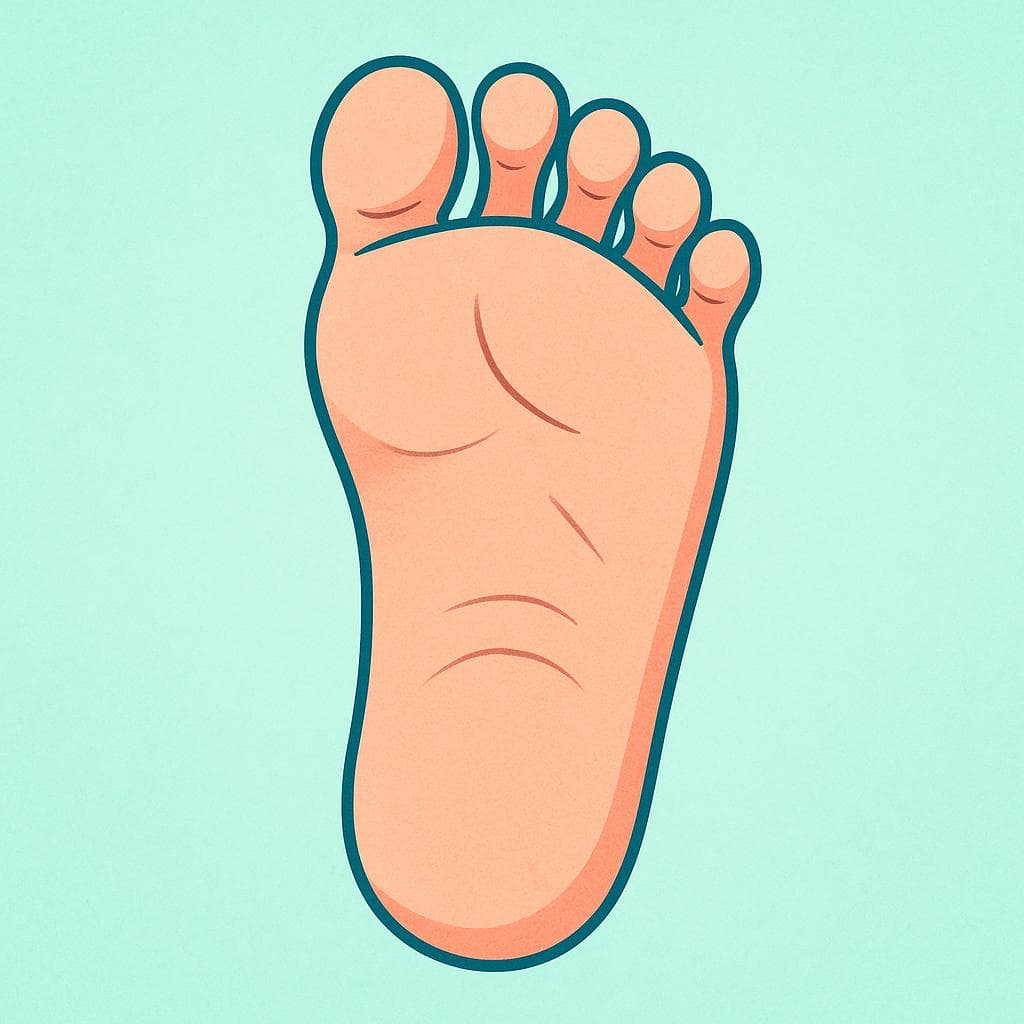
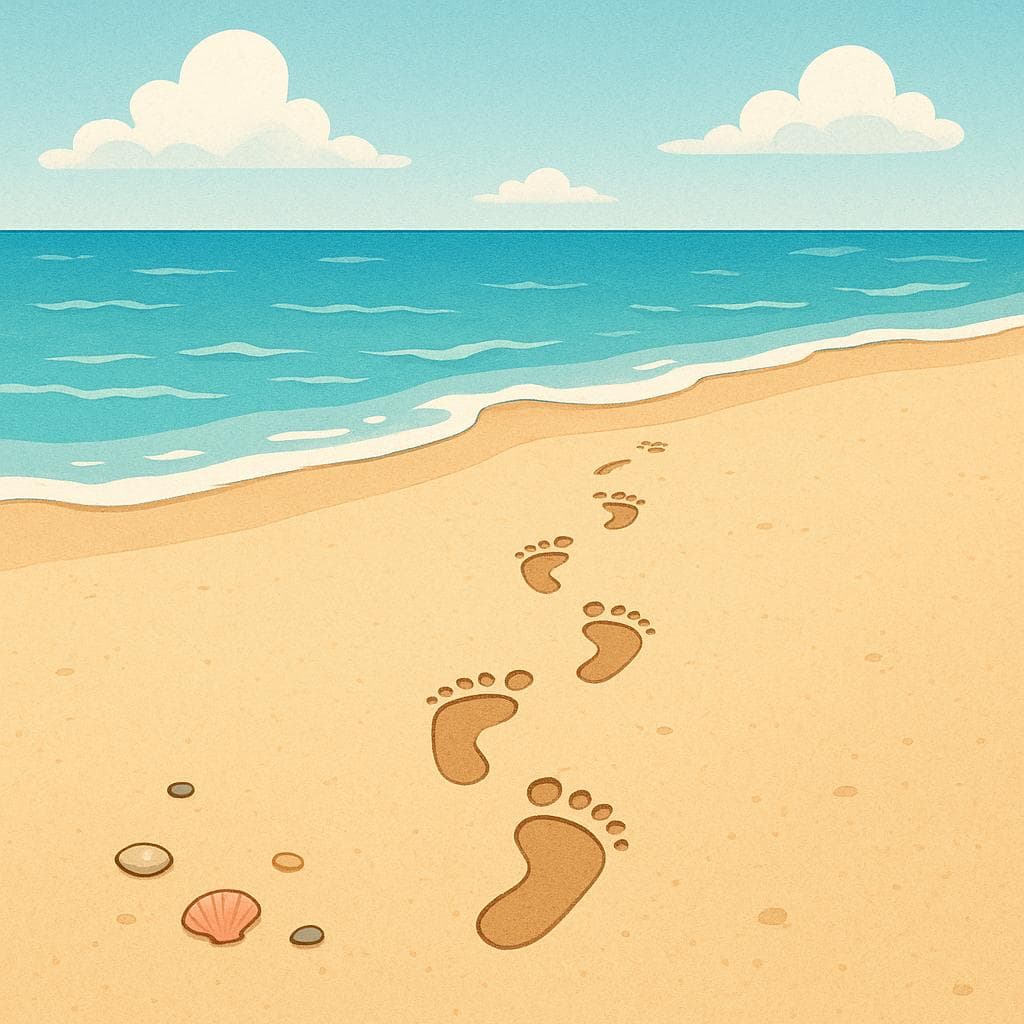
huella
WEY-yahˈweʝa
Examples
Las llantas nuevas tienen una huella profunda.
The new tires have a deep tread pattern.
El perro dejó huellas de barro por toda la casa.
The dog left muddy footprints all over the house.
La policía buscaba huellas dactilares en la ventana.
The police were looking for fingerprints on the window.
Vimos las huellas del venado en la orilla del río.
We saw the deer's tracks on the riverbank.
Feminine Noun
Remember that 'huella' is always feminine, even though it ends in '-a'. Make sure to use 'la' or 'una' before it.
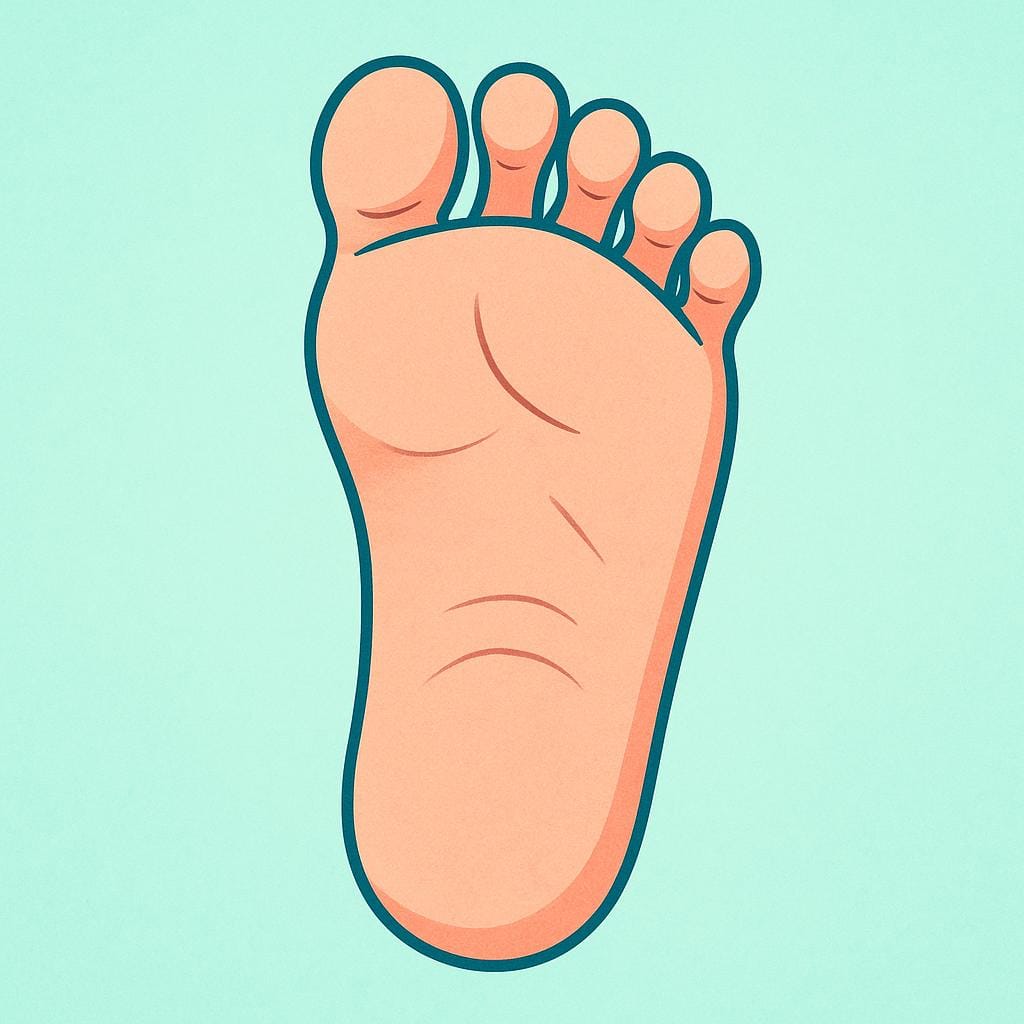
planta
PLAN-tahˈplan.ta
Examples
El zapato se desgastó por la planta.
The shoe wore out on the sole.
Sentí una astilla clavada en la planta del pie.
I felt a splinter stuck in the sole of my foot.
El masajista me frotó la planta para aliviar el dolor.
The masseuse rubbed my sole to relieve the pain.
Body Parts
Like many body parts, 'planta' is typically used with the definite article ('la') rather than a possessive word ('mi').
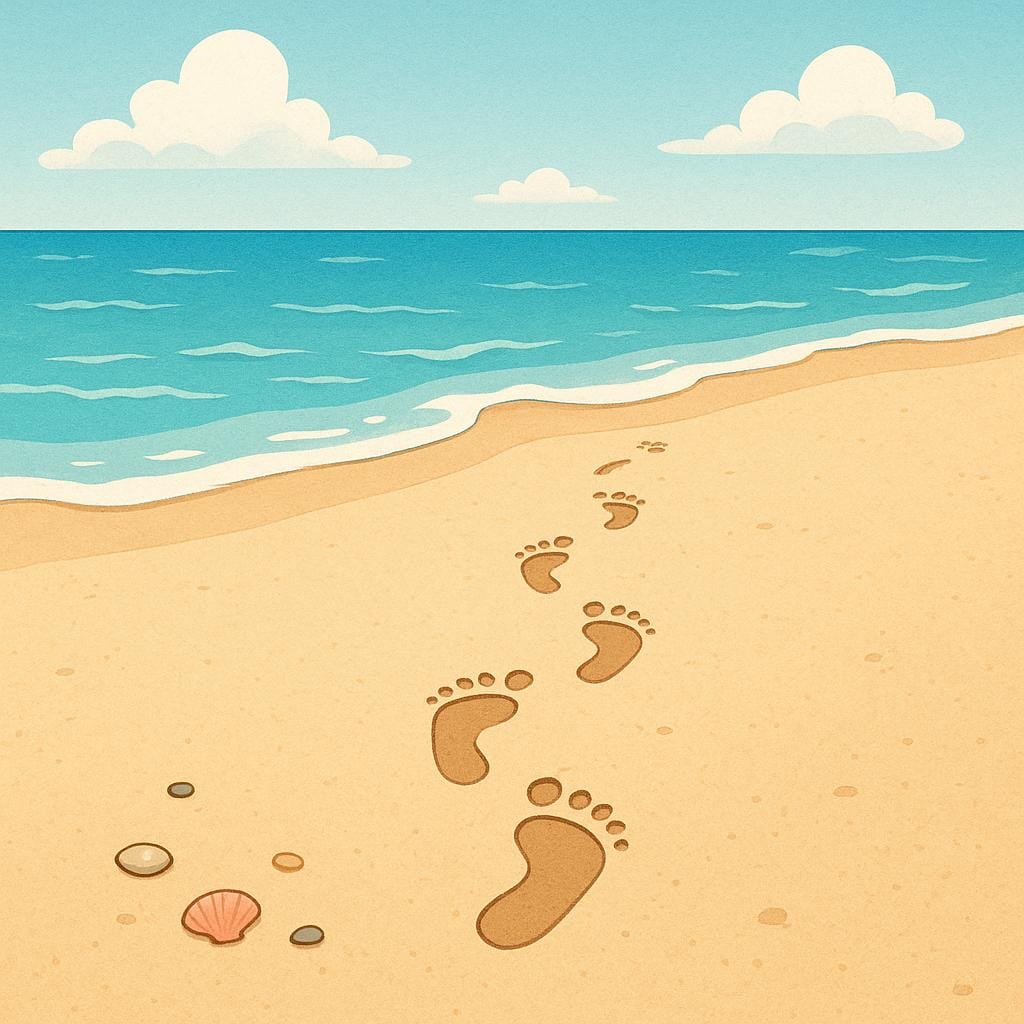
pasos
PAH-sohsˈpasos
Examples
El ladrón intentó andar sin hacer pasos.
The thief tried to walk without making footsteps.
Oí pasos en el pasillo, pero no vi a nadie.
I heard footsteps in the hallway, but I didn't see anyone.
Los pasos de mi padre eran muy pesados.
My father's footsteps were very heavy.
Footsteps vs. Footprints
Mistake: “Using 'pasos' when you mean the physical mark left on the ground.”
Correction: Use 'huellas' for footprints. 'Pasos' usually refers to the sound or the action itself.
Distinguishing Tread Pattern from Sole
Related Translations
Learn Spanish with Inklingo
Interactive stories, personalized learning, and more.