How to Say "variety" in Spanish
The most common Spanish word for “variety” is “variedad” — use 'variedad' when referring to a wide selection or assortment of different things, like a menu with many options or a collection of items.


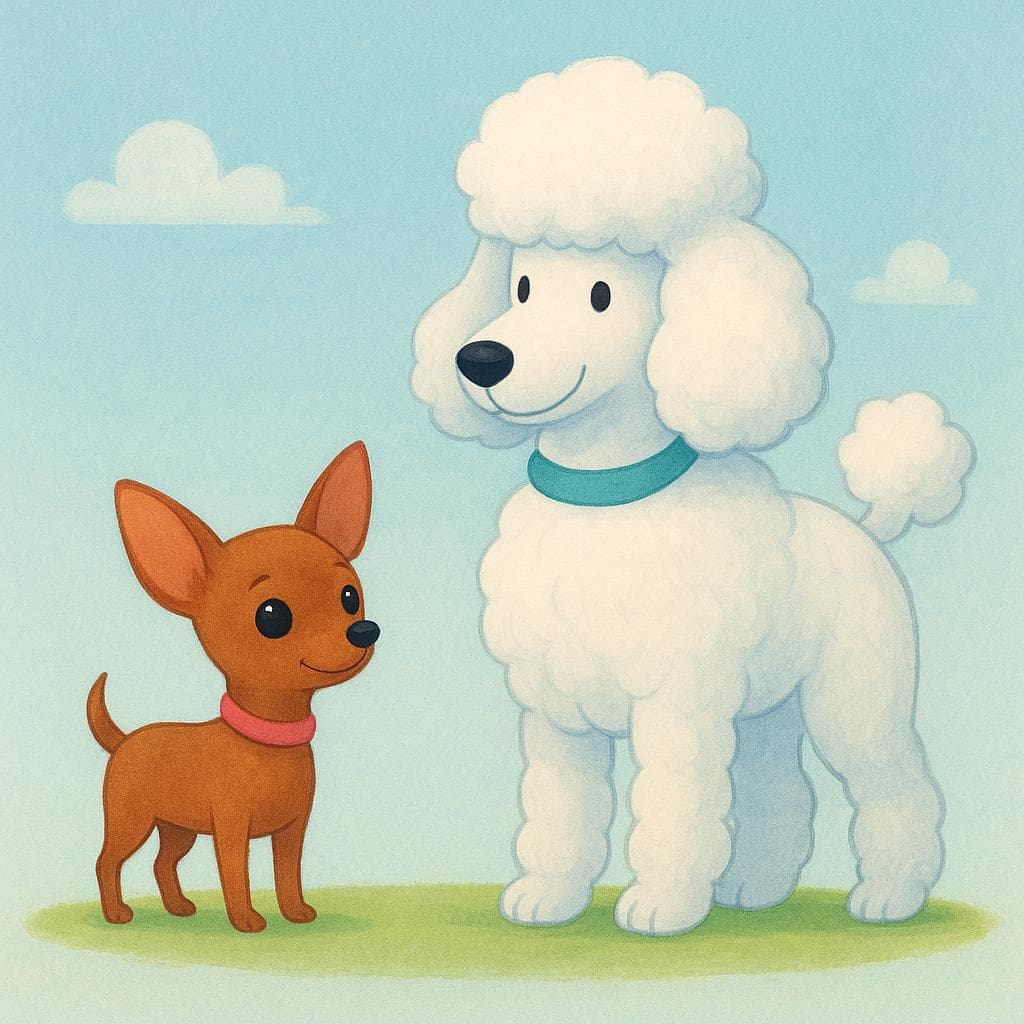

variedad
bah-ree-eh-DAHDbaɾjeˈðað

Examples
En este restaurante tienen una gran variedad de postres.
In this restaurant, they have a great variety of desserts.
Me gusta la variedad de colores en tu jardín.
I like the variety of colors in your garden.
Es importante proteger la variedad de especies en el océano.
It is important to protect the variety of species in the ocean.
Always Feminine
In Spanish, words that end in '-dad' (like 'ciudad' or 'universidad') are almost always feminine. Always use 'la' or 'una' with 'variedad'.
The 'Of' Connection
Just like in English, when you want to say a variety 'of' something, you use the word 'de' followed by a plural word (e.g., 'variedad de manzanas').
Using 'Variety' as an Adjective
Mistake: “La comida es muy variedad.”
Correction: La comida es muy variada.
diversidad
dee-vehr-see-DAHDdiβeɾsiˈðað

Examples
Me gusta la diversidad de colores en este cuadro.
I like the diversity of colors in this painting.
La diversidad cultural es muy importante para el país.
Cultural diversity is very important for the country.
Debemos proteger la diversidad biológica del océano.
We must protect the biological diversity of the ocean.
The '-dad' Rule
In Spanish, words that end in '-dad' are almost always feminine. This means you will always use 'la' or 'una' with this word.
Singular vs. Plural
Even though 'diversity' involves many things, we usually use the word in its singular form to describe the concept as a whole.
Gender confusion
Mistake: “El diversidad es buena.”
Correction: La diversidad es buena. (Because it ends in -dad, it is a feminine word).
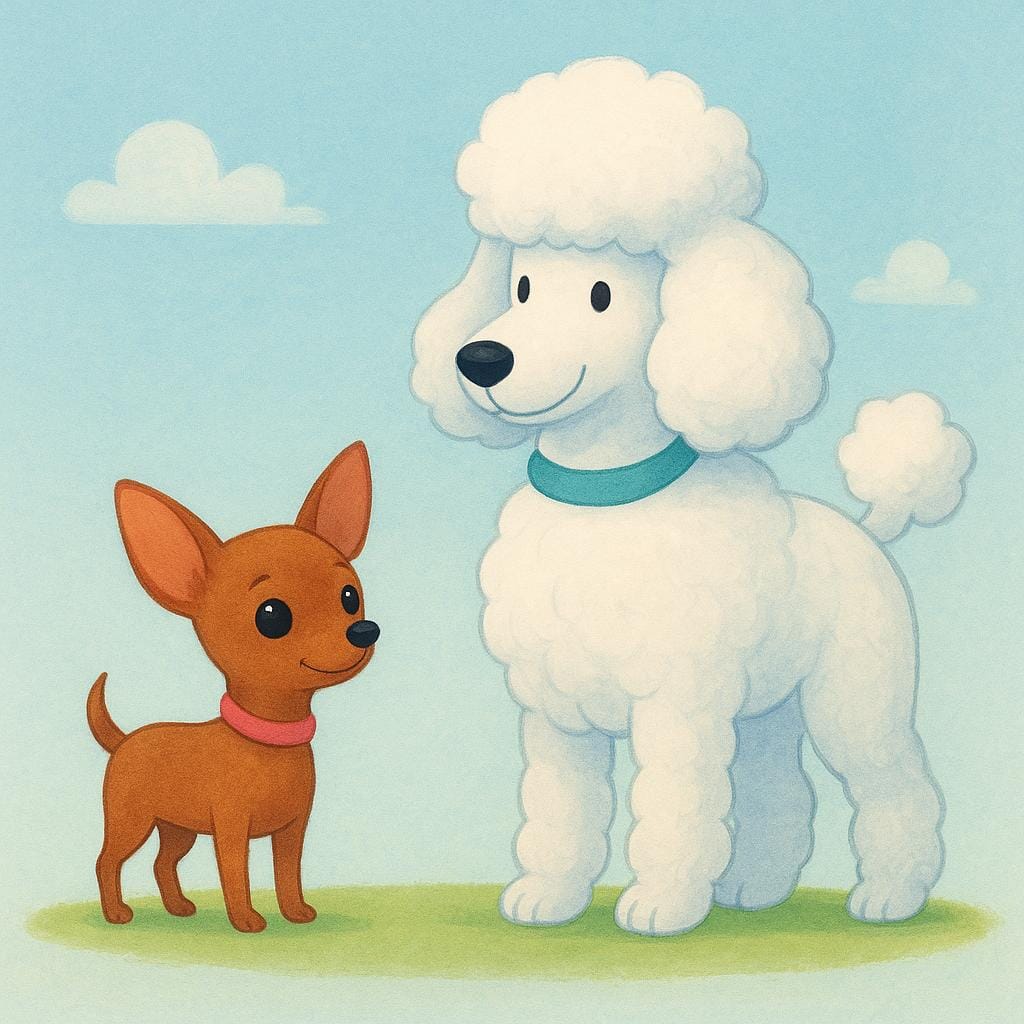
raza
RAH-sahˈraθa
Examples
Mi perro es de raza pequeña.
My dog is a small breed.
¿Qué raza de caballo prefieres para montar?
What breed of horse do you prefer for riding?
Pura Raza
To describe an animal as a purebred, use the phrase 'de pura raza' or just 'pura raza' as an adjective, which always stays feminine to match 'raza'.
colores
koh-LOH-rehskoˈloɾes

Examples
Cuando le preguntaron por su secreto, se le subieron los colores a la cara.
When they asked him about his secret, he blushed/felt embarrassed.
Esa revista tiene artículos de todos colores: política, chismes, ciencia...
That magazine has articles of all kinds (of every color): politics, gossip, science...
Subir los colores
When someone blushes, Spanish often uses the verb 'subir' (to go up) or 'salir' (to come out) with 'los colores' as the subject: 'Se me subieron los colores' (The colors rose in me).
Choosing between 'variedad' and 'diversidad'
Related Translations
Learn Spanish with Inklingo
Interactive stories, personalized learning, and more.