How to Say "wake up" in Spanish
The most common Spanish word for “wake up” is “despierte” — use 'despierte' as a formal command (usted form) to tell someone to wake up, often in a more polite or official context.

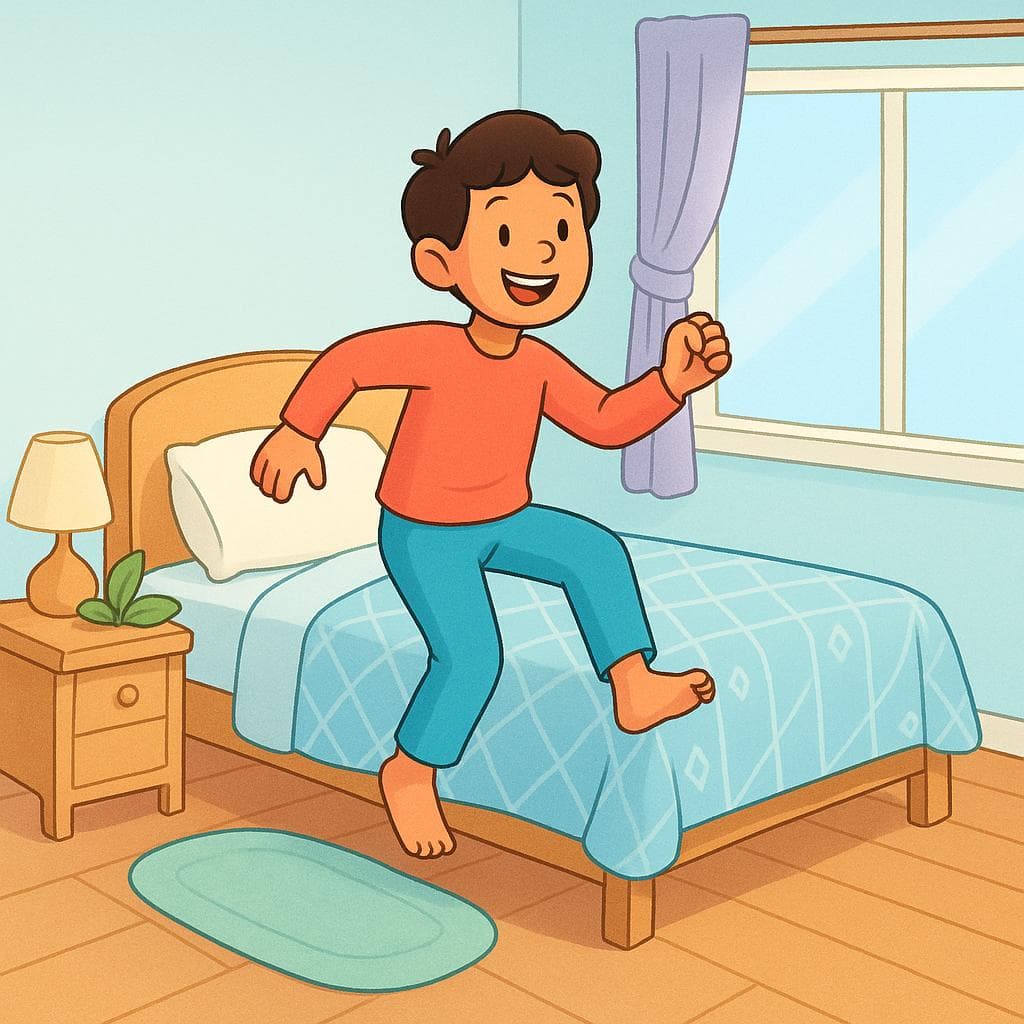
despierte
des-pyer-tedesˈpjeɾte

Examples
Señor, despierte, ya es mediodía.
Sir, wake up, it's already noon.
Espero que mi hijo despierte con buen ánimo mañana.
I hope my son wakes up in a good mood tomorrow.
Necesito que su creatividad despierte para el proyecto.
I need his/her creativity to awaken for the project.
Formal Command
When giving a polite, formal instruction to someone you address as 'Usted', you use the 'despierte' form. This is the same form as the subjunctive.
The Special Subjunctive Form
'Despierte' is a special verb form (the present subjunctive) used when you express wishes, doubts, emotions, or necessities about someone else's actions, often after words like 'espero que' (I hope that) or 'necesito que' (I need that).
Forgetting the Stem Change
Mistake: “Using *desperte* instead of *despierte*.”
Correction: The verb *despertar* changes its 'e' to 'ie' in almost all forms except for the 'nosotros' and 'vosotros' forms. Remember the pattern: E -> IE.
Confusing Command Levels
Mistake: “Using 'despierte' for a casual friend (Tú).”
Correction: Use 'despierta' for friends and family (Tú command). Use 'despierte' only for formal situations (Usted command).
levantar
leh-vahn-tarleβanˈtaɾ
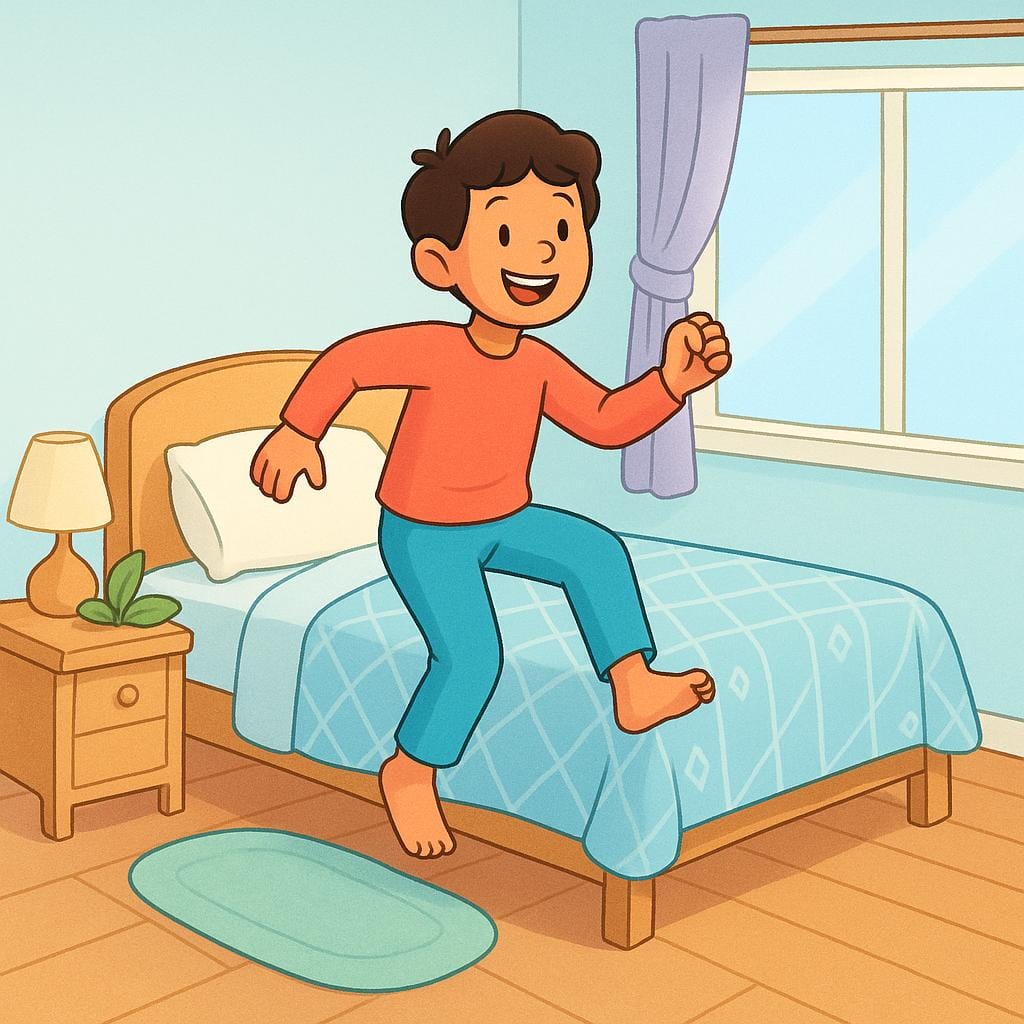
Examples
Siempre me levanto a las seis de la mañana.
I always get up at six in the morning.
Cuando entró el jefe, todos se levantaron.
When the boss came in, everyone stood up.
¿Por qué no te has levantado todavía?
Why haven't you gotten up yet?
The Reflexive 'Se'
When you use 'levantarse,' the 'se' (or 'me, te, nos,' etc.) tells you that the person performing the action is also the one receiving it (you are lifting yourself).
Forgetting the Reflexive Pronoun
Mistake: “Yo levanto a las ocho. (I lift [something] at eight.)”
Correction: Yo me levanto a las ocho. (I get myself up at eight.)
Distinguishing waking from getting up
Learn Spanish with Inklingo
Interactive stories, personalized learning, and more.