How to Say "worries" in Spanish
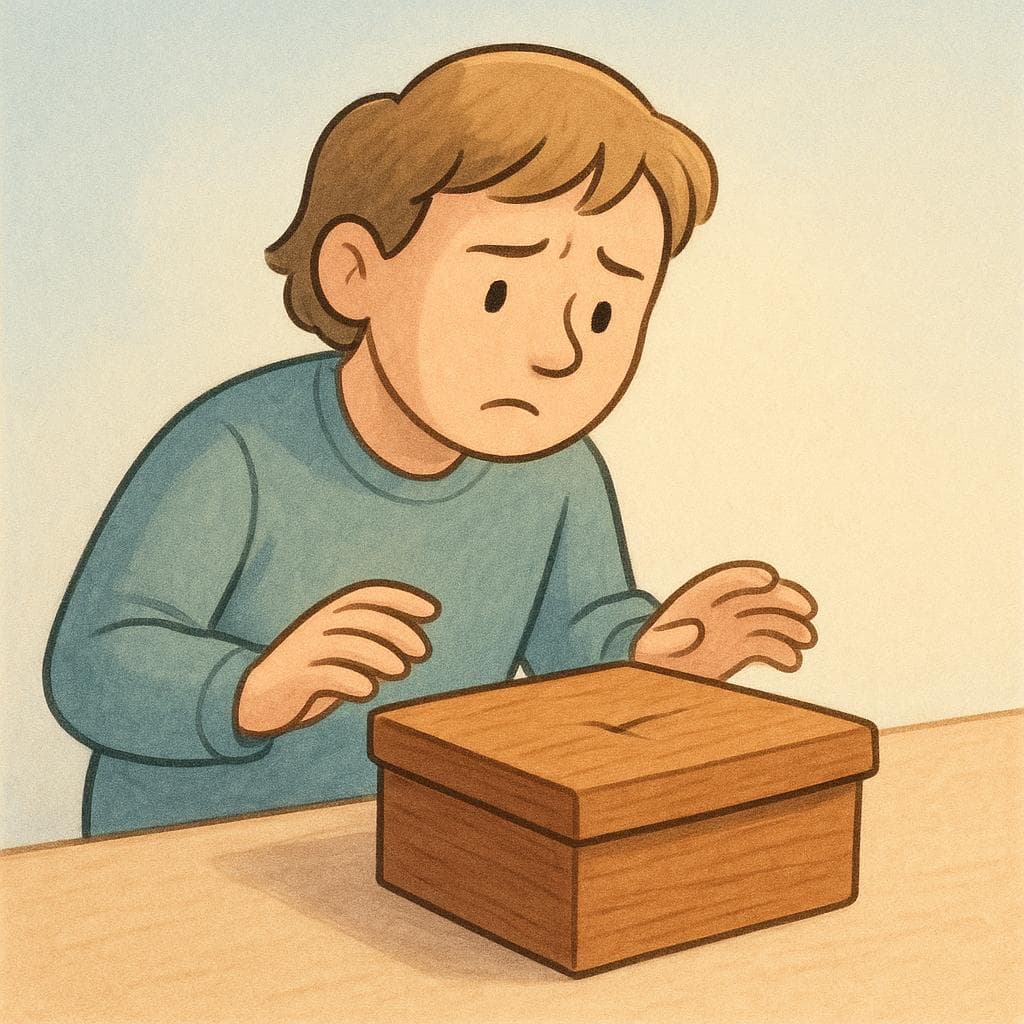
The most common Spanish word for “worries” is “preocupa” — use this when a third person or thing (he, she, it) is the cause of concern or anxiety for you.



preocupa
preh-oh-Koo-pahpɾeoˈkupa

Examples
Me preocupa que no haya comido nada hoy.
It worries me that she hasn't eaten anything today.
La crisis económica preocupa a muchas familias.
The economic crisis concerns many families.
Él siempre se preocupa demasiado por el trabajo.
He always worries too much about work.
Gustar-like Structure
When using 'preocupa' to mean 'It worries ME,' the word for 'it' is the subject, and the person worried is indicated by a pronoun like 'me,' 'te,' or 'nos.' (Example: 'Me preocupa la lluvia' - The rain worries me.)
Reflexive Use
To say a person 'worries' themselves, you must use the reflexive form 'preocuparse' and the appropriate pronoun: 'Él se preocupa' (He worries himself).
Using 'Por' Incorrectly
Mistake: “Me preocupa SOBRE el examen.”
Correction: Me preocupa EL examen (The exam worries me). If you use 'preocuparse' (the reflexive form), use 'por': 'Me preocupo POR el examen' (I worry about the exam).
preocupaciones
preh-oh-koo-pah-SYOHN-esspɾeoku.paˈsjo.nes

Examples
Tengo muchas preocupaciones sobre el futuro de mis hijos.
I have many worries about my children's future.
Las preocupaciones financieras lo mantienen despierto por la noche.
Financial concerns keep him awake at night.
Necesitas dejar tus preocupaciones en casa y disfrutar de las vacaciones.
You need to leave your troubles at home and enjoy the vacation.
Always Plural
This word is the plural form of 'preocupación' (worry). You use it when talking about multiple issues or a general state of stress.
Feminine Noun
Since this is a feminine noun, any descriptive words (adjectives) used with it must also be feminine and plural (e.g., 'grandes preocupaciones', not 'grandes preocupaciones').
Using the Singular Verb
Mistake: “Mis preocupaciones es grande.”
Correction: Mis preocupaciones son grandes. (The verb 'ser' must match the plural subject 'preocupaciones'.)
angustia
ahn-GOOS-tyahanˈɡustja

Examples
Ese ruido me angustia mucho.
That noise distresses me a lot.
¡No me angustia con tus problemas ahora!
Don't distress me with your problems now!
Dual use
This specific word 'angustia' works as the form for 'he/she/it' and 'you (formal)' in the present, but also as a command for a friend (tú).
teme
teh-mehˈt̪e.me
Examples
El director teme que la empresa no cumpla los objetivos este trimestre.
The director suspects the company won't meet its goals this quarter.
La comunidad teme que el nuevo proyecto dañe el ecosistema local.
The community worries that the new project will damage the local ecosystem.
Formal Worry
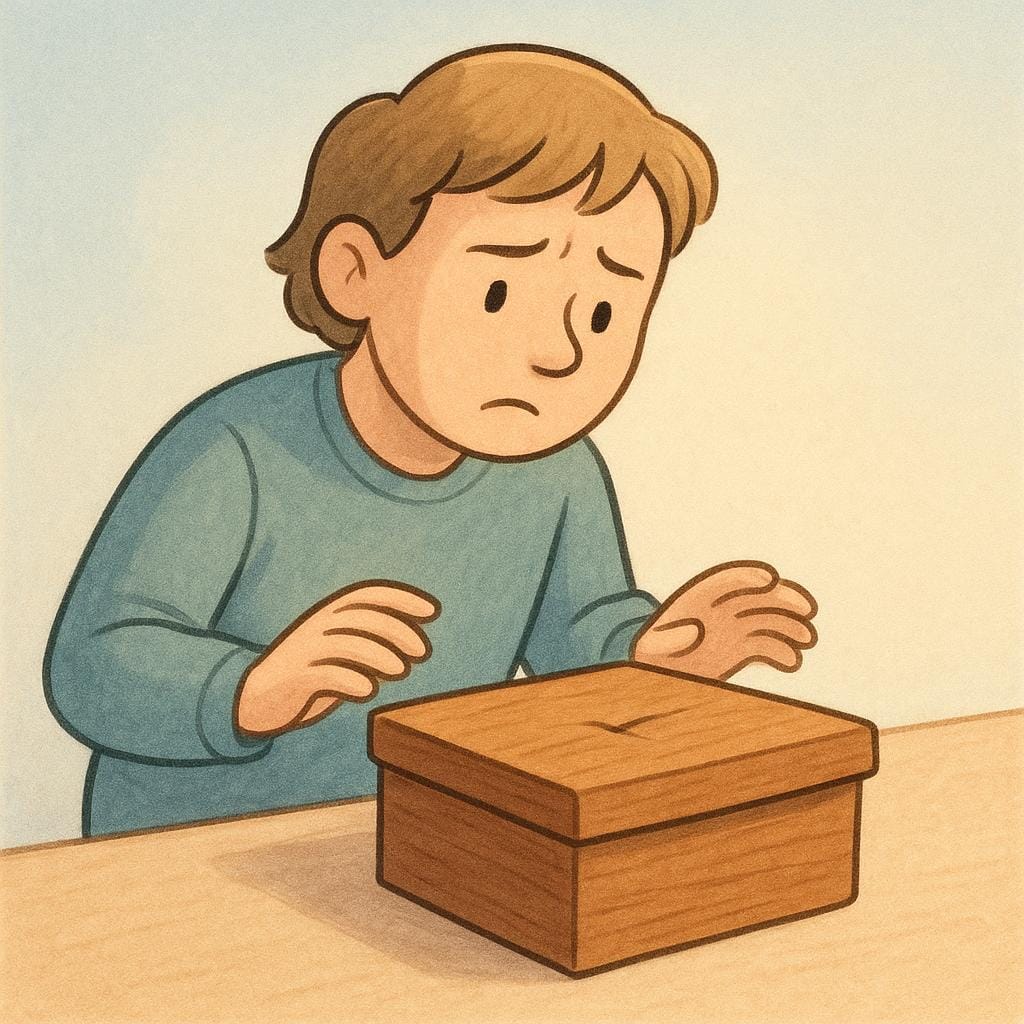
In this context, 'teme' means 'is seriously worried' or 'suspects with concern,' often used when discussing politics, business, or serious news.
Verb vs. Noun: 'Preocupa' vs. 'Preocupaciones'
Related Translations
Learn Spanish with Inklingo
Interactive stories, personalized learning, and more.