How to Say "wounded" in Spanish
The most common Spanish word for “wounded” is “herido” — use 'herido' for general physical injuries, from minor to severe, or when referring to someone who has been injured in a non-physical way (e.g., emotionally).

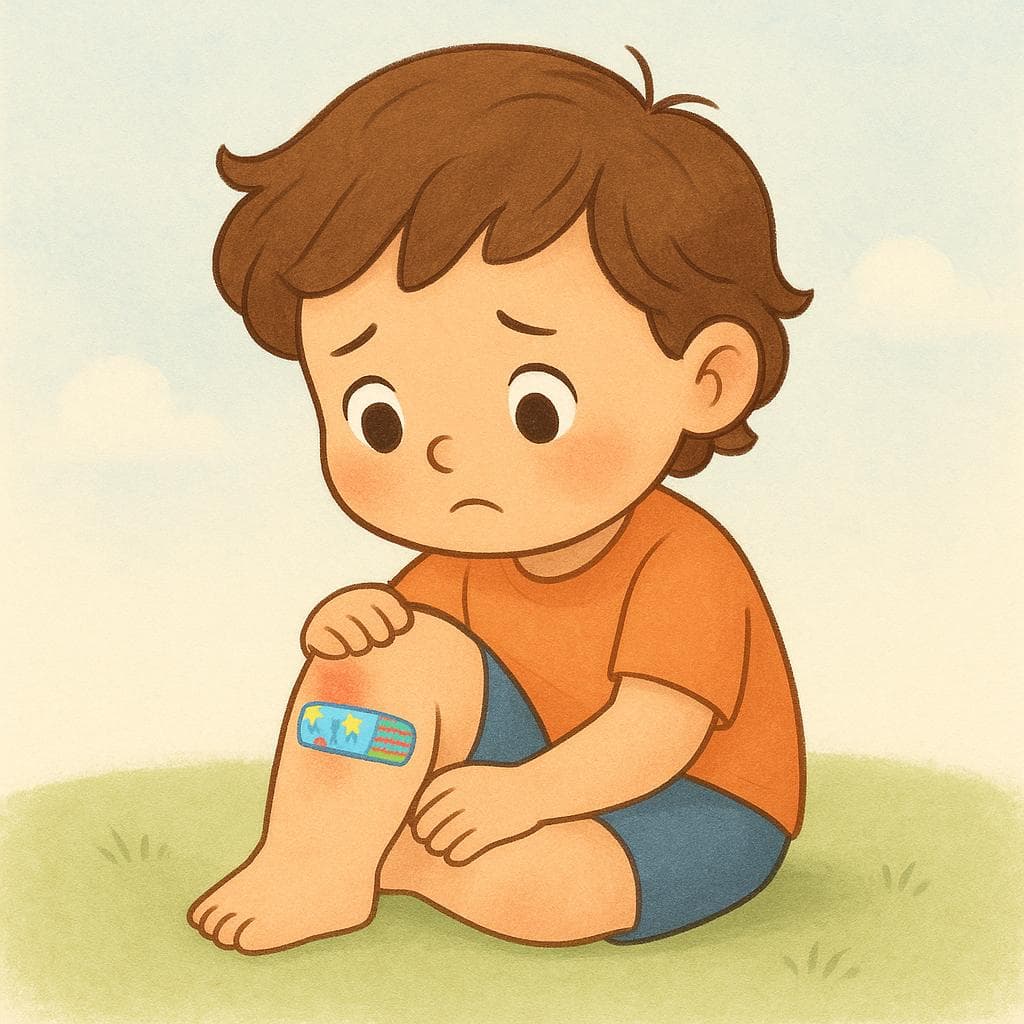
herido
eh-REE-doheˈri.ðo

Examples
El soldado resultó herido en combate.
The soldier was wounded in combat.
El corredor estaba herido después de la caída, pero siguió corriendo.
The runner was wounded after the fall, but he kept running.
Encontraron la caja fuerte herida con marcas de intento de robo.
They found the safe damaged with marks of an attempted robbery.
El cazador ha herido al venado con una flecha.
The hunter has wounded the deer with an arrow.
Changing the Ending
Like many Spanish adjectives, 'herido' must match the person or thing it describes: 'herido' (masculine singular), 'herida' (feminine singular), 'heridos' (masculine plural), 'heridas' (feminine plural).
Building Perfect Tenses
'Herido' is the fixed '-ido' form that combines with the verb 'haber' to show an action completed in the past: 'He herido' (I have wounded).
Passive Voice
When used with the verb 'ser' (to be), it describes who received the action. In this use, 'herido' must match the gender and number of the person receiving the action ('fue herido', 'fueron heridas').
Using the Wrong Verb for State
Mistake: “Soy herido (I am wounded).”
Correction: Estoy herido. We use 'estar' (to be in a temporary state) with 'herido' because it describes the current condition of the person.
Matching the Participle
Mistake: “Hemos heridos al enemigo (We have wounded the enemy).”
Correction: Hemos herido al enemigo. When used with 'haber' to form perfect tenses, the '-ido' form never changes its ending, regardless of who did the action or who received it.
herido
Examples
El perro ha sido herido por el coche.
The dog has been wounded by the car.
lastimado
las-tee-MAH-dohlastiˈmaðo
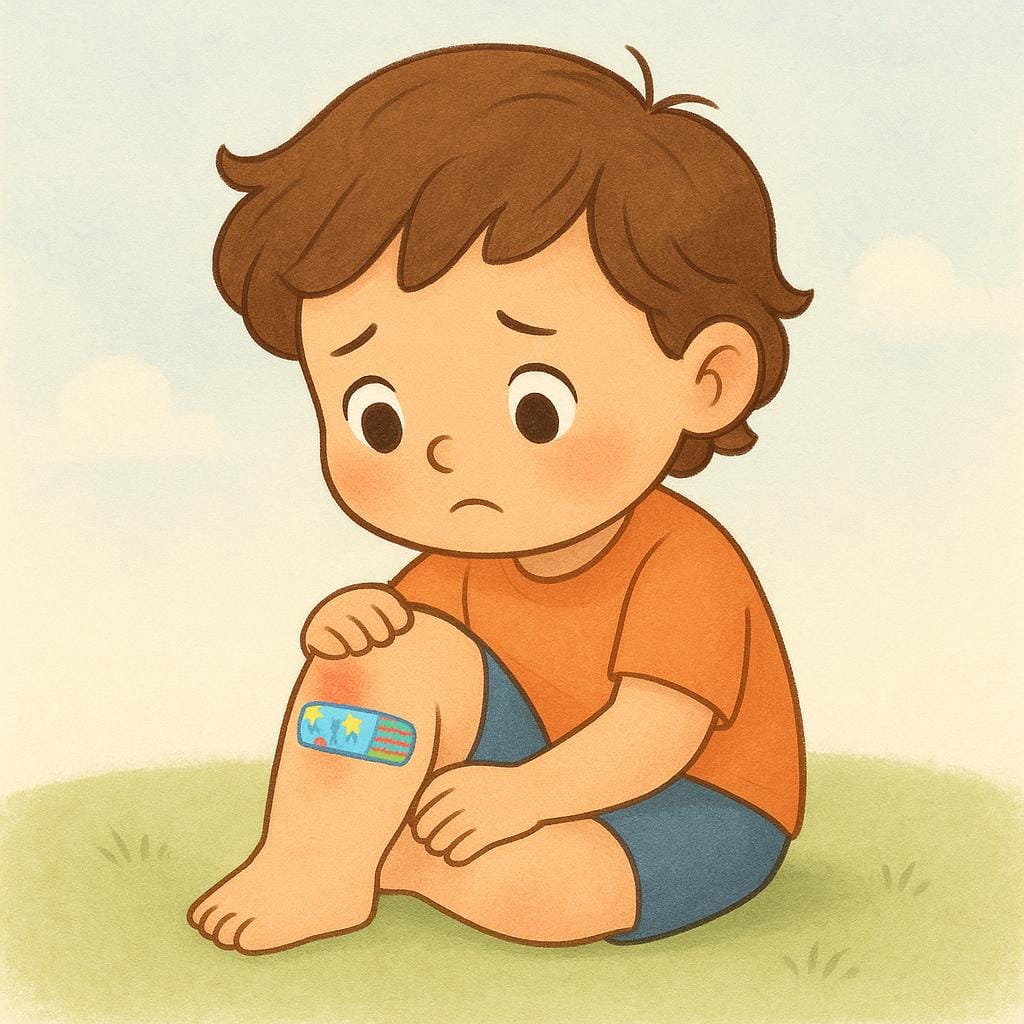
Examples
Tengo el tobillo lastimado por el esguince.
I have a hurt ankle from the sprain.
Mi perro está lastimado de la pata después de correr mucho.
My dog's paw is hurt after running a lot.
Ella se sintió muy lastimada por sus comentarios groseros.
She felt very hurt by his rude comments.
Hay que tener cuidado con las rodillas lastimadas.
You have to be careful with injured knees.
Adjective Agreement
As an adjective, 'lastimado' must change its ending to match the gender and number of the noun it describes: 'lastimada' (feminine singular), 'lastimados' (masculine plural), 'lastimadas' (feminine plural).
Using 'Ser' vs. 'Estar'
Mistake: “Soy lastimado.”
Correction: Estoy lastimado. Use 'estar' (to be in a state) because being hurt is usually a temporary state or condition.
Herido vs. Lastimado
Related Translations
Learn Spanish with Inklingo
Interactive stories, personalized learning, and more.