How to Say "injured" in Spanish
The most common Spanish word for “injured” is “herido” — use 'herido' for a person or animal that has sustained a physical wound or injury, which may or may not be severe.
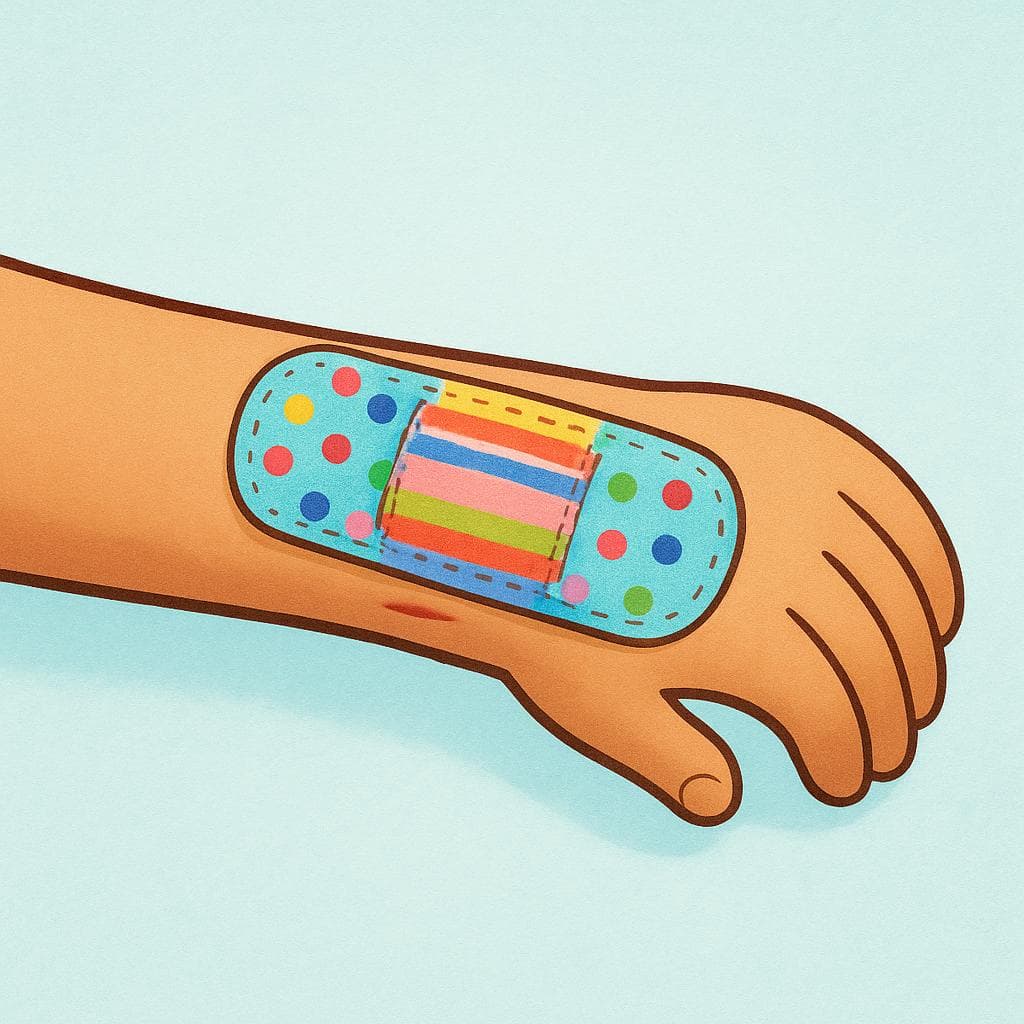
Use 'herido' for a person or animal that has sustained a physical wound or injury, which may or may not be severe.
Learn more →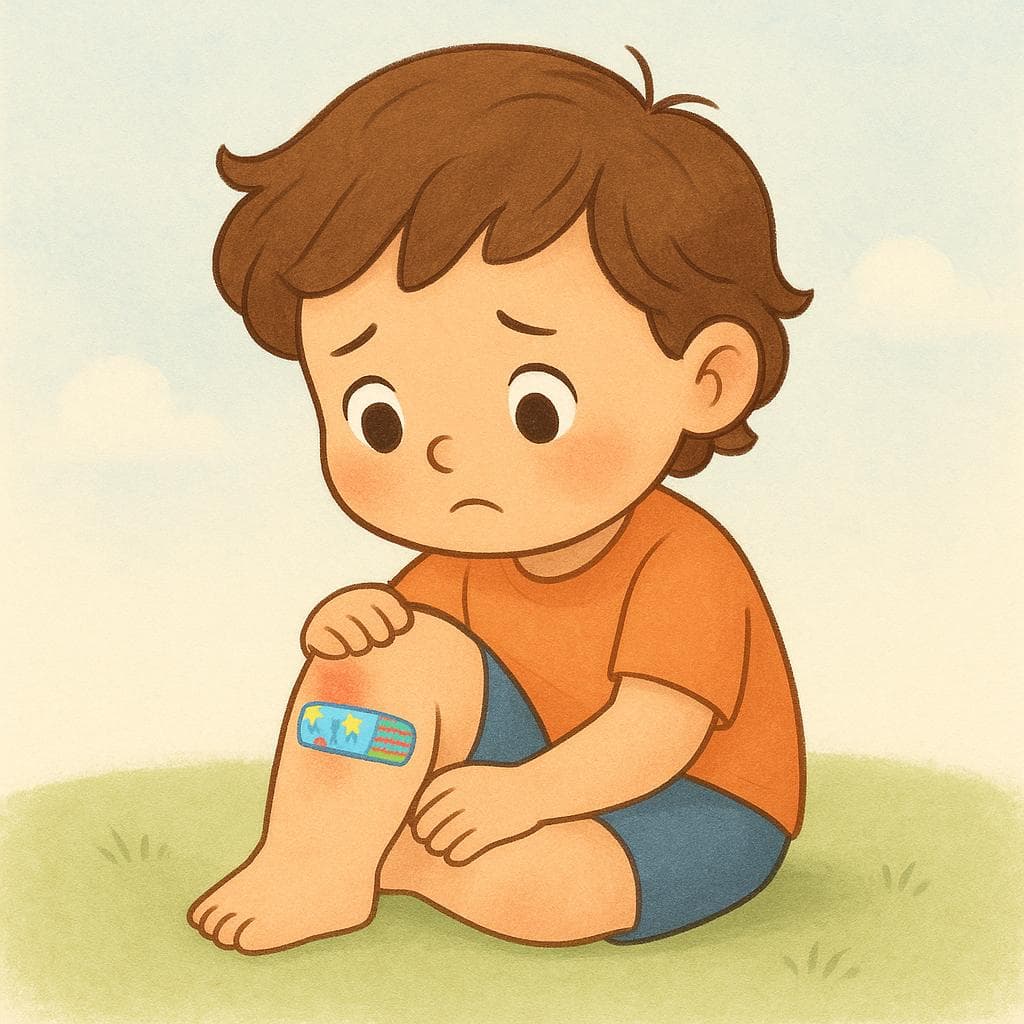
Use 'lastimado' when referring to physical damage or hurt, often to a part of the body, particularly in animals or children.
Learn more →
Use 'jodido' to describe something or someone that is severely damaged, broken, or in a bad state, including inanimate objects.
Learn more →eh-REE-doheˈri.ðo
Examples
El corredor estaba herido después de la caída, pero siguió corriendo.
The runner was wounded after the fall, but he kept running.
Encontraron la caja fuerte herida con marcas de intento de robo.
They found the safe damaged with marks of an attempted robbery.
Changing the Ending
Like many Spanish adjectives, 'herido' must match the person or thing it describes: 'herido' (masculine singular), 'herida' (feminine singular), 'heridos' (masculine plural), 'heridas' (feminine plural).
Using the Wrong Verb for State
Mistake: “Soy herido (I am wounded).”
Correction: Estoy herido. We use 'estar' (to be in a temporary state) with 'herido' because it describes the current condition of the person.
las-tee-MAH-dohlastiˈmaðo
Examples
Mi perro está lastimado de la pata después de correr mucho.
My dog's paw is hurt after running a lot.
Ella se sintió muy lastimada por sus comentarios groseros.
She felt very hurt by his rude comments.
Hay que tener cuidado con las rodillas lastimadas.
You have to be careful with injured knees.
Adjective Agreement
As an adjective, 'lastimado' must change its ending to match the gender and number of the noun it describes: 'lastimada' (feminine singular), 'lastimados' (masculine plural), 'lastimadas' (feminine plural).
Using 'Ser' vs. 'Estar'
Mistake: “Soy lastimado.”
Correction: Estoy lastimado. Use 'estar' (to be in a state) because being hurt is usually a temporary state or condition.
ho-DEE-dohxoˈðiðo

Examples
Mi ordenador está jodido; no enciende.
My computer is broken; it won't turn on.
Si no entregamos el proyecto hoy, estamos jodidos.
If we don't hand in the project today, we're screwed.
Tengo la espalda un poco jodida de cargar cajas.
My back is a bit messed up from carrying boxes.
Using with 'Estar'
When you use this word with 'estar,' you are describing a temporary state or a result, like something being currently broken or someone being currently in trouble.
Gender and Number
Since this is an adjective here, it must change to 'jodida' for feminine nouns and add an 's' for plurals (jodidos/jodidas).
Formal Situations
Mistake: “Using 'jodido' in a job interview.”
Correction: Use 'estropeado' or 'en una situación difícil' instead, as 'jodido' is considered a curse word in many regions.
Herido vs. Jodido for Damage
Learners often misuse 'jodido' when they mean 'herido' or 'lastimado'. Remember that 'jodido' is more informal and implies a more severe, broken state, often used for objects, while 'herido' and 'lastimado' typically refer to physical wounds or pain in living beings.
Related Translations
Learn Spanish with Inklingo
Interactive stories, personalized learning, and more.