Comparison & Degree in Spanish
Talking about how things compare or their degree of quality is super common in any language, and Spanish is no different! This set of words helps you express if something is better, worse, too much, or just similar. It's incredibly useful for everyday conversations, giving opinions, or even just describing your surroundings. Interestingly, Spanish often uses specific structures for comparisons that might feel a little different from English.
Quick Reference
| Spanish | English | Example | Level |
|---|---|---|---|
comparar | to compare | Quiero comparar los precios de estas dos tiendas. | A1 |
demasiado | too | Este café está demasiado caliente. | A2 |
parecido | similar | Tu coche es parecido al mío, pero el color es diferente. | A1 |
peor | worse | Mi conexión a internet es peor que la tuya. | A2 |
similar | similar | Mi teléfono es muy similar al tuyo, pero el color es diferente. | A1 |
comparado | compared | Este coche es lento comparado con el modelo anterior. | B1 |
similitud | similarity | Hay una gran similitud entre los dos hermanos. | B1 |
A1 — Beginner (3 words)

to compare
“Quiero comparar los precios de estas dos tiendas.”
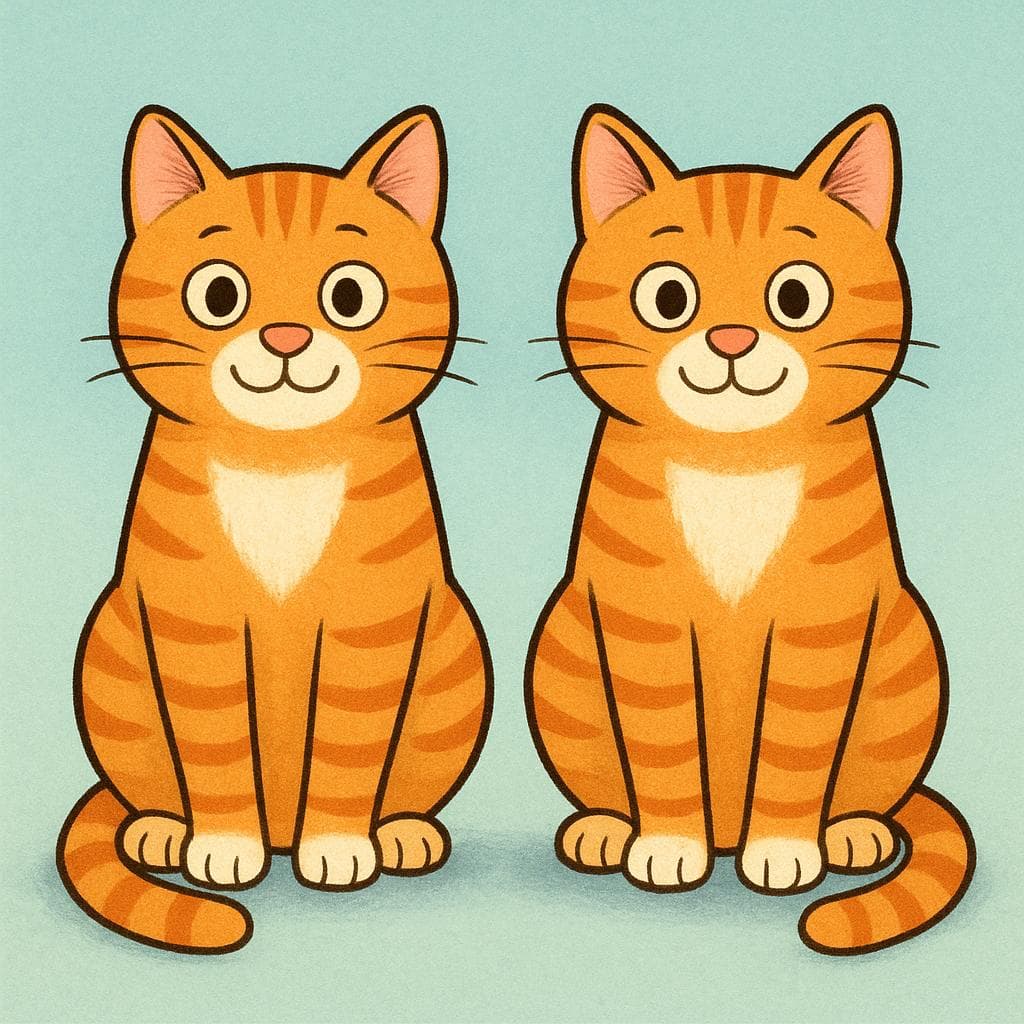
similar
“Tu coche es parecido al mío, pero el color es diferente.”

similar
“Mi teléfono es muy similar al tuyo, pero el color es diferente.”
A2 — Elementary (2 words)

too
“Este café está demasiado caliente.”

worse
“Mi conexión a internet es peor que la tuya.”
B1 — Intermediate (2 words)

compared
“Este coche es lento comparado con el modelo anterior.”

similarity
“Hay una gran similitud entre los dos hermanos.”
Grammar Tips
Adjective Agreement
Words like 'parecido' (similar) and 'peor' (worse) are adjectives and must agree in gender and number with the noun they describe. For example, 'el coche es parecido' (the car is similar) but 'las casas son parecidas' (the houses are similar). The plural of 'peor' is 'peores'.
Comparing with 'Más' and 'Menos'
To say 'more' or 'less' than something, you use 'más' or 'menos' followed by the adjective or adverb. For example, 'este libro es más interesante que aquel' (this book is more interesting than that one). Remember to use 'que' for comparisons between things.
The 'Too Much' Rule
The word 'demasiado' (too much/too many) also needs to agree with the noun it modifies. If you're talking about a singular masculine noun, it's 'demasiado'. For plural masculine or singular/plural feminine nouns, it becomes 'demasiados', 'demasiada', or 'demasiadas'. For example, 'hay demasiado ruido' (there's too much noise) but 'hay demasiadas personas' (there are too many people).
Common Mistakes
Incorrect Adjective Agreement
Mistake: “Mi hermano es mas alto que mi hermana, pero ella es mas alta tambien.”
Correction: Mi hermano es más alto que mi hermana, pero ella es más alta también. Explanation: 'Alto' (tall) is an adjective and must agree in gender and number with the noun it describes. 'Hermano' is masculine singular, so 'alto'. 'Hermana' is feminine singular, so 'alta'.
Misplaced 'Demasiado'
Mistake: “Yo como demasiado pasteles.”
Correction: Yo como demasiados pasteles. Explanation: 'Demasiado' is an adjective here and must agree with 'pasteles' (cakes), which is masculine plural. So, it should be 'demasiados'.
Confusing Comparatives
Mistake: “Este café es bueno que el otro.”
Correction: Este café es mejor que el otro. Explanation: 'Bueno' means good. To compare, you use 'mejor' (better). Also, the comparative structure requires 'que' (than) to link the two items being compared.
Cultural Notes
Nuance in 'Peor'
While 'peor' directly translates to 'worse', Spanish speakers might use it with a slightly stronger emotional weight than English speakers sometimes do. It can imply a more significant decline or negative outcome.
Regional Variations
In some Latin American countries, you might hear variations or alternative phrases for comparisons, though the core words like 'más', 'menos', and 'peor' are universally understood. Pay attention to local colloquialisms!