Hotel & Accommodation in Spanish
Planning a trip to a Spanish-speaking country? Knowing how to talk about hotels and accommodation is super useful for booking your stay, checking in, and making sure you're comfortable. This vocabulary will help you navigate everything from finding a cozy inn to booking a luxurious suite.
Quick Reference
| Spanish | English | Example | Level |
|---|---|---|---|
alojamiento | accommodation | El precio del viaje ya incluye el alojamiento. | A2 |
hotel | hotel | Reservé una habitación en un hotel cerca de la playa. | A1 |
huésped | guest | ¿Cuántos huéspedes se alojan en tu casa este fin de semana? | A2 |
recepción | reception | ¿Dónde está la recepción? Necesito registrarme. | A1 |
reserva | reservation | ¿Tienes una reserva a mi nombre? | A2 |
reservar | to book | Quiero reservar una mesa para dos personas. | A1 |
albergue | hostel | Dormimos en un albergue juvenil para ahorrar dinero. | A2 |
alojar | to host | Este hotel puede alojar a quinientos turistas. | B1 |
motel | motel | Necesitamos parar en el primer motel que veamos, estoy muy cansado. | A2 |
suite | suite | Reservamos una suite con vistas al mar para nuestra luna de miel. | B1 |
camarote | cabin | Nuestro camarote en el crucero tiene un balcón privado. | B1 |
posada | inn | Buscamos una posada para pasar la noche. | A2 |
A1 — Beginner (3 words)
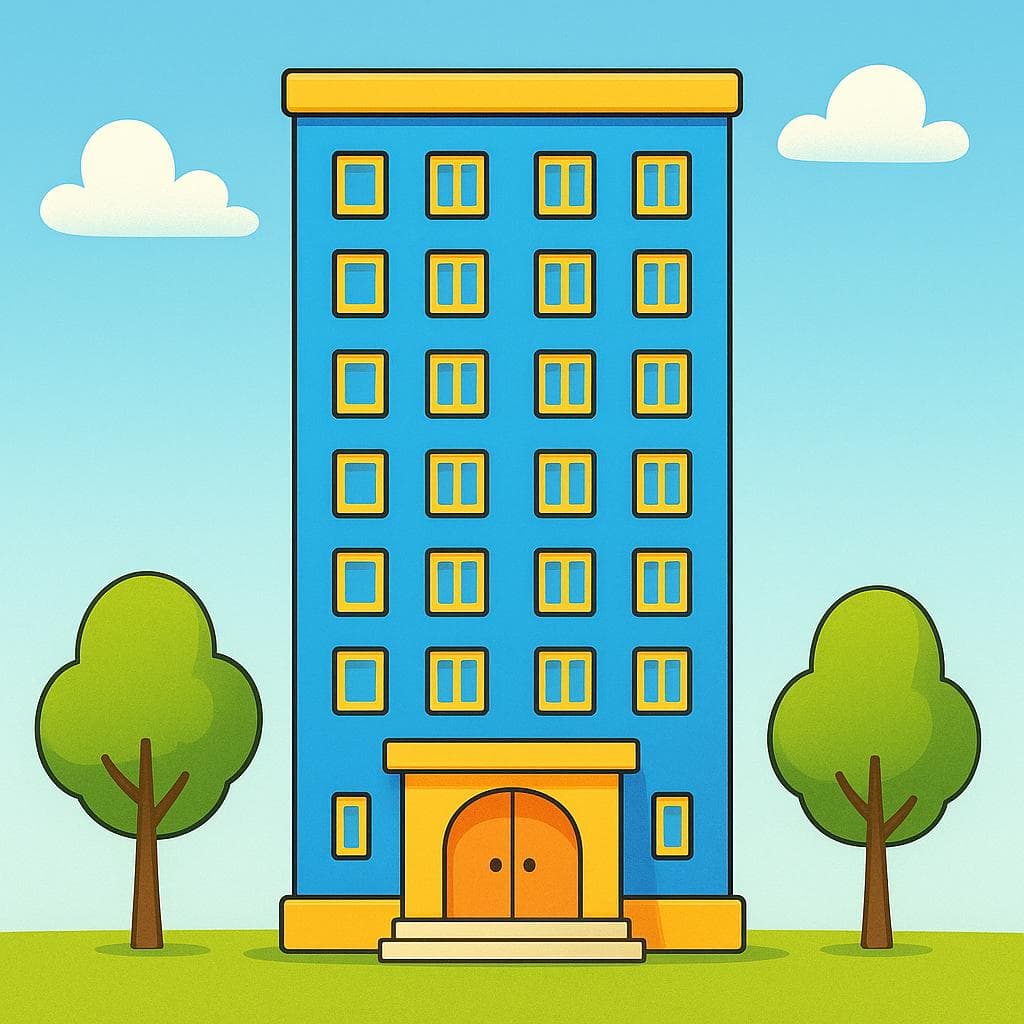
hotel
“Reservé una habitación en un hotel cerca de la playa.”

reception
“¿Dónde está la recepción? Necesito registrarme.”
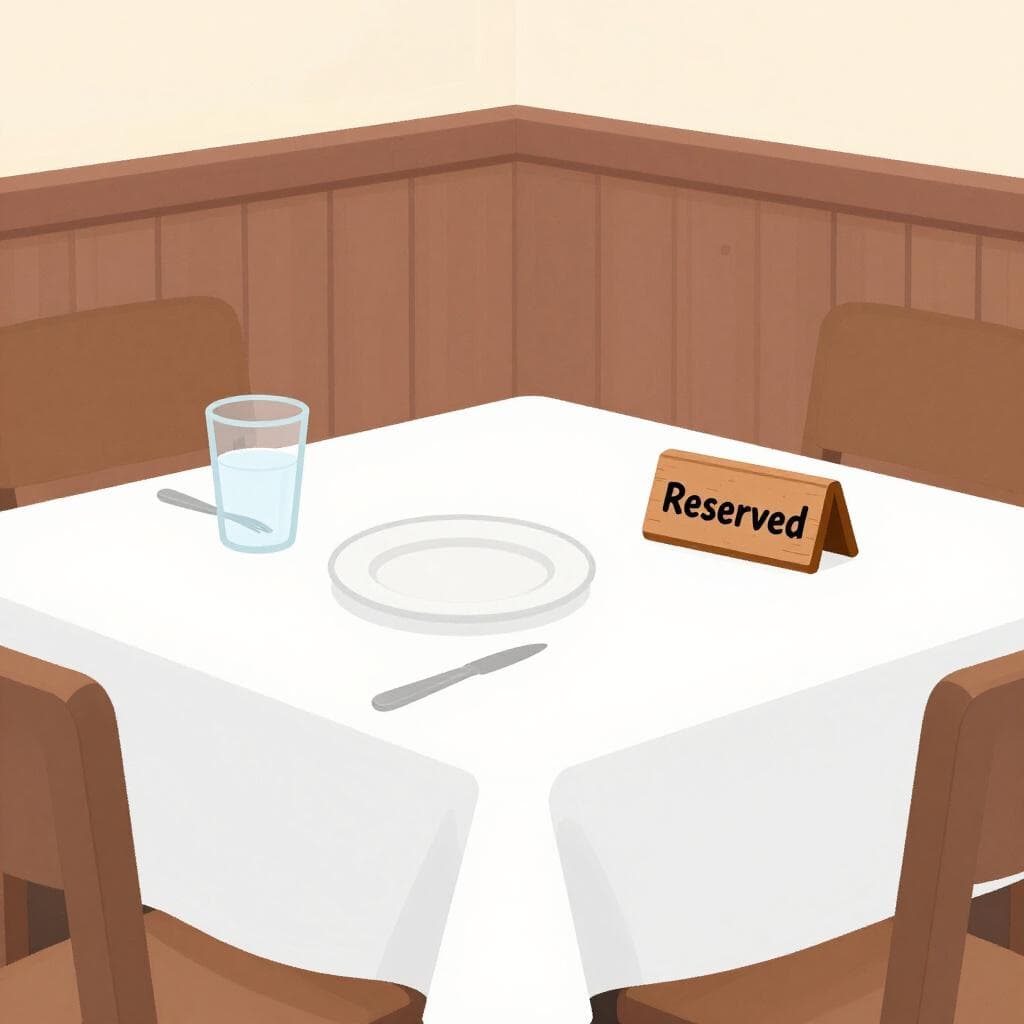
to book
“Quiero reservar una mesa para dos personas.”
A2 — Elementary (6 words)

accommodation
“El precio del viaje ya incluye el alojamiento.”

guest
“¿Cuántos huéspedes se alojan en tu casa este fin de semana?”

reservation
“¿Tienes una reserva a mi nombre?”
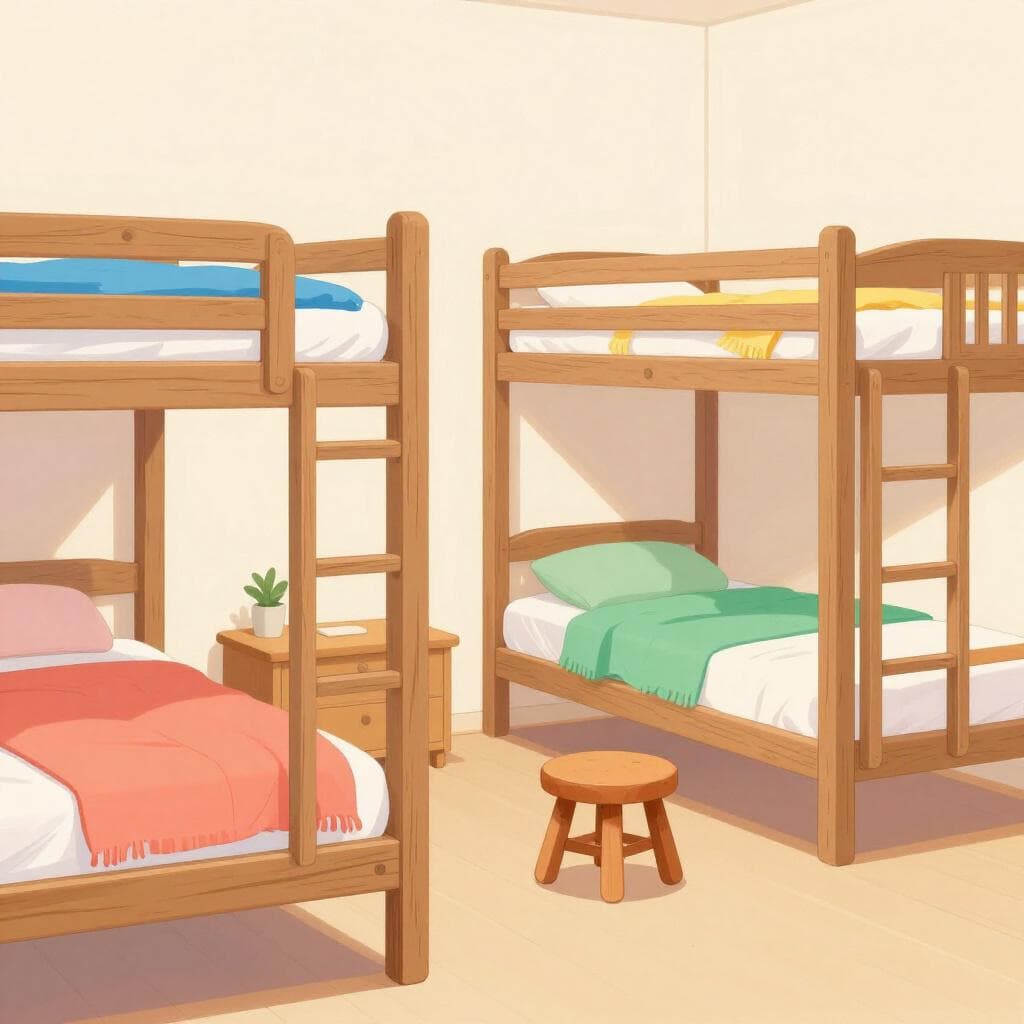
hostel
“Dormimos en un albergue juvenil para ahorrar dinero.”
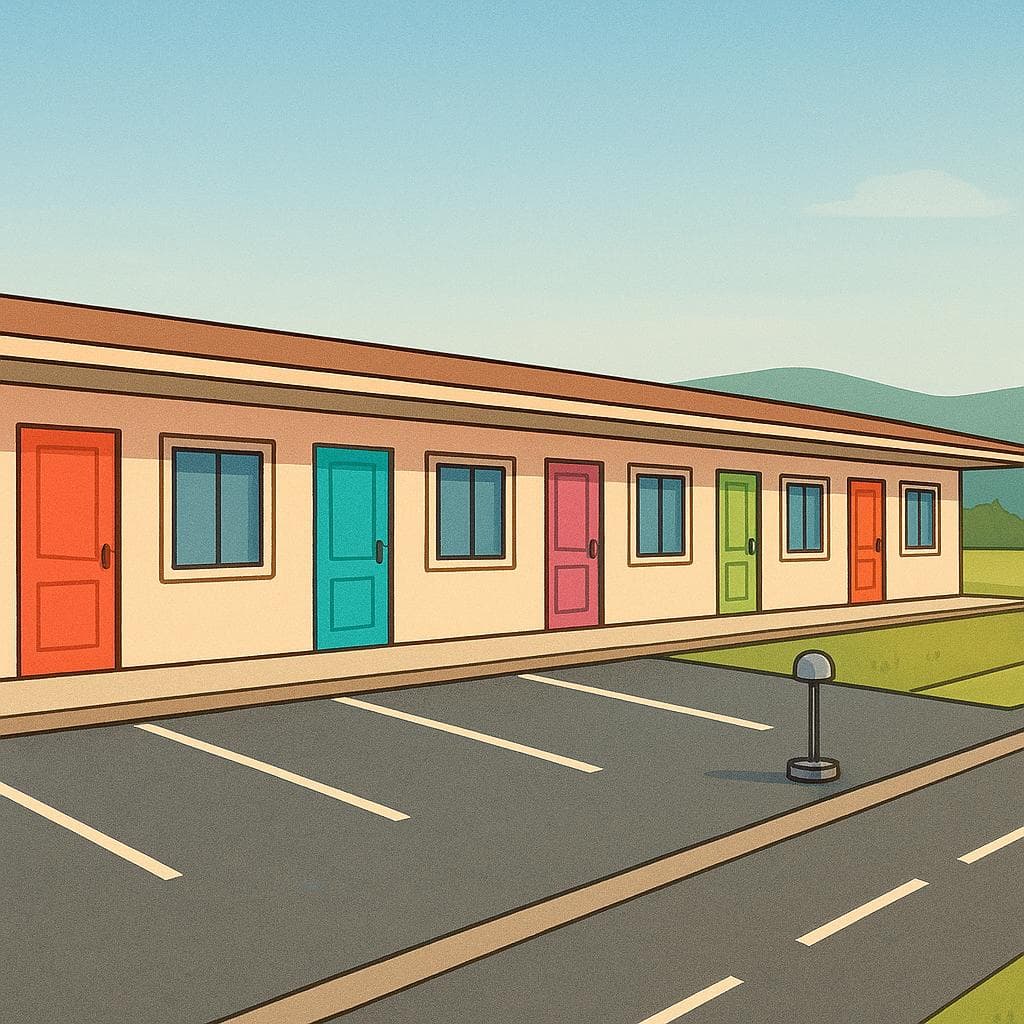
motel
“Necesitamos parar en el primer motel que veamos, estoy muy cansado.”

inn
“Buscamos una posada para pasar la noche.”
B1 — Intermediate (3 words)

to host
“Este hotel puede alojar a quinientos turistas.”
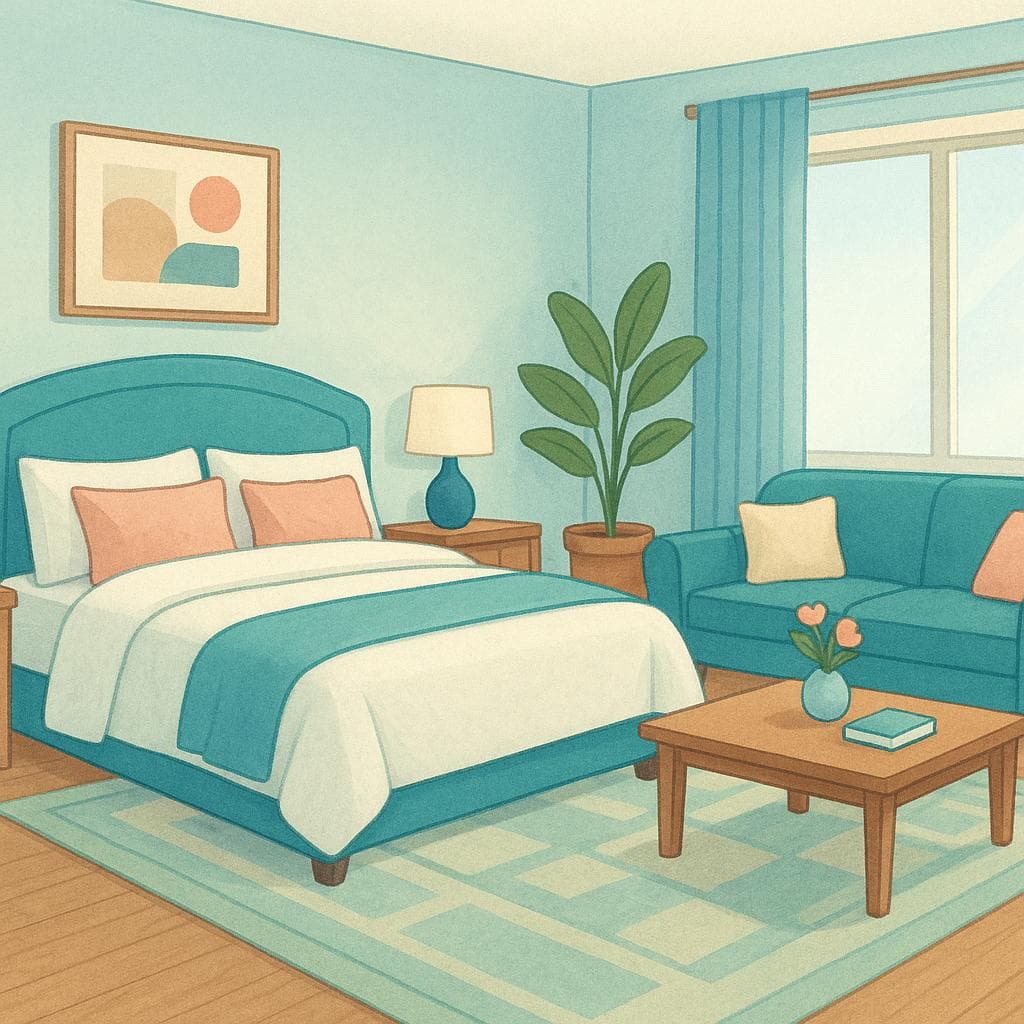
suite
“Reservamos una suite con vistas al mar para nuestra luna de miel.”

cabin
“Nuestro camarote en el crucero tiene un balcón privado.”
Grammar Tips
Gender Agreement
Many accommodation-related nouns in Spanish have gender. For example, 'el hotel' (masculine) and 'la posada' (feminine). Make sure any articles or adjectives you use agree with the noun's gender. 'El hotel nuevo' (the new hotel) vs. 'La posada nueva' (the new inn).
Plural Forms
Forming plurals is usually straightforward. Words ending in a vowel usually add '-s' (el hotel -> los hoteles), and words ending in a consonant usually add '-es' (la recepción -> las recepciones). This applies to both nouns and their accompanying articles.
Verb Conjugation: Alojar
The verb 'alojar' (to host/lodge) changes depending on who is doing the lodging. 'Nos alojamos en un hotel' (We are lodging in a hotel), but if someone is hosting you, 'El hotel nos aloja' (The hotel is hosting us).
Common Mistakes
Incorrect Adjective Agreement
Mistake: “Quiero reservar un habitación grande.”
Correction: Quiero reservar una habitación grande. ('Habitación' is feminine, so the article 'un' should be 'una' to agree.)
Verb Tense Confusion
Mistake: “Yo soy alojado en el hotel.”
Correction: Yo me alojo en el hotel. (The reflexive form 'me alojo' is used for lodging yourself, not 'soy alojado' which implies being hosted by someone else.)
Pluralization Error
Mistake: “Los huésped son amables.”
Correction: Los huéspedes son amables. (The plural of 'huésped' adds '-es' because it ends in a stressed consonant.)
Cultural Notes
Posadas and Paradores
In Spain, you might encounter 'posadas' which are often smaller, traditional inns. For a unique experience, look for 'Paradores,' state-run luxury hotels often located in historic buildings like castles or monasteries.
Beyond Hotels
While 'hotel' is universal, Spanish-speaking countries offer various lodging types. 'Hostal' can be tricky as it sometimes refers to a simple hotel, not necessarily a 'hostel' in the backpacker sense, though 'albergue' is more commonly used for hostels.