reservar
“reservar” means “to book” in Spanish. It has 2 different meanings depending on context:
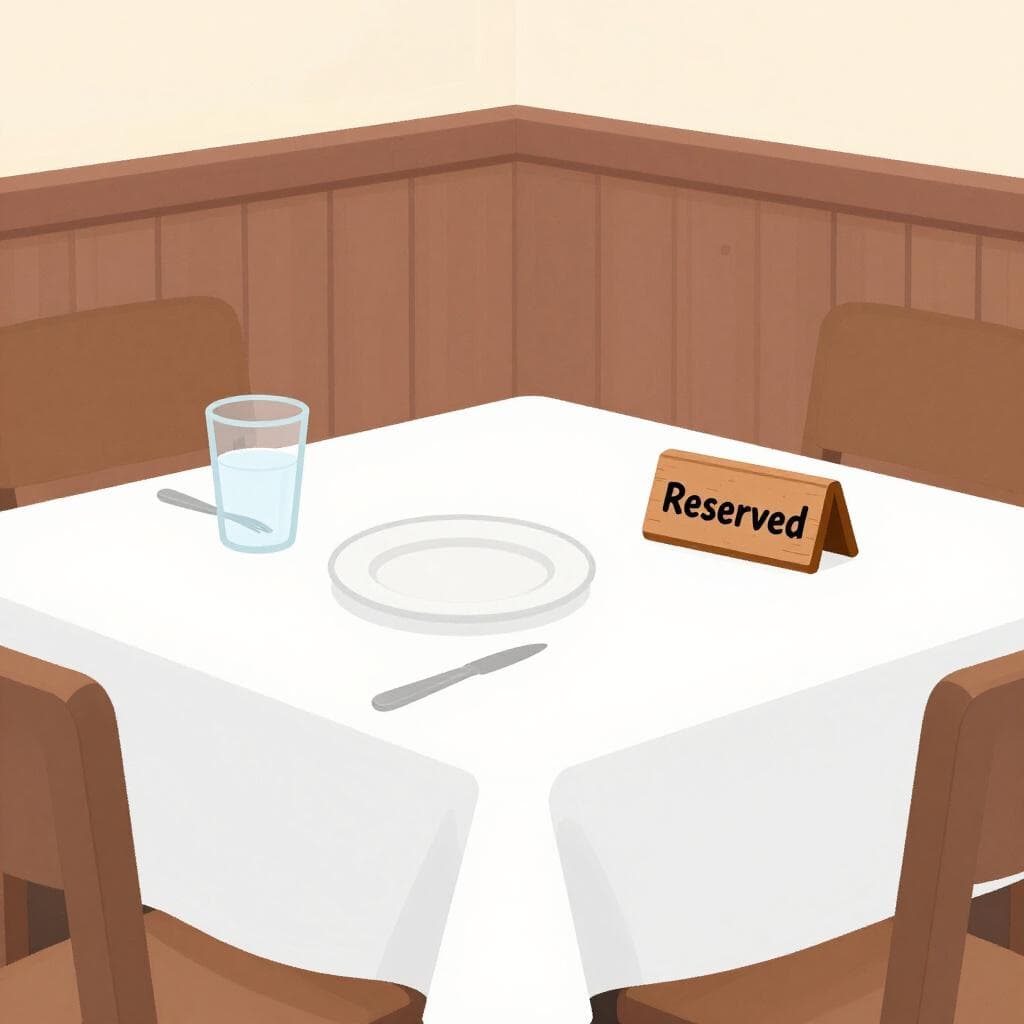
to book, to reserve
Also: to make a reservation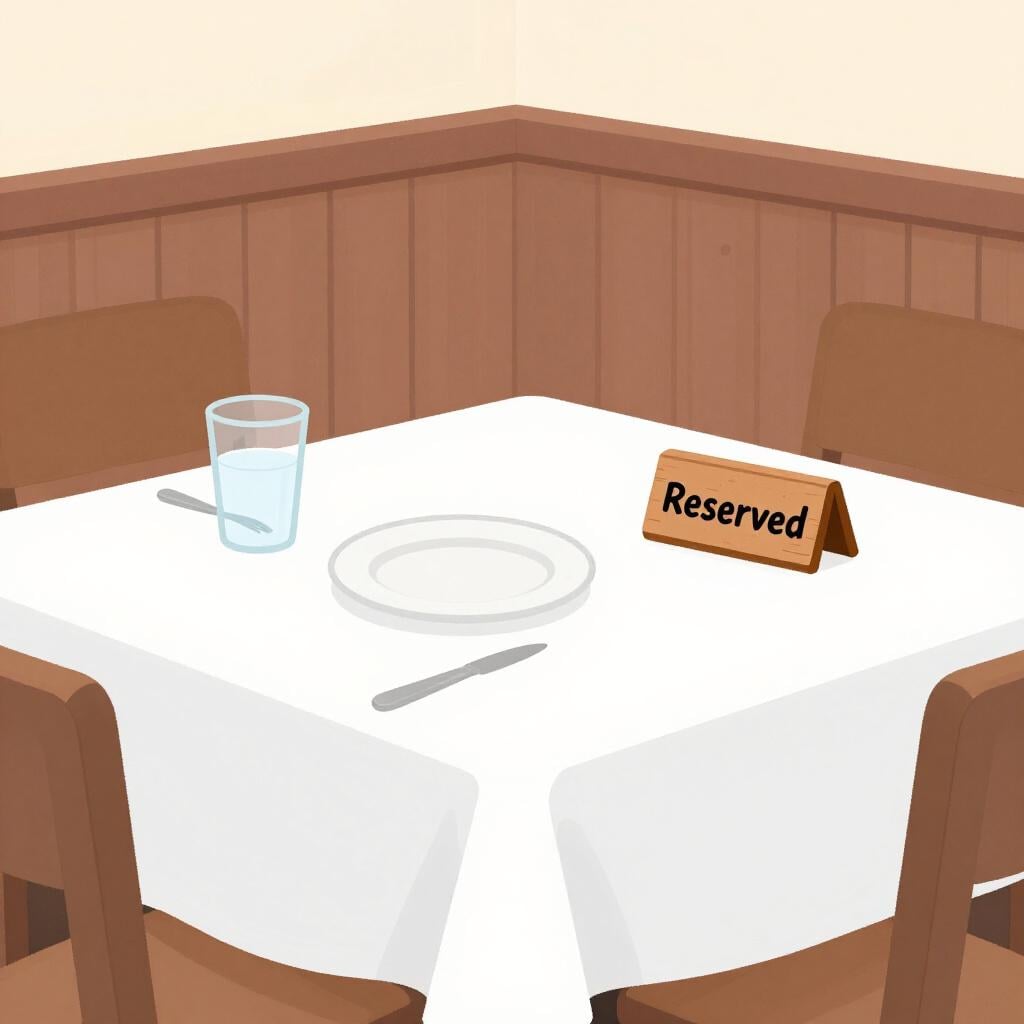
📝 In Action
Quiero reservar una mesa para dos personas.
A1I want to book a table for two people.
¿Has reservado ya la habitación de hotel?
A2Have you booked the hotel room yet?
Es mejor reservar con antelación durante el verano.
B1It is better to book in advance during the summer.
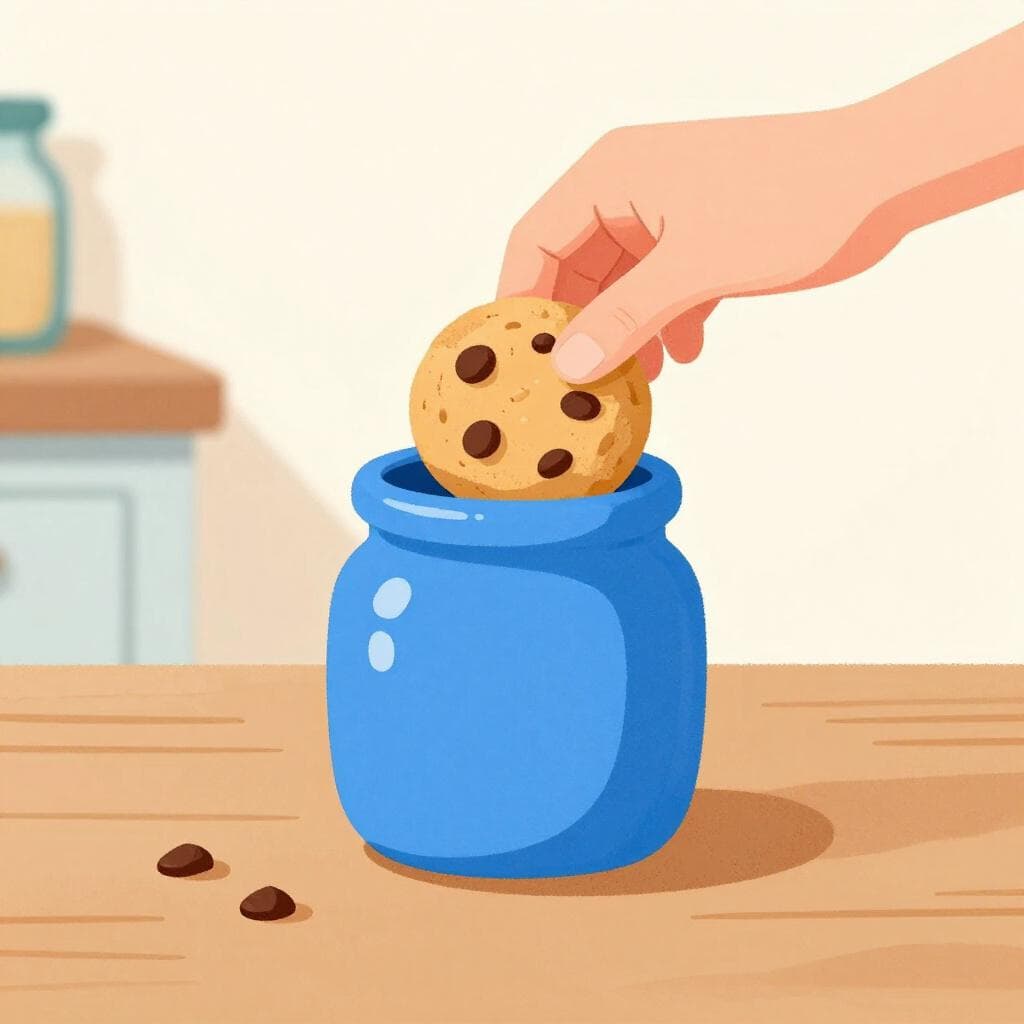
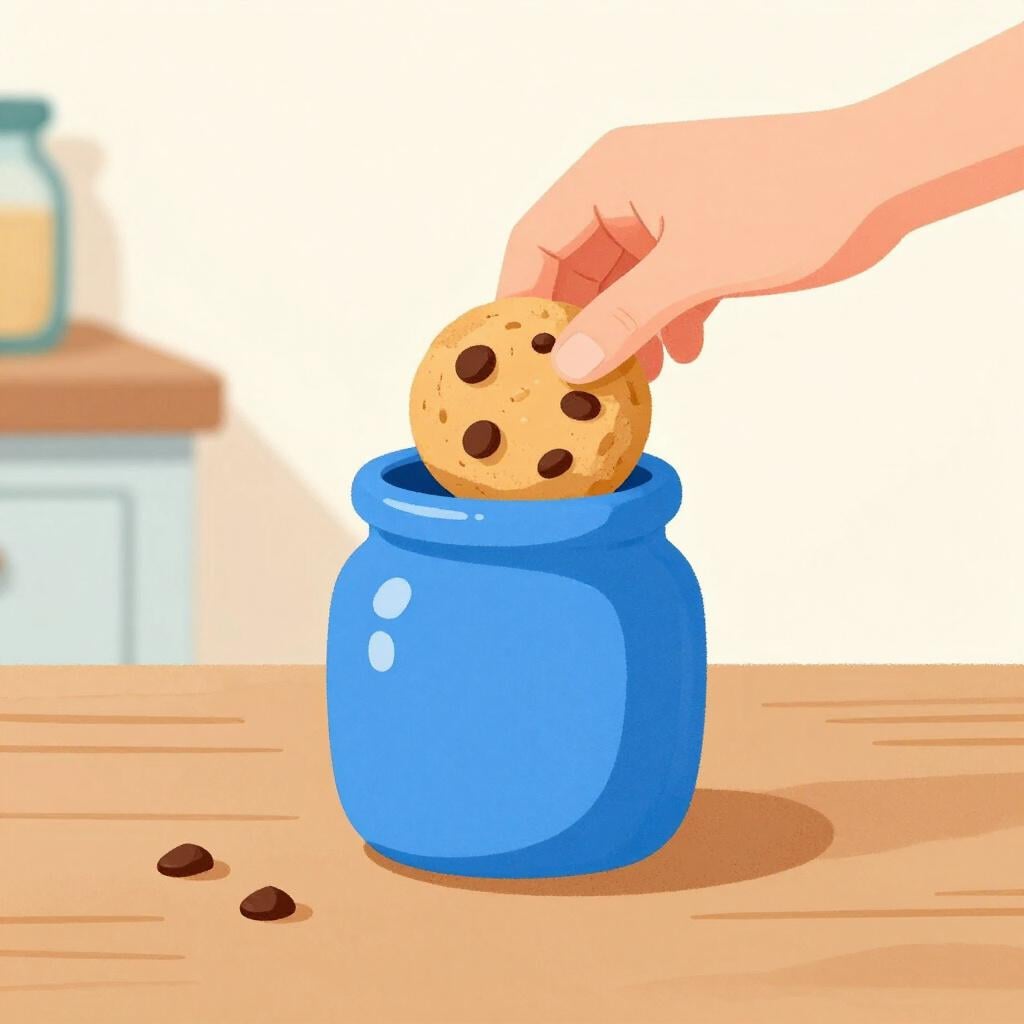
to save, to set aside
📝 In Action
Te reservé un poco de pastel en la cocina.
B1I saved you a bit of cake in the kitchen.
Por favor, resérvame un asiento en la primera fila.
A2Please, save me a seat in the first row.
Subjunctive
Imperfect Subjunctive
Present Subjunctive
Indicative
Preterite
Imperfect
Present
Translate to Spanish
✏️ Quick Practice
Quick Quiz: reservar
Question 1 of 3
How do you say 'I booked a room'?
📚 More Resources
👥 Word Family▼
📚 Etymology▼
From the Latin word 'reservare,' which means to keep back or save up for future use.
First recorded: 13th century
Cognates (Related words)
💡 Master Spanish
Take your Spanish to the next level. Read 200+ illustrated and narrated Spanish stories tailored to your level with the Inklingo app!
Frequently Asked Questions
Should I use 'reserva' or 'reservación'?
Both are correct! 'Reserva' is more common in Spain, while 'reservación' is very popular across many Latin American countries.
Can I use 'reservar' for saving money?
It is better to use 'ahorrar' for saving money in a bank, but you can use 'reservar' if you are setting aside a specific portion of money for a particular bill or purchase.
How do I ask to book a table for 8:00 PM?
You can say: 'Quisiera reservar una mesa para las ocho'.