How to Say "to reserve" in Spanish
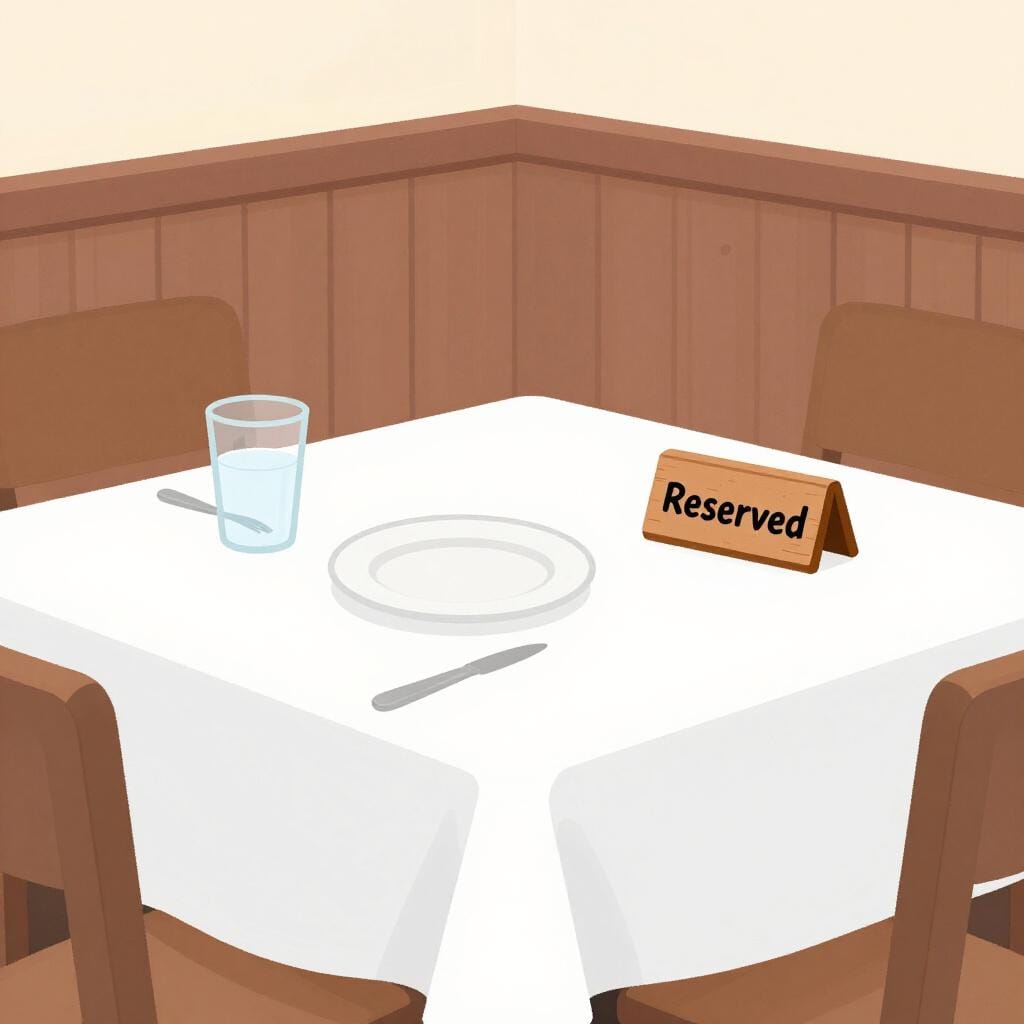
The most common Spanish word for “to reserve” is “reservar” — use 'reservar' when you are booking a place, service, or item in advance, such as a hotel room, a table at a restaurant, or a ticket.
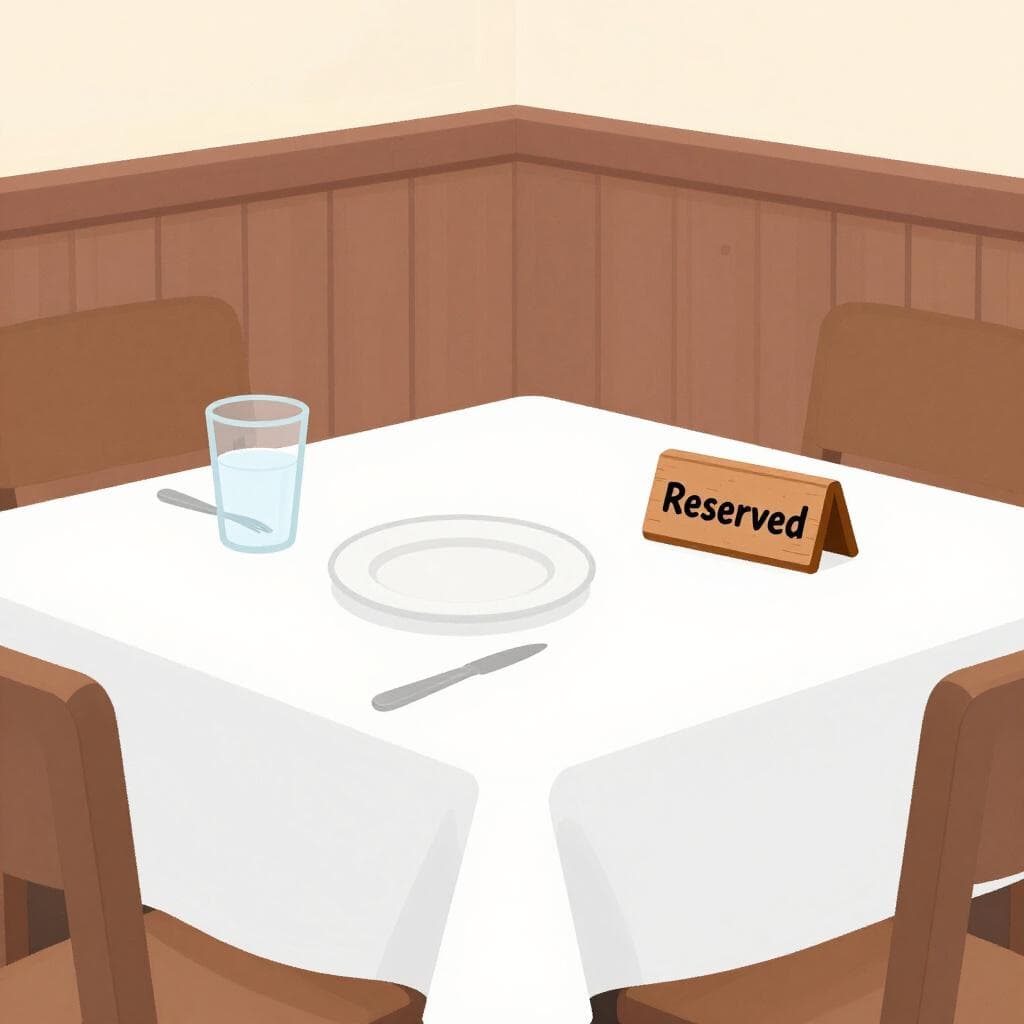
Use 'reservar' when you are booking a place, service, or item in advance, such as a hotel room, a table at a restaurant, or a ticket.
Learn more →
Use 'separar' when you are setting something aside, keeping it for yourself or someone else, or putting it away from other things.
Learn more →rreh-sehr-BAHRre.ser.ˈβar
Examples
Quiero reservar una mesa para dos personas.
I want to book a table for two people.
¿Has reservado ya la habitación de hotel?
Have you booked the hotel room yet?
Es mejor reservar con antelación durante el verano.
It is better to book in advance during the summer.
Using 'para'
When booking for a certain number of people, use 'para': 'reservar para tres' (to book for three).
A Regular Pattern
This verb follows the standard -AR pattern, so if you know 'hablar', you already know how to conjugate this!
Don't use 'salvar'
Mistake: “Voy a salvar una mesa.”
Correction: Voy a reservar una mesa. 'Salvar' means to save someone from danger (like a superhero), not to book a table.
seh-pah-RAHRsepaˈɾaɾ

Examples
He separado cien euros para el regalo de mi madre.
I've set aside one hundred euros for my mother's gift.
El camarero nos separó una mesa junto a la ventana.
The waiter reserved a table for us by the window.
Reservar vs. Separar
Learners often confuse 'reservar' and 'separar'. Remember that 'reservar' is for booking services or spaces, like a hotel room. 'Separar' is for physically setting something aside, like money or an item you want to keep.
Related Translations
Learn Spanish with Inklingo
Interactive stories, personalized learning, and more.