Directions & Navigation in Spanish
Getting around in a new place is so much easier when you know the right words! This set of vocabulary covers everything you need for directions and navigation, from asking for the way to understanding maps. It's super practical for travelers and anyone exploring Spanish-speaking cities. You'll find it's pretty straightforward, similar to English in many ways, but pay attention to how Spanish uses prepositions and gender agreement with places.
Quick Reference
| Spanish | English | Example | Level |
|---|---|---|---|
avenida | avenue | La Avenida de los Campos Elíseos es muy famosa. | A1 |
camino | road | El camino a la playa es muy bonito. | A1 |
cruce | intersection | El cruce de la calle principal siempre está congestionado. | A1 |
cruzar | to cross | Tienes que cruzar la calle para llegar a la tienda. | A1 |
dirección | address | ¿Cuál es tu dirección? | A1 |
esquina | corner | La farmacia está en la esquina de la calle principal. | A1 |
izquierdo | left | Mi coche está en el carril izquierdo. | A1 |
localización | location | Envíame tu localización por WhatsApp. | A2 |
mapa | map | Necesitamos un mapa para encontrar el camino al pueblo. | A1 |
navegación | browsing | La navegación por este sitio web es muy intuitiva. | A2 |
navegar | to sail | Me encanta navegar por el mar Caribe. | A2 |
norte | north | La brújula siempre apunta al norte. | A1 |
A1 — Beginner (13 words)

avenue
“La Avenida de los Campos Elíseos es muy famosa.”

road
“El camino a la playa es muy bonito.”
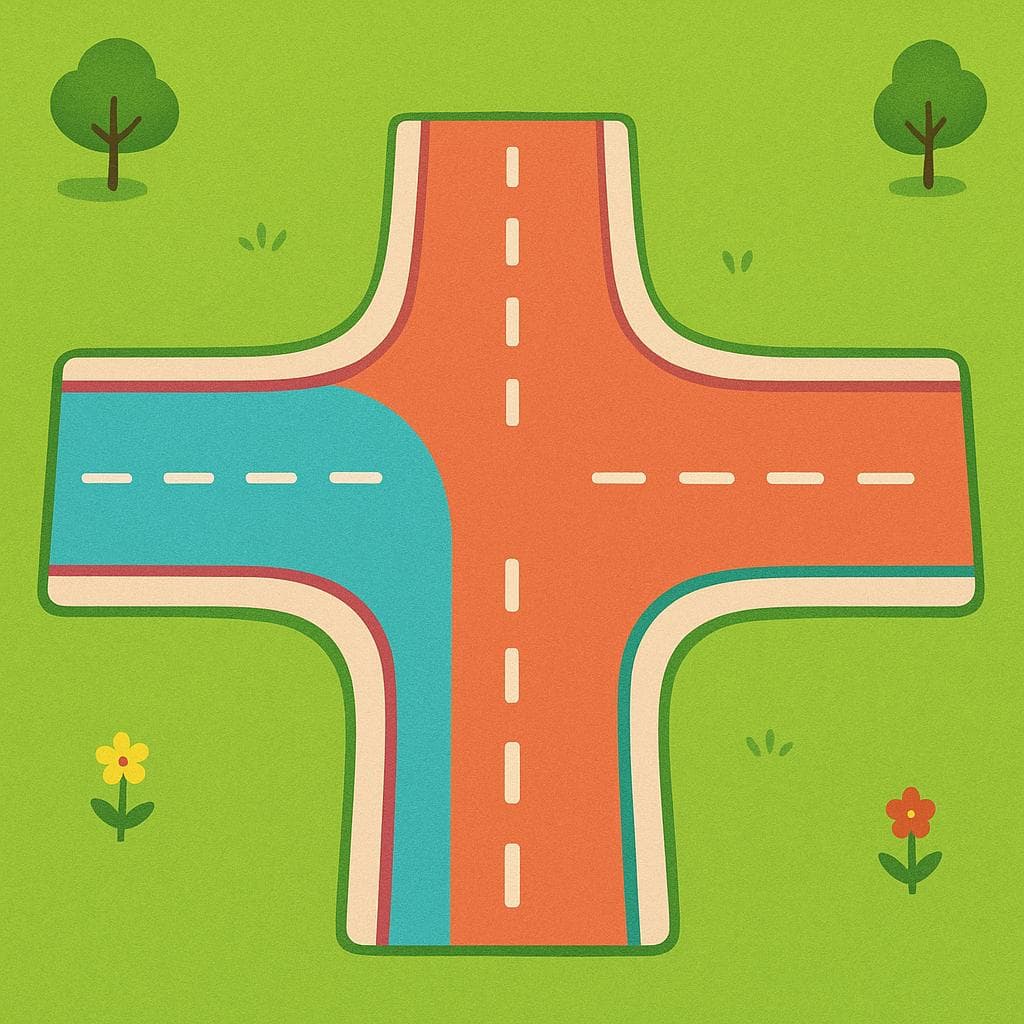
intersection
“El cruce de la calle principal siempre está congestionado.”
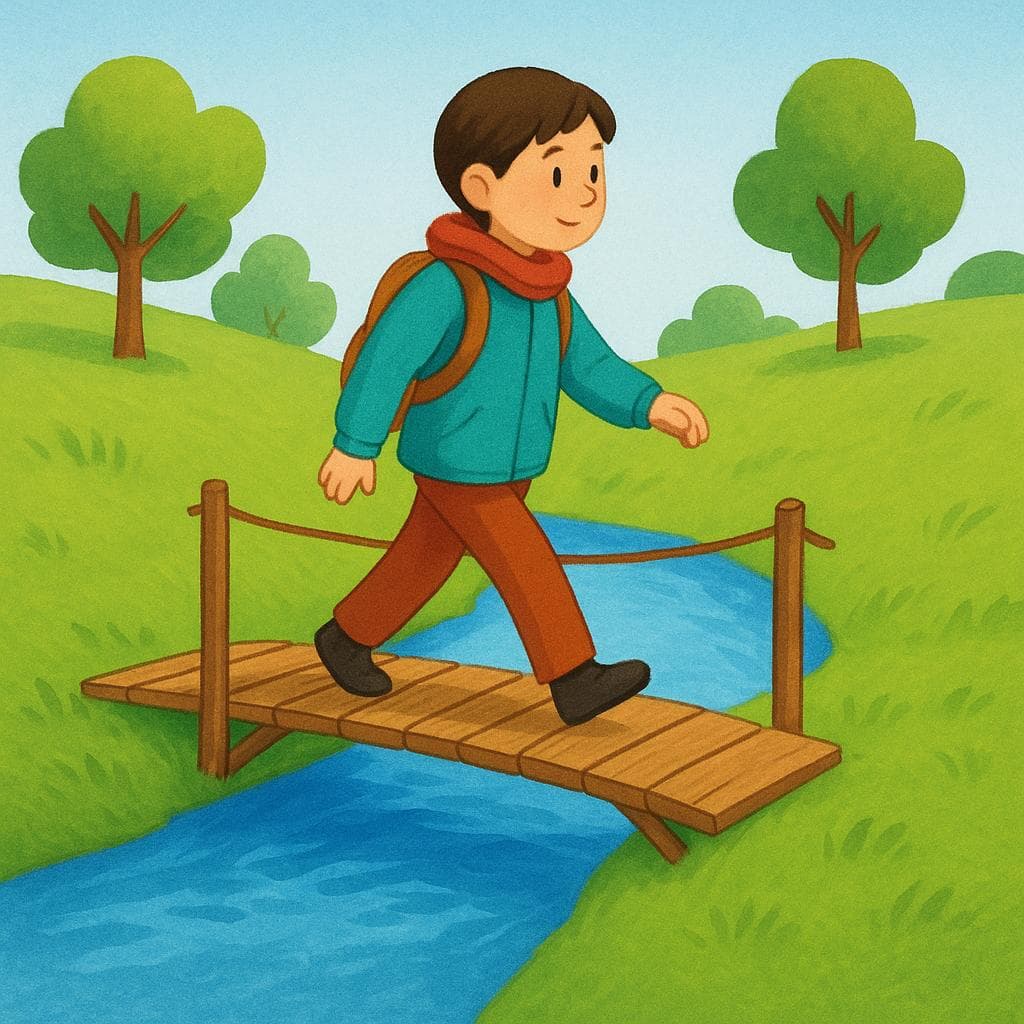
to cross
“Tienes que cruzar la calle para llegar a la tienda.”

address
“¿Cuál es tu dirección?”
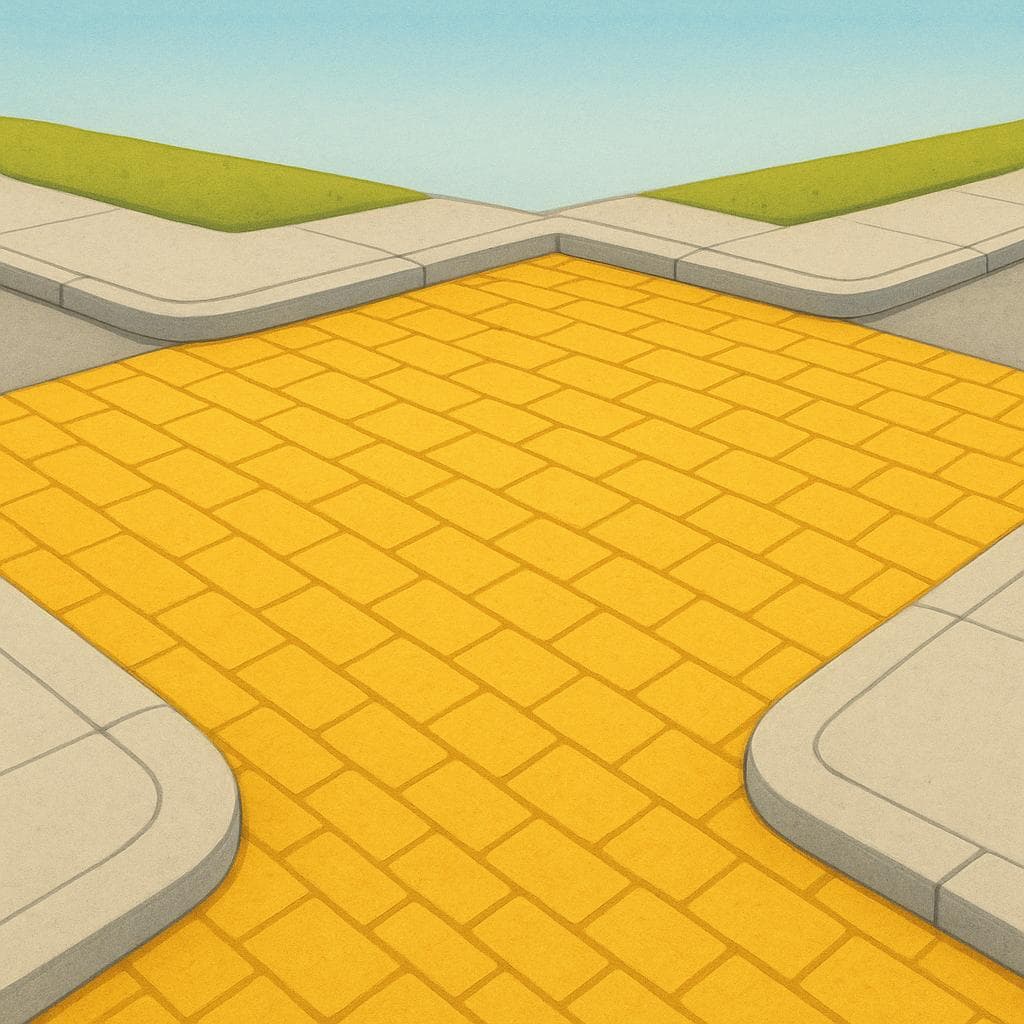
corner
“La farmacia está en la esquina de la calle principal.”

left
“Mi coche está en el carril izquierdo.”
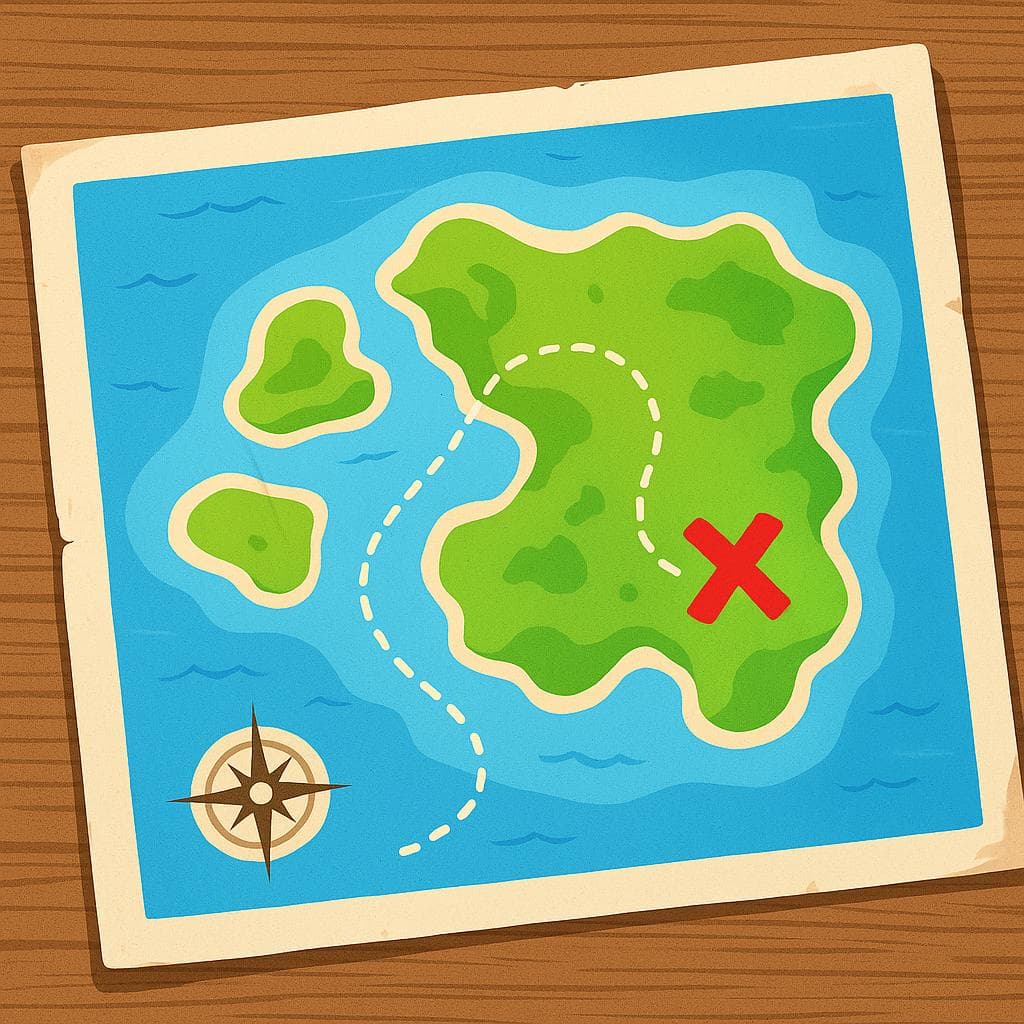
map
“Necesitamos un mapa para encontrar el camino al pueblo.”
north
“La brújula siempre apunta al norte.”

west
“El sol se pone por el oeste.”

route
“Perdimos la ruta y tuvimos que usar el GPS.”

south
“Para llegar a la playa, tienes que conducir hacia el sur.”

where to
“¿Adónde vas?”
A2 — Elementary (9 words)

location
“Envíame tu localización por WhatsApp.”

browsing
“La navegación por este sitio web es muy intuitiva.”

to sail
“Me encanta navegar por el mar Caribe.”

to travel through
“Queremos recorrer toda Europa este verano.”
route
“¿Cuál es el recorrido de la maratón?”

course
“El capitán ajustó el timón y puso rumbo al sur.”

northeast
“El barco navega hacia el noreste.”
compass
“Necesitamos una brújula para caminar por la montaña.”

northwest
“Galicia está situada en el noroeste de España.”
B1 — Intermediate (2 words)

coordinates
“El avión envió sus coordenadas antes de aterrizar.”

journey
“El trayecto en autobús dura treinta minutos.”
Grammar Tips
Left vs. Right: Gender Matters
The words for 'left' and 'right' change based on the noun they describe. 'Izquierda' (left) and 'derecha' (right) are feminine, so they often pair with feminine nouns like 'la calle' (the street) or 'la esquina' (the corner). For example, 'la calle de la izquierda' (the street on the left).
Asking 'Where To?'
Spanish uses 'a dónde' (to where) when asking about a destination, implying movement. This is different from 'dónde' (where), which refers to a static location. So, you'd ask '¿A dónde vamos?' (Where are we going?) but say '¿Dónde está la estación?' (Where is the station?).
Prepositions for Location
Be mindful of prepositions like 'en' (in/on/at) and 'por' (by/through/along) when giving or asking for directions. 'Está en la esquina' (It's on the corner) uses 'en', while 'Sigue por esta calle' (Continue along this street) uses 'por' to indicate movement along a path.
Common Mistakes
Wrong preposition for location
Mistake: “Mi casa está a la calle.”
Correction: Mi casa está en la calle. — Use 'en' (in/on) for static locations like streets, not 'a' (to), which implies movement towards something.
Confusing 'where' and 'where to'
Mistake: “¿Dónde está el hotel?”
Correction: ¿Adónde va el hotel? or ¿Cómo llego al hotel? — If you are asking for directions *to* the hotel (implying movement), you need 'adónde' or a phrase like 'how do I get to'. '¿Dónde está el hotel?' is correct for asking its current location.
Incorrect word order for directions
Mistake: “Gira izquierda en la esquina.”
Correction: Gira a la izquierda en la esquina. — When giving a command like 'turn left', you need the preposition 'a' and the definite article 'la' before 'izquierda'.
Cultural Notes
Street Names & Numbers
In many Spanish-speaking countries, street names often refer to historical figures, significant dates, or concepts (e.g., Calle Libertad, Avenida de Mayo, Plaza de la Constitución). While numbers are used, they might not always be sequential or intuitive as in some other systems. It's common to find addresses like 'Calle 5 entre 10 y 12'.
Asking for Directions
It's very common and polite in Spanish-speaking cultures to ask for directions, even if you have a GPS. People are generally happy to help. A simple 'Disculpe, ¿me podría indicar cómo llegar a...?' (Excuse me, could you tell me how to get to...?) works wonders.