Spanish Questions: Essential Words for Asking
Asking questions is fundamental to learning a new language, and Spanish is no exception! This set of words will help you get the information you need, from 'who' to 'where to'. You'll find that many question words in Spanish require an accent mark, which is a key difference from English.
Quick Reference
| Spanish | English | Example | Level |
|---|---|---|---|
cuál | which | ¿Cuál es tu número de teléfono? | A1 |
cuándo | when | ¿Cuándo es tu cumpleaños? | A1 |
cuánta | how much | ¿Cuánta leche necesitamos para el pastel? | A1 |
pregunta | question | Tengo una pregunta para la profesora. | A1 |
preguntar | to ask | Necesito preguntar algo al profesor sobre la tarea. | A1 |
qué | what | ¿Qué es eso? | A1 |
quién | who | ¿Quién es esa persona? | A1 |
adónde | where to | ¿Adónde vas? | A1 |
interrogante | question | El motivo del crimen sigue siendo un gran interrogante para la policía. | B1 |
interrogar | to interrogate | La policía decidió interrogar al sospechoso durante tres horas. | B1 |
interrogatorio | interrogation | El detective inició el interrogatorio del único testigo. | B2 |
A1 — Beginner (8 words)

which
“¿Cuál es tu número de teléfono?”
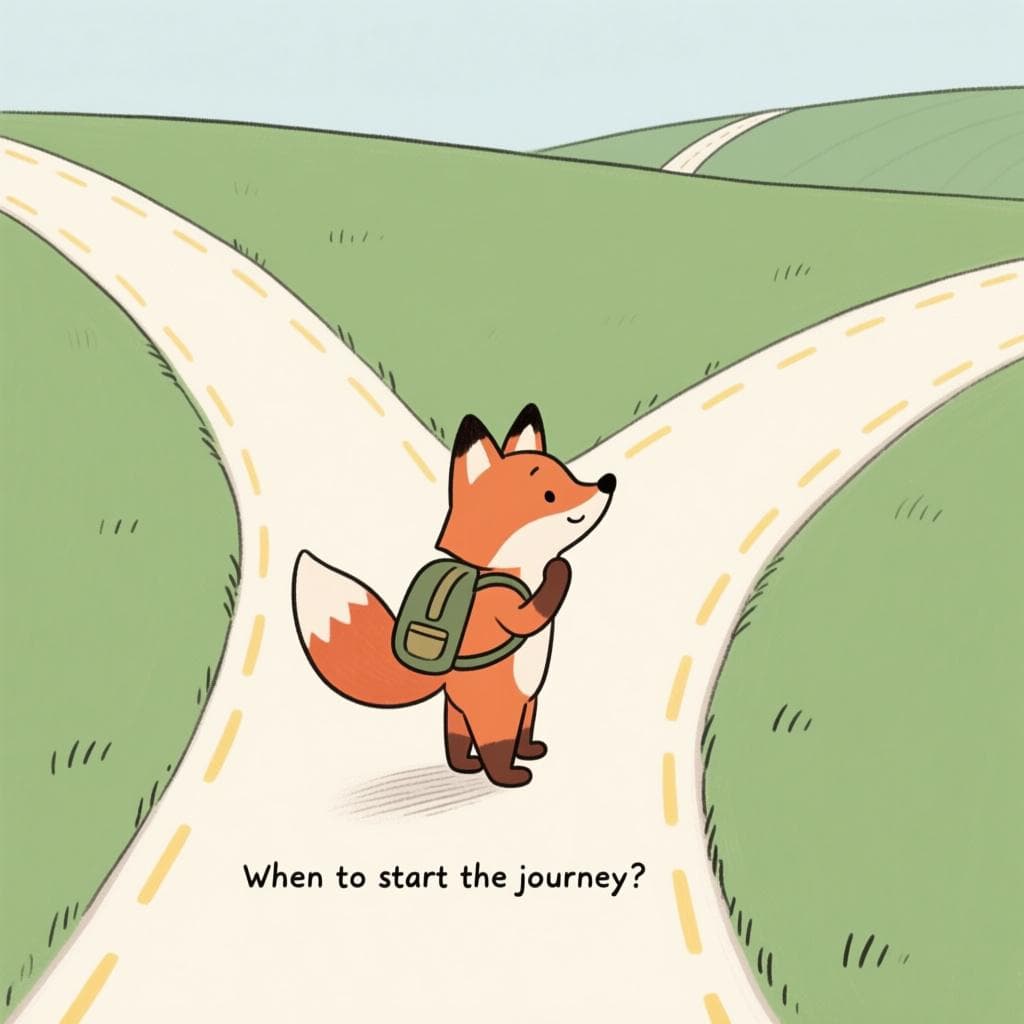
when
“¿Cuándo es tu cumpleaños?”
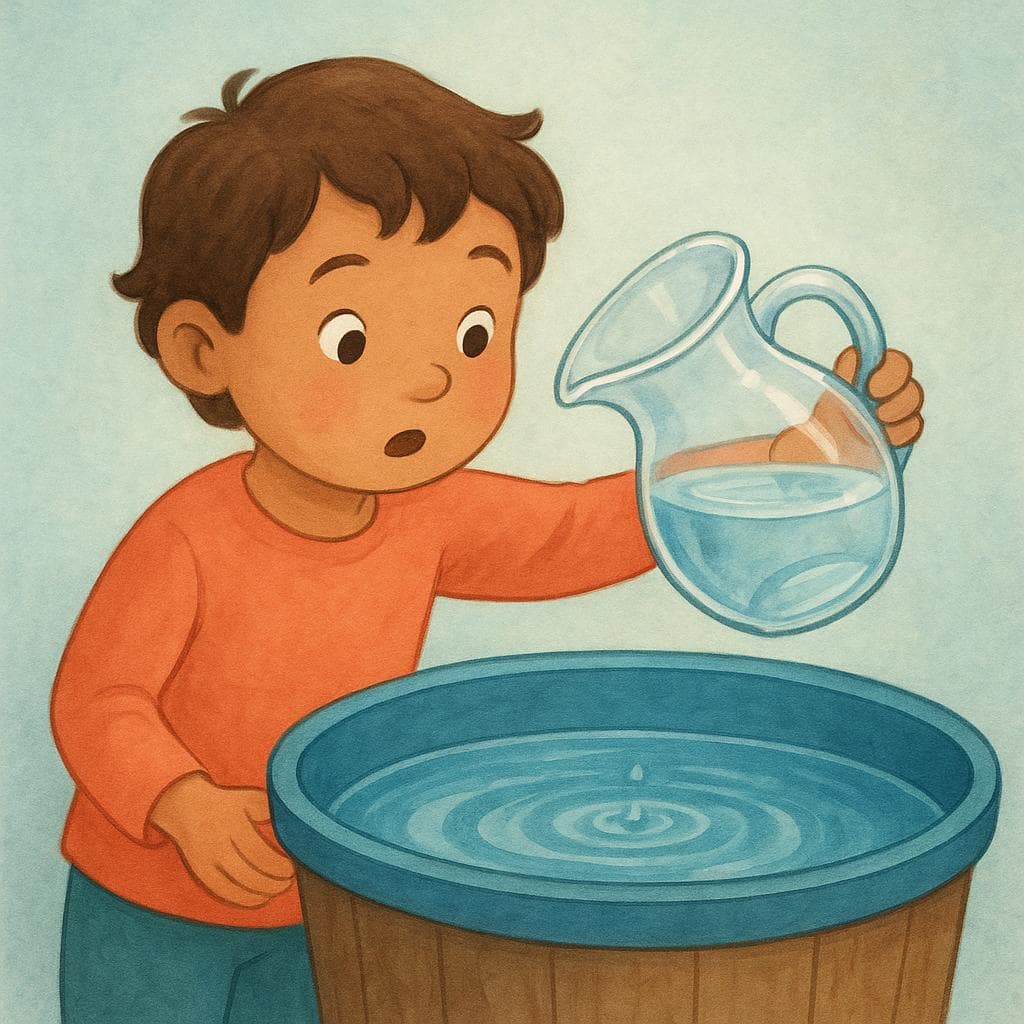
how much
“¿Cuánta leche necesitamos para el pastel?”
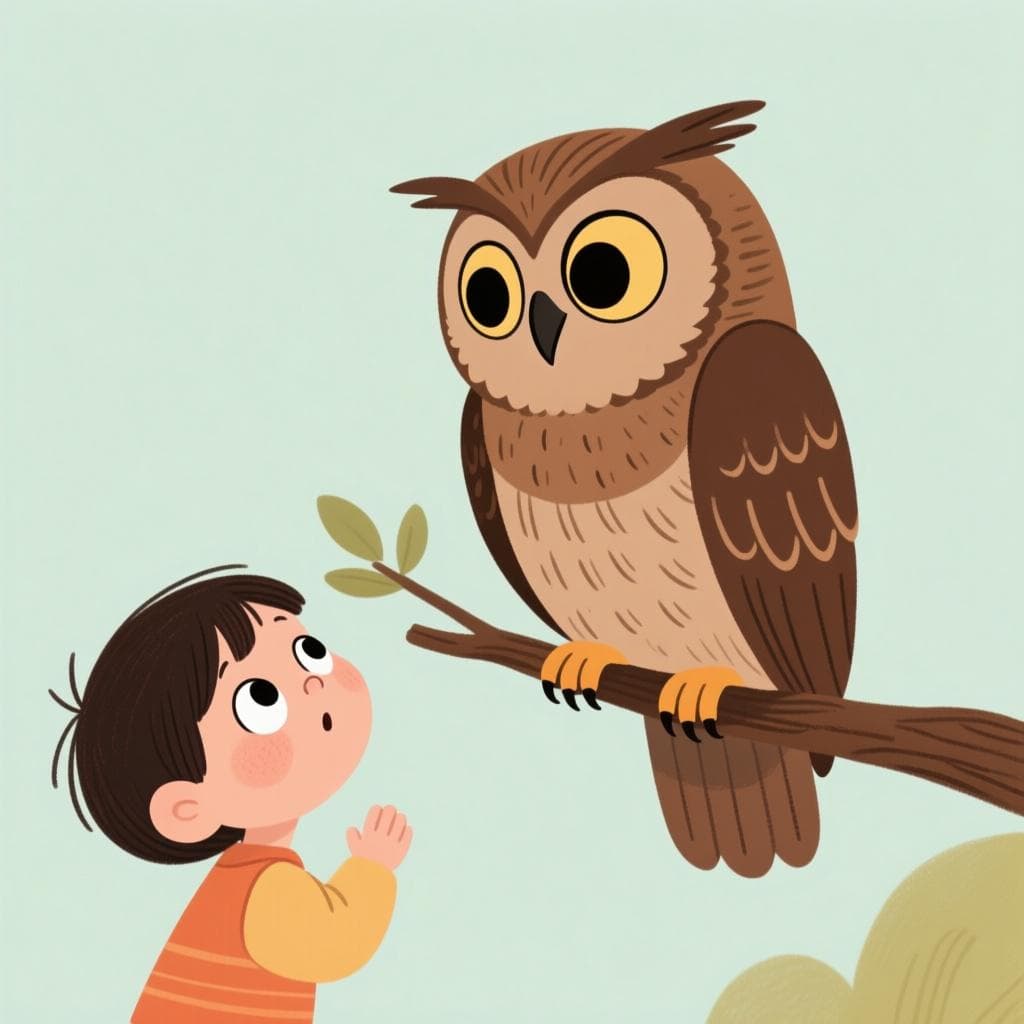
question
“Tengo una pregunta para la profesora.”

to ask
“Necesito preguntar algo al profesor sobre la tarea.”

what
“¿Qué es eso?”

who
“¿Quién es esa persona?”

where to
“¿Adónde vas?”
B1 — Intermediate (2 words)

question
“El motivo del crimen sigue siendo un gran interrogante para la policía.”

to interrogate
“La policía decidió interrogar al sospechoso durante tres horas.”
B2 — Upper Intermediate (1 words)

interrogation
“El detective inició el interrogatorio del único testigo.”
Grammar Tips
Accents are Key!
Most Spanish question words (interrogatives) use an accent mark to distinguish them from regular conjunctions or adverbs. For example, 'cuando' (when) becomes 'cuándo' when asking a question. Always double-check for these crucial accents!
Gender and Number Agreement
Words like 'cuánto' (how much/many) and 'cuál' (which) change form to agree in gender and number with the noun they refer to. So, 'cuánto' (masculine singular), 'cuánta' (feminine singular), 'cuántos' (masculine plural), and 'cuántas' (feminine plural) are all variations of the same question.
Question Word Order
In Spanish, question words usually come at the beginning of the sentence, followed by the verb, and then the subject. For example, '¿Quién es tu amigo?' (Who is your friend?). This is similar to English, but the accent is vital.
Common Mistakes
Missing Accent
Mistake: “¿Cuando vienes a la fiesta?”
Correction: ¿Cuándo vienes a la fiesta? - The word for 'when' needs an accent mark when used in a question to differentiate it from the conjunction 'cuando' (when/as).
Incorrect Agreement
Mistake: “¿Cuántos dinero tienes?”
Correction: ¿Cuánto dinero tienes? - 'Dinero' (money) is a singular, masculine noun, so you must use the singular masculine form 'cuánto', not the plural 'cuántos'.
Missing Opening Question Mark
Mistake: “Donde esta el baño?”
Correction: ¿Dónde está el baño? - Spanish requires an inverted question mark (¿) at the beginning of all questions.
Cultural Notes
Directness and Politeness
While Spanish speakers can be direct, politeness is still important. Using 'por favor' (please) and 'gracias' (thank you) is always a good idea when asking for information, especially from strangers. The tone of voice and context also play a big role in how questions are perceived.
Question Marks Galore
Spanish uses both an opening (¿) and closing (?) question mark. The opening mark is placed at the beginning of the question, regardless of its length. This helps readers immediately identify a question, even before they start reading the words.