hace
“hace” の意味は “作る” スペイン語で. 文脈に応じて3つの異なる意味があります:

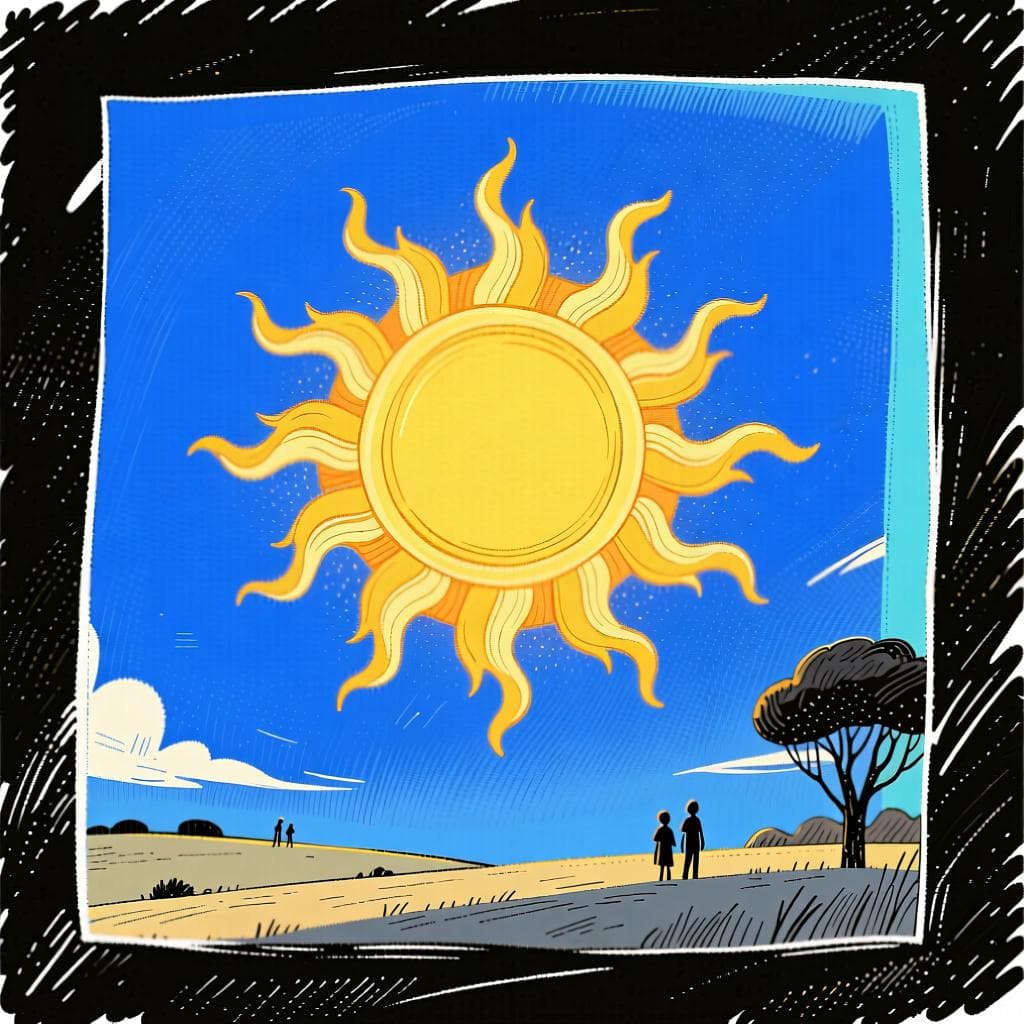

作る他にも: する, 彼/彼女はする/作る

📝 使用例
Mi hermana hace un pastel delicioso.
A1私の姉は美味しいケーキを作ります。
Él hace ejercicio todas las mañanas.
A1彼は毎朝運動をします。
La empresa hace buenos productos.
A2その会社は良い製品を作っています。
関連語
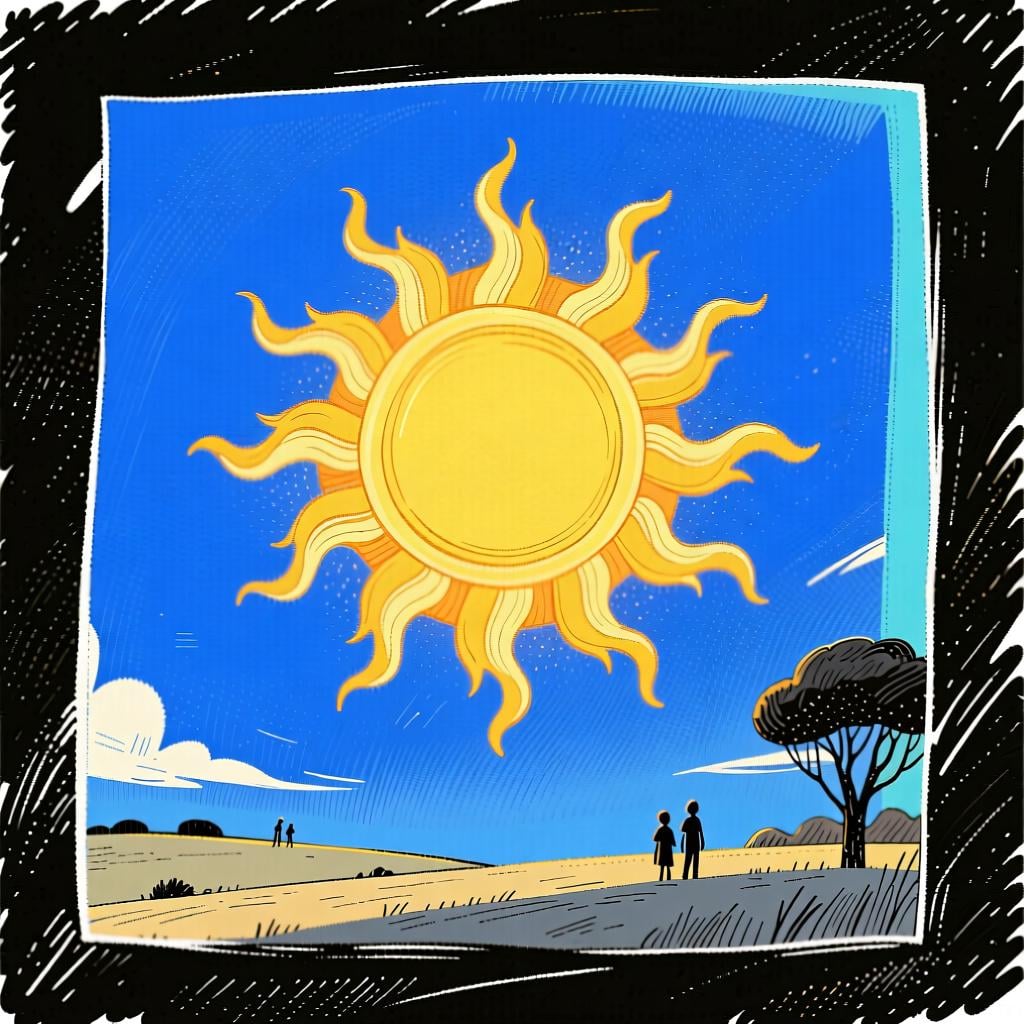
📝 使用例
Hoy hace mucho calor.
A1今日はとても暑いです。
En invierno, hace frío y viento.
A1冬は寒くて風が強いです。
¡Qué buen día hace!
A2なんて良い天気でしょう!
関連語

📝 使用例
Terminé el libro hace dos días.
A2私は2日前にその本を読み終えました。
Compramos esta casa hace diez años.
A2私たちは10年前にこの家を買いました。
Hace mucho tiempo que no la veo.
B1私は長い間彼女に会っていません。
関連語
Indicative
Present
Imperfect
Preterite
Subjunctive
Present Subjunctive
Imperfect Subjunctive
🔀 Commonly Confused With
スペイン語に翻訳
✏️ クイック練習
クイッククイズ: hace
3問中1問目
天気の話題について話すとき、「hace」を正しく使っている文はどれですか?
📚 その他のリソース
👥 語族
🎵 韻
📚 語源
ラテン語の動詞「facere」(「する」「作る」を意味する)に由来します。英語の「factory」(物を作る場所)や「fact」(行われたこと、事実)など、多くの英単語もこの語根から来ています。
初出:10th century
同源語(関連語)
💡 スペイン語をマスター
スペイン語をレベルアップしましょう。Inklingoアプリで、あなたのレベルに合った200以上のイラスト付きスペイン語ストーリーを読もう!
よくある質問
なぜ「hace」はこれほど多くの異なる意味を持つのでしょうか?
英語の動詞「to get」が、周りの単語によって多くの意味を持つように考えてみてください。「hacer」もスペイン語では同様です。これは強力な「スーパー動詞」であり、その基本的な「する/作る」という意味が、天気や時間を表す特別な役割のために適応しているのです。
天気には常に「hace」を使うのですか?「está」はどうですか?
暑さ、寒さ、日差し、風などの一般的な気象状況には通常「hace」を使います。「está」は一時的な状態を説明するとき、特に-ando/-iendoで終わる単語と使われます。例えば、「Está lloviendo」(雨が降っている)や「Está nublado」(曇っている)です。
「hace un año」と「hace un año que」の違いは何ですか?
「Hace un año」単独では通常「1年前」を意味します。「que」を付け加えると、継続期間について話すために別の動詞と結びつきます。「Viajé a México hace un año」(私は1年前にメキシコへ旅行した)。「Hace un año que vivo en México」(私は1年間メキシコに住んでいる)。