hacerse
“hacerse” の意味は “~になる” スペイン語で. 文脈に応じて3つの異なる意味があります:
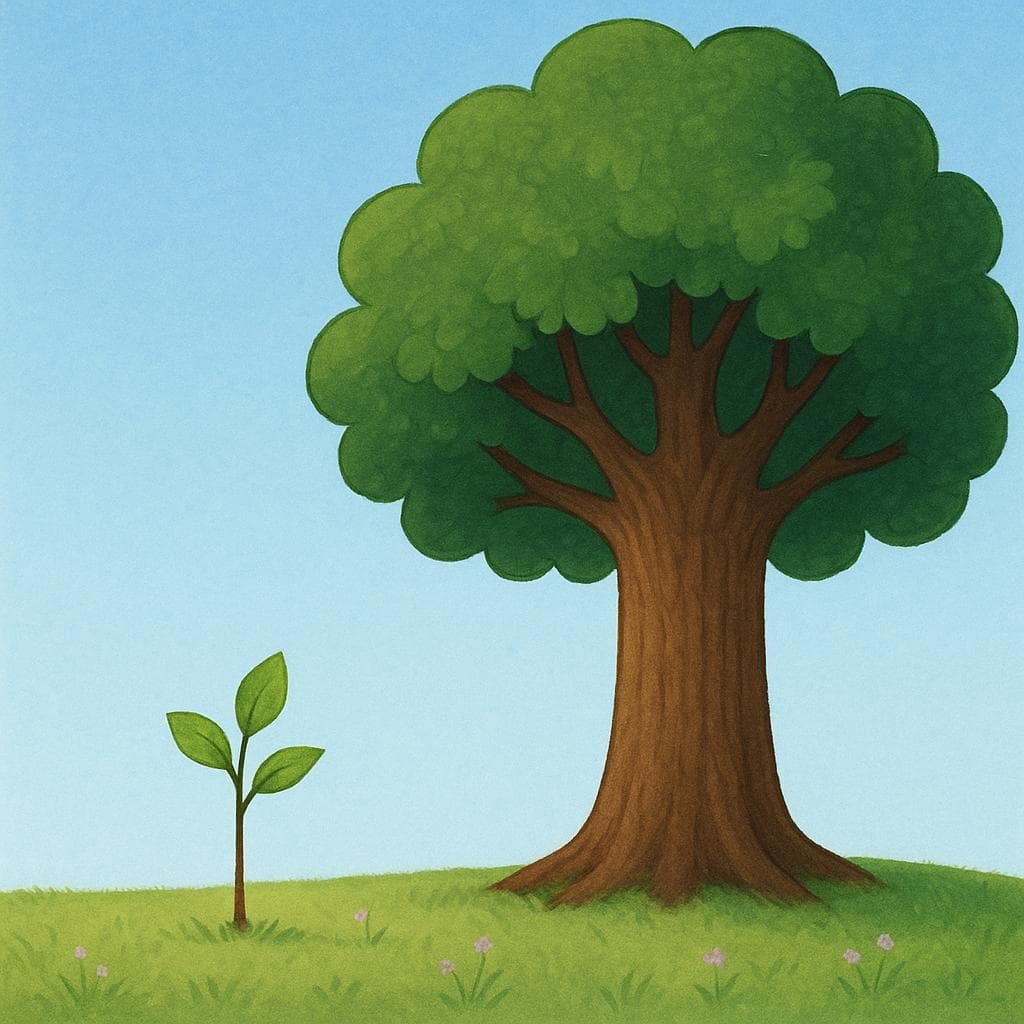


~になる, ~へと変わる他にも: 自らを~にする
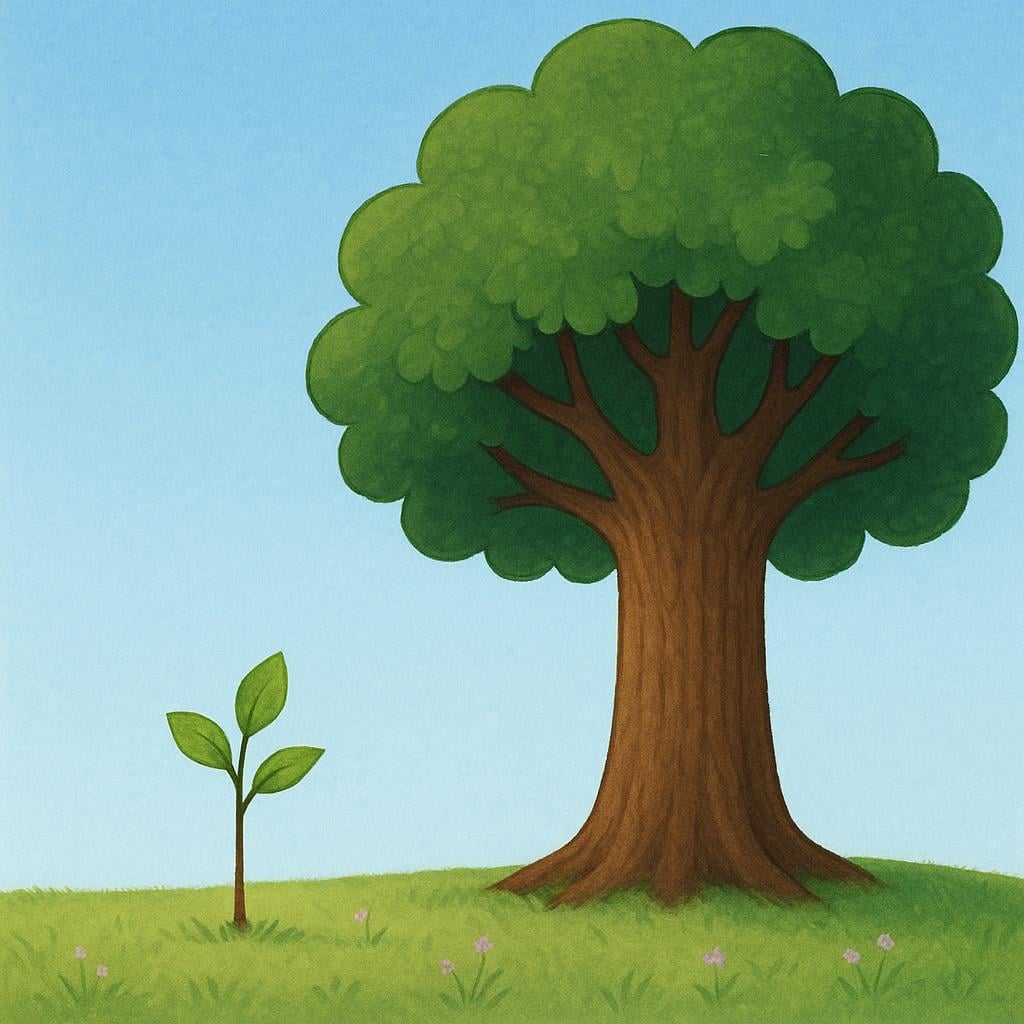
📝 使用例
Mi hermano se hizo arquitecto después de muchos años de estudio.
A2私の兄は何年も勉強した後、建築家になった。
Ella se hizo vegetariana por razones de salud.
B1彼女は健康上の理由で菜食主義者になった。
Queremos hacernos amigos de los vecinos nuevos.
A2私たちは新しい隣人と友達になりたい。
~になる, ~になる他にも: ~になる

📝 使用例
¡Vámonos, se está haciendo tarde!
A2行こう、遅くなってきたぞ!
Cuando me hice mayor, entendí a mis padres.
B1年を取ると、両親の気持ちが分かった。
Se hizo de noche rápidamente después de la tormenta.
A2嵐の後、すぐに夜になった。
ふりをする, ~のふりをする他にも: 装う

📝 使用例
Cuando pregunté por la cena, él se hizo el tonto.
B2夕食のことを尋ねたとき、彼はとぼけたふりをした(馬鹿なふりをした)。
Para evitar el trabajo, se hizo el enfermo.
C1仕事をしたくなくて、病気のふりをした。
No te hagas el héroe, es peligroso.
B2ヒーローのふりをしないで、危険だよ。
Indicative
Present
Imperfect
Preterite
Subjunctive
Present Subjunctive
Imperfect Subjunctive
🔀 Commonly Confused With
スペイン語に翻訳
✏️ クイック練習
クイッククイズ: hacerse
2問中1問目
努力によって達成された過程を描写している「hacerse」を使っている文はどれですか?
📚 その他のリソース
📚 語源
ラテン語の動詞 *facere*(「する」「作る」の意)に由来します。再帰代名詞 *se* が付くと、動作が内側に向かい、「自らを~にする」すなわち「~になる」という意味になります。
初出:Old Spanish (derived from Latin roots present since antiquity)
同源語(関連語)
💡 スペイン語をマスター
スペイン語をレベルアップしましょう。Inklingoアプリで、あなたのレベルに合った200以上のイラスト付きスペイン語ストーリーを読もう!
よくある質問
「hacerse」と「ser」の違いは何ですか?
「Hacerse」は時間経過に伴う道のりや変化(「~になる過程」)を描写します:「Se hizo profesor」(彼は教師になった)。「Ser」は最終的で永続的な状態を表します:「Él es profesor」(彼は教師です)。
「hacerse」は「ponerse」とどう違いますか?
どちらも「~になる」を意味しますが、「ponerse」は一時的な感情的または肉体的な変化に使われます(例:「Se puso triste」- 彼は悲しくなった)。「Hacerse」は、アイデンティティ、職業、年齢など、永続的または長期的な変化に使われます。