asustes
“asustes” means “scare” in Spanish (when used to tell someone 'don't scare' or when expressing a wish).
scare, get scared
Also: frighten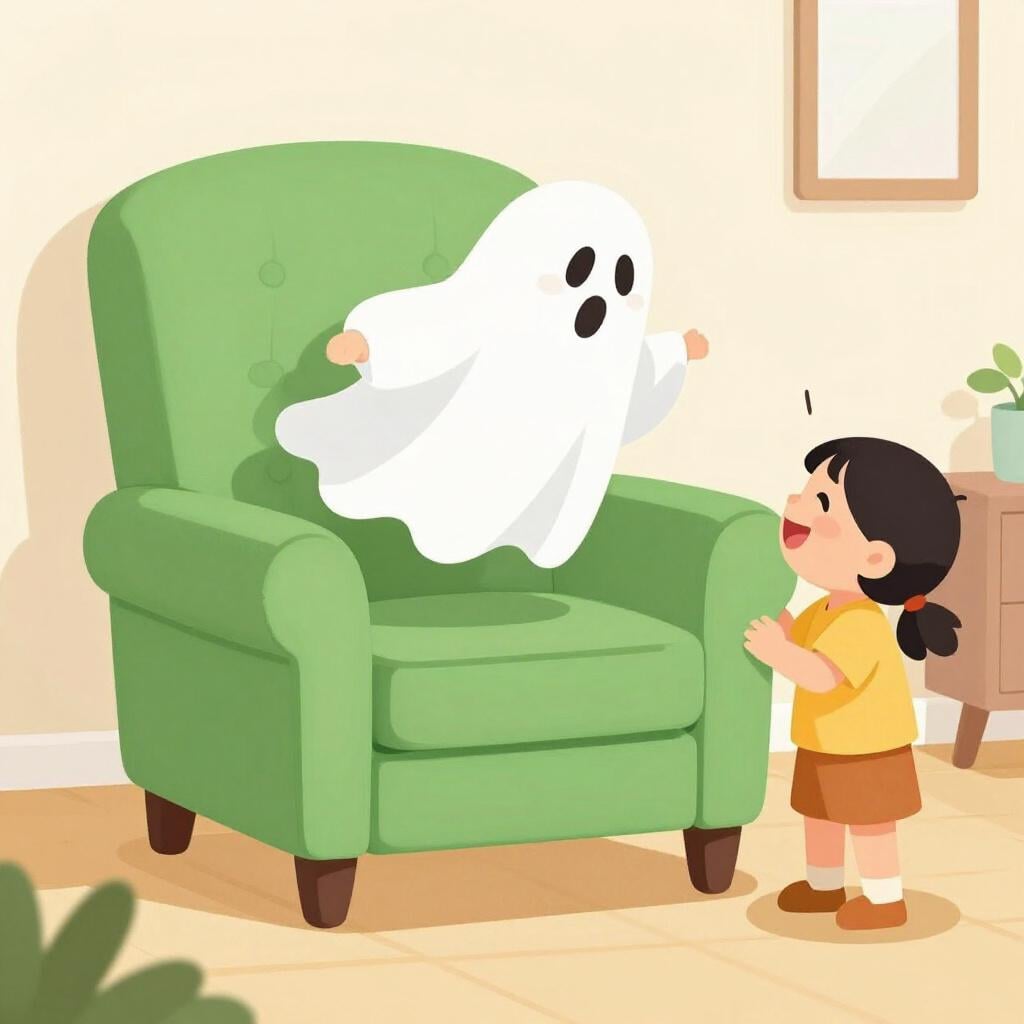
📝 In Action
No quiero que te asustes con la noticia.
A2I don't want you to get scared by the news.
No te asustes, soy solo yo.
A1Don't be scared, it's just me.
Espero que no asustes al gato con ese ruido.
B1I hope you don't scare the cat with that noise.
🔄 Conjugations
subjunctive
imperfect
present
indicative
preterite
imperfect
present
Translate to Spanish
✏️ Quick Practice
Quick Quiz: asustes
Question 1 of 1
How do you say 'Don't get scared' in Spanish?
📚 More Resources
👥 Word Family▼
📚 Etymology▼
From 'susto' (fright), which comes from the Latin word 'suscitare' meaning to awaken or stir up.
First recorded: 13th century
Cognates (Related words)
💡 Master Spanish
Take your Spanish to the next level. Read 200+ illustrated and narrated Spanish stories tailored to your level with the Inklingo app!
Frequently Asked Questions
Why is it 'asustes' and not 'asustas'?
Spanish uses the form ending in -es (subjunctive) for negative commands and for expressing wishes or fears. Use 'asustas' only when stating a fact, like 'You always scare me'.