buscó
“buscó” means “looked for” in Spanish. It has 2 different meanings depending on context:


looked for
Also: searched, sought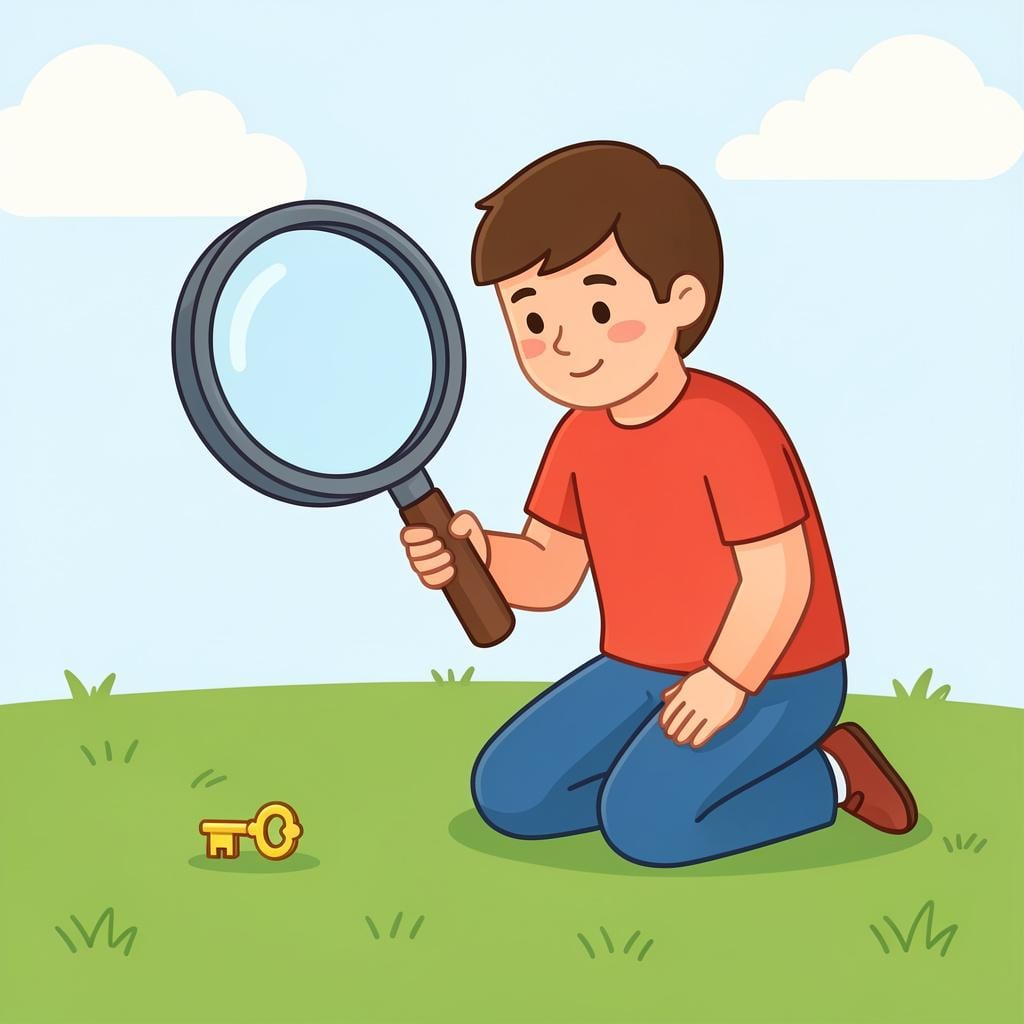
📝 In Action
Él buscó sus llaves por toda la casa.
A1He looked for his keys throughout the whole house.
Ella buscó una solución al problema.
B1She sought a solution to the problem.

🔄 Conjugations
subjunctive
imperfect
present
indicative
preterite
imperfect
present
Translate to Spanish
Words that translate to "buscó" in Spanish:
looked for→✏️ Quick Practice
Quick Quiz: buscó
Question 1 of 1
What is the difference between 'busco' and 'buscó'?
📚 More Resources
👥 Word Family▼
📚 Etymology▼
From the verb 'buscar', which likely comes from the Indo-European root meaning 'to twist' or 'to weave', eventually evolving into the sense of 'searching through bushes'.
First recorded: 13th century
Cognates (Related words)
💡 Master Spanish
Take your Spanish to the next level. Read 200+ illustrated and narrated Spanish stories tailored to your level with the Inklingo app!
Frequently Asked Questions
Does 'buscó' mean 'searched for' or 'found'?
It means 'searched for'. If you want to say someone actually 'found' something, you would use 'encontró'.
How do I pronounce the accent on the 'ó'?
You should put more emphasis and volume on the final 'o'. It sounds like 'boos-KOH'.